Ultimately, it's our decision and we have to make the right decision. We're the ones that are human in the actual role experiencing the things, and we're the ones that need to make that final call.
Ultimately, it's our decision and we have to make the right decision. We're the ones that are human in the actual role experiencing the things, and we're the ones that need to make that final call.
HR teams get the most out of AI when they stop asking it to approve their plans and start asking it to challenge them. A model that points out the gaps in a training session or a difficult conversation helps a leader prepare before the real thing. Using AI this way still calls for care with sensitive employee information, and many companies haven’t set rules for that yet.
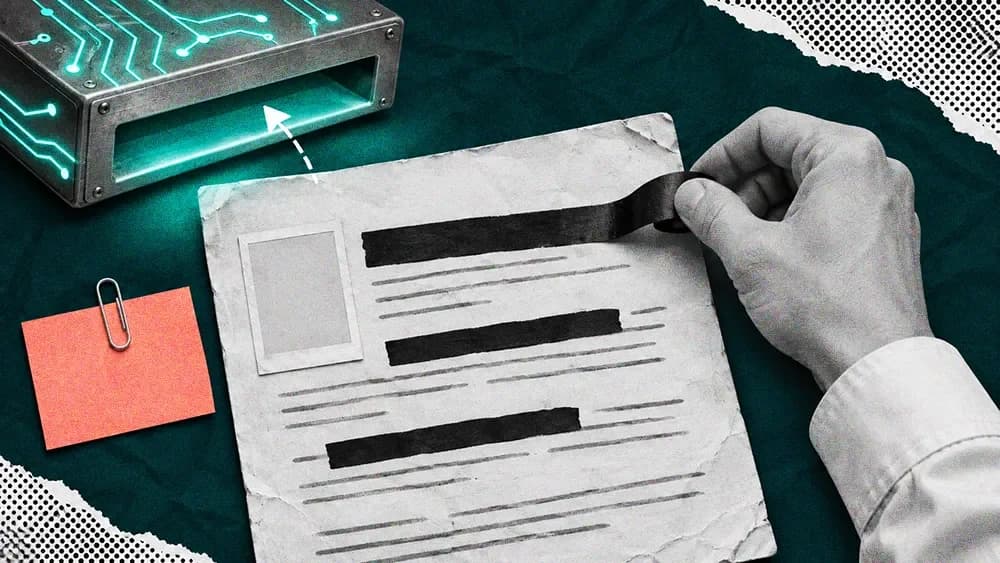
In BambooHR’s Redesigning Work: AI’s Performance Review report, 54% of organizations lack an AI usage policy that is clear, documented, and consistently communicated. The same report finds that 59% of workers use personal AI accounts for work, and 71% of that group have entered sensitive company information into tools their employer can’t see. Without a policy, those calls fall to the individual employee.
Billye Survis is Head of Talent/HRBP-Americas at the Irish dairy brand Ornua. She previously worked in talent acquisition, talent compliance, and learning at Enerpac Tool Group, Flex, Northwestern Mutual, and Rockwell Automation. Survis is an active AI user and takes part in AI tool testing, and she uses the tools to sharpen her own judgment.
“Ultimately, it’s our decision and we have to make the right decision. We’re the ones that are human in the actual role experiencing the things, and we’re the ones that need to make that final call,” says Survis. She enters her plan, reads what comes back, and then challenges it, sometimes pushing two, three, or four levels deeper to get what she needs.
Prompting for the gaps
Early on, Survis used AI mainly for reassurance. She would describe what she planned to do and ask whether it was a good idea, and the answer was nearly always yes. That felt good, but it didn’t improve her work, and she now sees it as a common trap for new users. “AI likes to confirm what I’m saying is right, and they like to tell me I’m doing a good job. So how can I use this better?” Survis notes. Her answer was to ask the model to find what she’d missed.
A difficult conversation is a good place to start. Before walking into one, a leader can ask the model to look at the situation from each person’s position, the employee’s as well as their own. The prompt can get fairly detailed, and it works best when it asks the model directly for what’s missing. “This is what I am thinking of doing. Show me where my holes are, where my gaps in reasoning are. How can I think about this differently, and who else will this impact?” says Survis.
The same approach works for role-play practice. A useful scenario starts general and holds the details back. A strong performer has started coming in late, and the leader has to address it with only that information. Once the conversation plays out, the leader gets a little more context. The employee might be dealing with something at home, perhaps a sick spouse and children to get to school. “It’s not only challenged my thinking, but I also think that it’s helped make those training scenarios better as well,” Survis explains.
Parameters before access
Survis thinks most companies are stepping into AI carefully. In her view, employee records, salary figures, and succession planning notes have no place in a tool a company hasn’t approved. “We don’t want to put any proprietary information, employee information, anything that’s really sensitive,” says Survis.
Where a company draws that line depends on how much risk it is willing to take, and setting those rules calls for partners beyond HR. “You definitely have to be working in partnership with your IT, with your legal team,” Survis advises.
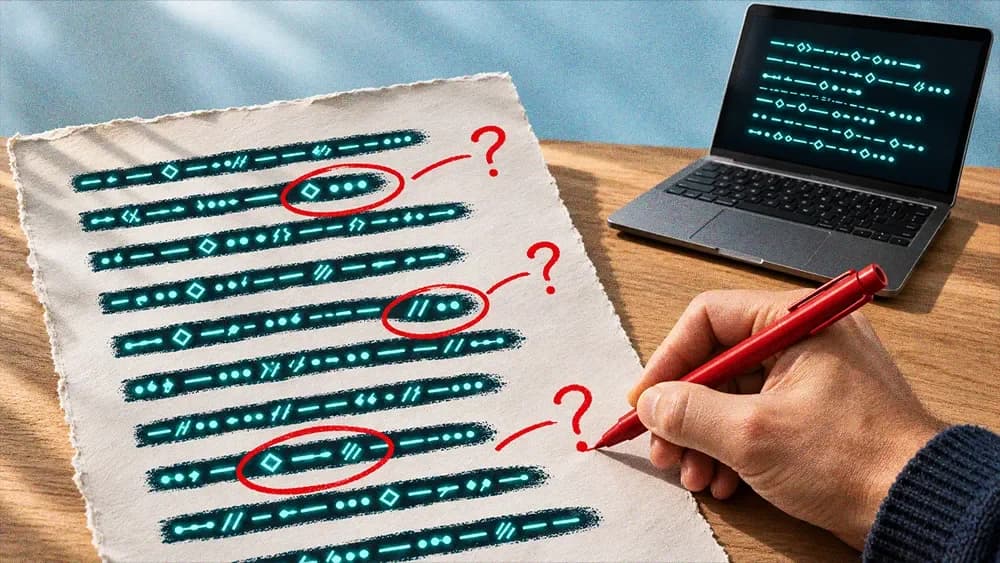
Anything a model gives Survis gets checked before she acts on it. She reads it, then asks the model to show her why a given change would affect one business function the way it claims. In the same BambooHR report, 80% of HR professionals say they have found bias or other problems in the models they use. “It might speed things up, but at the same time, you can’t always trust it. You have to slow down, take a beat, and really check into the information AI is providing you to make sure it’s correct,” says Survis.
Accountability stays with people
Responsibility for a decision made with AI stays with the person who made it. Whoever acts on a recommendation answers for the outcome, so no answer from a model should be treated as final. Checking it means going outside the tool, to other business functions, coworkers, and leaders. Survis’s test for anyone leaning on a model is whether they’re still comfortable making the decision themselves.
Over-reliance is the risk to watch for, and training is the place to address it. Employees need room to test the tools, with guardrails around what the tools are allowed to decide.
Companies are better off setting rules role by role. A recruiter using AI to build interview guides for hiring managers sits on the lower-risk end, as long as compliance parameters hold. A hire-or-fire decision based on what a model returns is a higher-risk case. Extending access to leaders first and moving somewhat slowly, with training and written guidelines alongside, gives a company time to learn where its own lines are. “We really have to be careful, and companies have to mitigate that risk individually. There’s no blanket answer,” says Survis.
Treated as a sparring partner, AI can push leaders to question their own assumptions and see a situation through the eyes of everyone it touches. The decision, and whatever follows from it, still belongs to a person. “If something’s going to go wrong, AI isn’t going to get the slap on the wrist. We will,” says Survis.