Key Components of ICS Security Include:
- Asset Inventory: Maintaining a comprehensive list of all devices and systems within the ICS environment
- Risk and Vulnerability Management: Identifying, assessing and mitigating vulnerabilities in ICS components. Includes patch management for safe updating of software and firmware to address known vulnerabilities
- Network Segmentation: Isolating critical systems from less secure networks
- Endpoint Protection: Securing individual devices within the ICS network
ICS security encompasses a range of practices and technologies designed to defend these systems from cyber threats to sustain industrial operations' integrity, availability and safety. This doesn’t only help protect the digital systems themselves but also the physical infrastructure they control.
Industries Relying on ICS Security
- Energy and Utilities (power generation, water treatment)
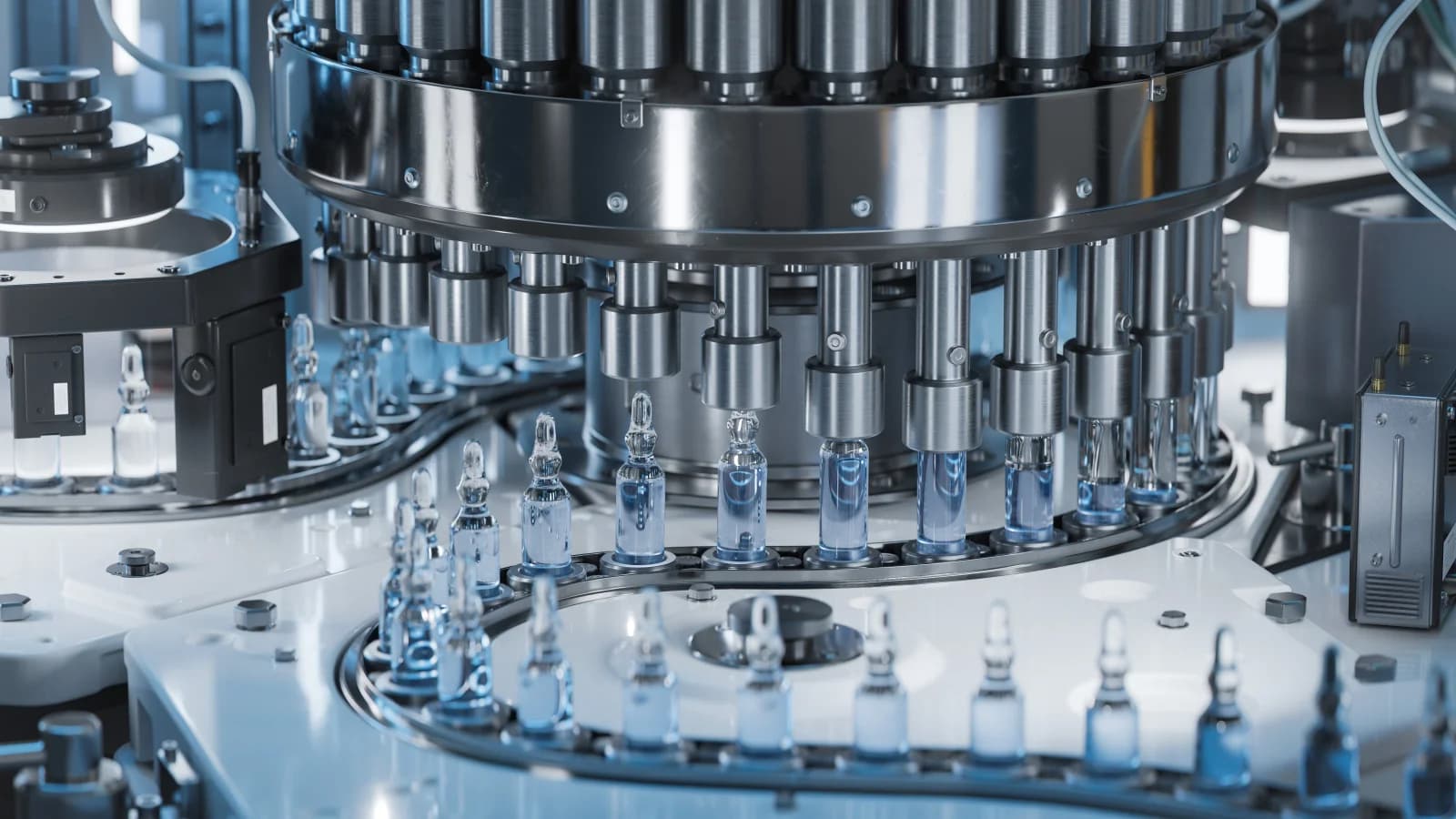
- Manufacturing (automotive, food and beverage, pharmaceuticals)
- Oil and Gas (refineries, pipelines)
- Mining and Metals
Importance of ICS Security
Given the critical nature of the processes controlled by ICS, sustaining their security is paramount. A breach in an ICS could lead to:
- Production stoppages
- Equipment damage
- Environmental disasters
- Public safety risks
- Significant financial losses
Understanding the unique characteristics and requirements of Industrial Control Systems is crucial for developing effective ICS security strategies. As these systems become more connected and digitally dependent, the need for robust, specialized security measures becomes increasingly critical.
Examples of Real-World ICS Security Threats and Attacks
There were over 48,000 exposed ICS services in the US in 2026, which is the same share as the European Union combined.
An example of an ICS security attack over the last year is with Poland’s energy sector. Russian-linked hackers targeted communication and control systems at 30 sites, which included grid safety and stability monitoring systems. The attackers used default passwords to reach the terminal units, protection relays and HMIs to upload malicious firmware, wipe the computers of HMI software and lock operators out of their servers. As a result, some ICS devices were permanently damaged.
Why Do We Need ICS Security?
The need for robust ICS security has never been more critical. As industrial systems become increasingly connected to corporate networks and the internet, they’ve become attractive targets for cybercriminals and state-affiliated threat actors. Consider these alarming statistics:
- According to the U.S. Cybersecurity and Infrastructure Security Agency (CISA), the threat landscape is scaling at unprecedented pace. As of August 2026, the number of vulnerabilities added to the Common Vulnerabilities and Exposures (CVE) database already surpassed the total record for 2025
- The National Institute of Standards and Technology (NIST) reported a 263% surge in CVEs between 2020 and 2025
- The 11th Annual State of Smart Manufacturing Report from Rockwell Automation noted that 46% of organizations experienced a cyber incident within the past year
- The World Economic Forum’s Global Risks Report 2026 ranks cyber insecurity as sixth as a short-term risk for the two-year outlook
Potential Consequences of ICS Breaches
The impact of a successful attack on an ICS can be severe and far-reaching:
- Safety Risks: In 2025, Canada’s Cyber Centre and RCMP warned that hacktivists had been tampering with online systems that control water, energy and agricultural facilities. Consequences included interference with water pressure that affected a community, false alarms triggered at an oil and gas company and potentially unsafe conditions at a grain-drying silo in a Canadian farm
- Economic Losses: The 2017 NotPetya attack, which affected numerous companies including shipping giant Maersk, resulted in estimated global damages of $10 billion
- Environmental Damage: In 2000, a disgruntled former employee hacked into the control systems of a sewage treatment plant in Maroochy Shire, Australia, causing millions of liters of raw sewage to spill into local parks and rivers
- National Security Threats: The 2015 attack on Ukraine’s power grid, attributed to Russian hackers, left 230,000 people without electricity for up to six hours, demonstrating the potential for ICS attacks to disrupt critical national infrastructure
- Reputational Damage: In 2014, a German steel mill suffered significant damage when a cyberattack prevented the proper shutdown of a blast furnace. Beyond the immediate physical and financial impact, such incidents can severely damage a company’s reputation and customer trust
These examples underscore the critical need for robust ICS security measures. As industrial systems become more interconnected and digitally dependent, the potential consequences of breaches grow more severe, making ICS security an imperative for organizations across all industrial sectors.
Financial Impact of Breaches in ICS Security
The Cyber Threat Snapshot from the Committee of Homeland Security revealed that the average cost of a data breach in the US was $10 million—nearly double the global average.
Downtime is critical for businesses but can vary by industry. For OEMs, the average downtime is $3.6M with every additional hour costing $92,000. Here are three key ways that you can calculate downtime based on industry:
- Manufacturing downtime = (Hourly labor cost + hourly overhead cost + hourly production cost) x downtime duration
- Wastewater treatment downtime = (Regulatory fines + environmental cleanup costs + labor costs + equipment repair/replacement + potential public health costs)
- Energy downtime = (Lost electricity sales + equipment repair/replacement + labor costs + regulatory fines + potential safety/environment costs)
Demonstrating ROI of Security Investments
While security is an investment, there are a few trackable metrics that can help you demonstrate ROI to your stakeholders:
- Reduction in Security Incidents: Monitor the number of successful and attempted cyberattacks, malware infections and unauthorized access attempts
- Improved Uptime: Track the percentage of uptime for critical systems and measure the reduction in unplanned downtime
- Compliance with Regulations: Document compliance with industry standards and regulations to avoid fines and demonstrate due diligence
- Risk Reduction: While difficult to quantify directly, emphasize the value of reducing the likelihood and impact of potential breaches. Use risk assessment frameworks to demonstrate the decrease in risk exposure
How to Address Fear of Disrupting Critical Processes
Security doesn't have to mean downtime. There are a few ways to implement security measures strategically to help minimize disruption:
- Roll out security controls in phases based on priority from your OT security team
- Use virtual patching or compensating controls to address vulnerabilities without taking systems offline.
- Divide the network into isolated segments to limit the impact of the breach
- Implement backup systems to take over if one system needs to go offline
- Align your testing and update with the operations teams so there is no conflict with required uptime
How Does ICS Security Differ from IT Security?
Your ICS is the foundation of your company’s operations. They manage everything from power grids to manufacturing lines—and their smooth operation directly impacts your bottom line. While IT security focuses on data and networks, ICS security focuses on securing the physical processes that the systems control.
Unique Challenges of ICS Devices
ICS environments often include legacy systems and specialized devices that pose unique security challenges:
- Many ICS devices run outdated operating systems (e.g., Windows XP) that no longer receive security updates
- Embedded systems like PLCs (Programmable Logic Controllers) and RTUs (Remote Terminal Units) often lack built-in security features
- ICS components typically have long lifecycles (15-20 years), making frequent updates or replacements impractical