Solution: Lifecycle Monitoring Turns Visibility Into Foresight
You can use the information on your initial inventory to feed a program that keeps working after the machine is on the floor.
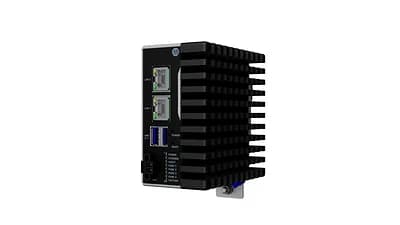
After machine delivery, SecureOT Platform can:
- Maintain security throughout the machine lifecycle
- Monitor newly disclosed vulnerabilities and product advisories
- Assess impact across all your deployed machines
- Track security updates
- Support customer reporting and regulatory obligations
Our platform also scales to include remediation through patches or configuration changes. If you're more protective over your networks, there are ways we can connect to always on, intermittent or scheduled outbound machines.
Step 4: Make OT Cybersecurity a Leadership Conversation
OT Cybersecurity isn't just for the engineers to handle. By bringing leadership to the table, you're able to find a comprehensive solution to your problem. And you may find opportunities that your competitors may miss.
There are three things leaders can spot:
- When your reputation is on the line
- How to build a program that earns money vs. absorbing the cost
- The math when it comes to labor
There's an additional facet leadership needs to own. Every new machine designed must start with security as a foundation; the same way it starts with safety. It changes how your projects run. But the only way you can start this change is with leadership buy-in.
The Stakes are Real
Some details are still being worked out, including questions surrounding how much access OEMs will have to machines in the field. What’s not in question is the expectation to comply—and the fines for non-compliance are being enforced.
The pressure is showing up at every level. Recently, the European Commission referred Ireland, Spain, France and the Netherlands to the Court of Justice of the European Union for failure to transpose NIS2 into national law. When entire countries are taken to court over these directives, the companies covered by them can expect that same degree of seriousness.
Not every OEM will handle this transition into cyber accountability well. Some can be damaged by it and we expect the market to consolidate as a result. In the past, safety requirements reshaped the industry and changed how business was won. We expect a similar outcome here.
What You Should Watch Out For with the Cyber Resilience Act
When it comes to the CRA, look at what’s due first:
- Evaluating your products and portfolio
- Naming a CRA compliance officer
- Checking supplier contracts for liability and updates
- Reviewing your cyber insurance
- Going through your client’s support contracts
Again, these requirements need leadership oversight, not engineering oversight.
Solution: Professional Services Can Help You Build the Program
Deciding to run a program is the leadership call. Figuring out what the program should look like is where a partner helps.
Professional security services from Rockwell Automation include up-front gap analysis and readiness offerings built to help OEMs:
- Identify what a sustainable and scalable program should look like
- Measure where your current program is at to find gaps across planning, design, development, production, delivery and maintenance
- Analyze what policies, procedures and tracking tasks your program needs on paper
Wherever the gaps are, we can help you close them. Whether this means secure-by-design system builds, updating policies and procedures or other programmatic needs.
Step 5: Turn the Work Into Revenue
Our last blog pointed to patching as a revenue opportunity to start. Next, work your way to the real opportunity: system health.
Once you see a machine clearly, you can sell everything that comes with knowing what’s out there:
- Modernization and upgrades
- Replacing parts that are failing
- Tuning the process
- Improving efficiency
Visibility gives you data. The data gives you the context. And the context is what a customer will pay for.
Put a Number on the Risk
Quantifying risk is something OEMs have always struggled with. You know a machine is aging, you know a component is obsolete. But without hard data, it’s an opinion and opinions lose to budget cycles.
A program changes that. When you show a customer exactly which components are creating risk and what they’re worth, the conversation stops being a judgement call and turns into a number they can act on.
This matters most for the machines you’ve already shipped. Somewhere in your installed base are machines built before any of these rules existed. And they’re running components that wouldn’t meet today’s requirements. Your customers will want to know that.
Two Ways This Can Show Up On Your Books
First, you win more machines. An OEM that can prove how it handles security beats one that can only promise. Cybersecurity itself is table stakes now. How you respond to it is your differentiator.
Next, you earn more across the life of the machine. OEMs already make much of their money after the initial sale through parts and service. Security is the newest line in that column. This gives you a reason to stay in regular contact with a customer for a decade.
Solution: Four Ways Visibility Can Pay You Back
SecureOT Platform gives OEMs the visibility they need to support CRA demands, drive competitive differentiation and create opportunities for additional revenue. Here’s how this benefits OEMs:
The last one makes more of a difference than you realize. Machine builders guard what makes them special. Better security is another way to keep someone else from getting their hands on it.
The Bottom Line
When safety requirements arrived, everyone worried the same way. Whether that was fear of slowing down, hurting productivity or making machines harder to operate and maintain.
But the opposite happened. Safety made operations faster, steadier and more predictable. Today, no one would build a machine without it.
Cybersecurity is going to follow the same path. It keeps your production running, limits the damage when something goes wrong and gives your customers more uptime. More uptime for them means more business for you.
The regulations are the reason why you’re starting, but they’re not the reason you’ll be glad you did.