Blogs
By Alison Howlett, Director of Global Communications and EventsPosted November 16, 2026Posted in Blogs
SpaceX’s latest progress with Starship is another reminder of how profoundly reusability has changed the economics and expectations of space launch.
In around a decade, SpaceX has transformed rocket reuse from an ambitious goal into a regular cadence of launches, landings and reflights. SpaceX achieved the first reflight of an orbital-class booster in March 2017, challenging the long-standing model in which valuable launch hardware was designed for a single flight. Starship aims to take that concept much further, with a fully reusable launch system designed for rapid turnaround and capable of carrying more than 100 metric tons to orbit.
As the launch industry continues to rethink what should be reusable, there is another question worth asking: Could a similar change in thinking happen to the spacecraft those rockets put into orbit?
From disposable hardware to valuable infrastructure
The impact of rocket reuse is about more than recovering hardware. It changed an assumption at the heart of the launch industry: that the machinery required to reach space had to be built around a largely linear lifecycle. Build. Launch. Discard. Replace.
The satellite industry is increasingly questioning its own version of that model. Satellites are extraordinarily sophisticated and valuable pieces of infrastructure. But once they are in orbit, our ability to intervene when they run low on fuel, encounter technical problems, need to move or reach the end of their operational lives remains limited.
As access to space becomes more frequent and the number and importance of spacecraft in orbit grow, that approach becomes harder to sustain.
The value of on-orbit servicing
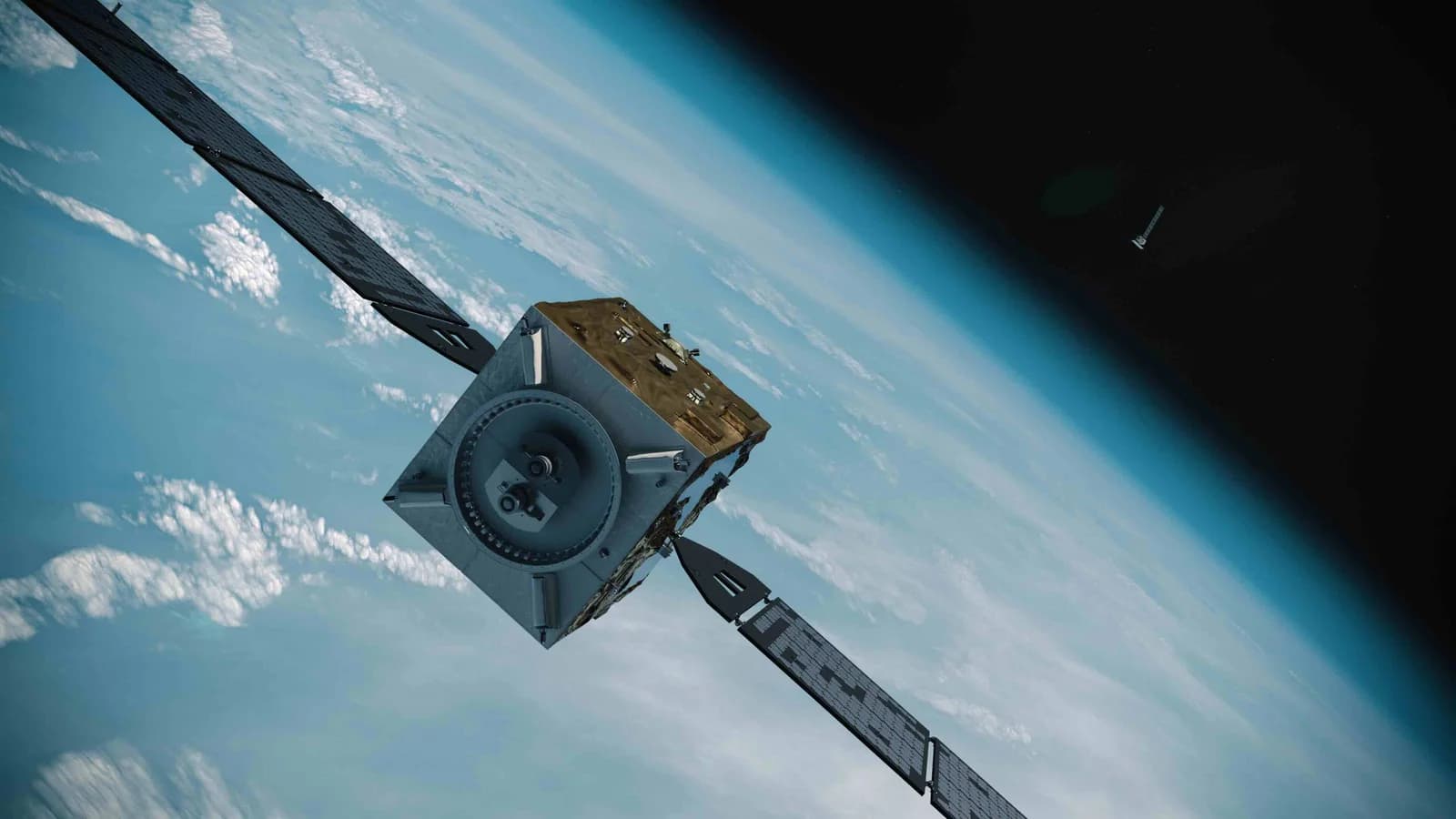
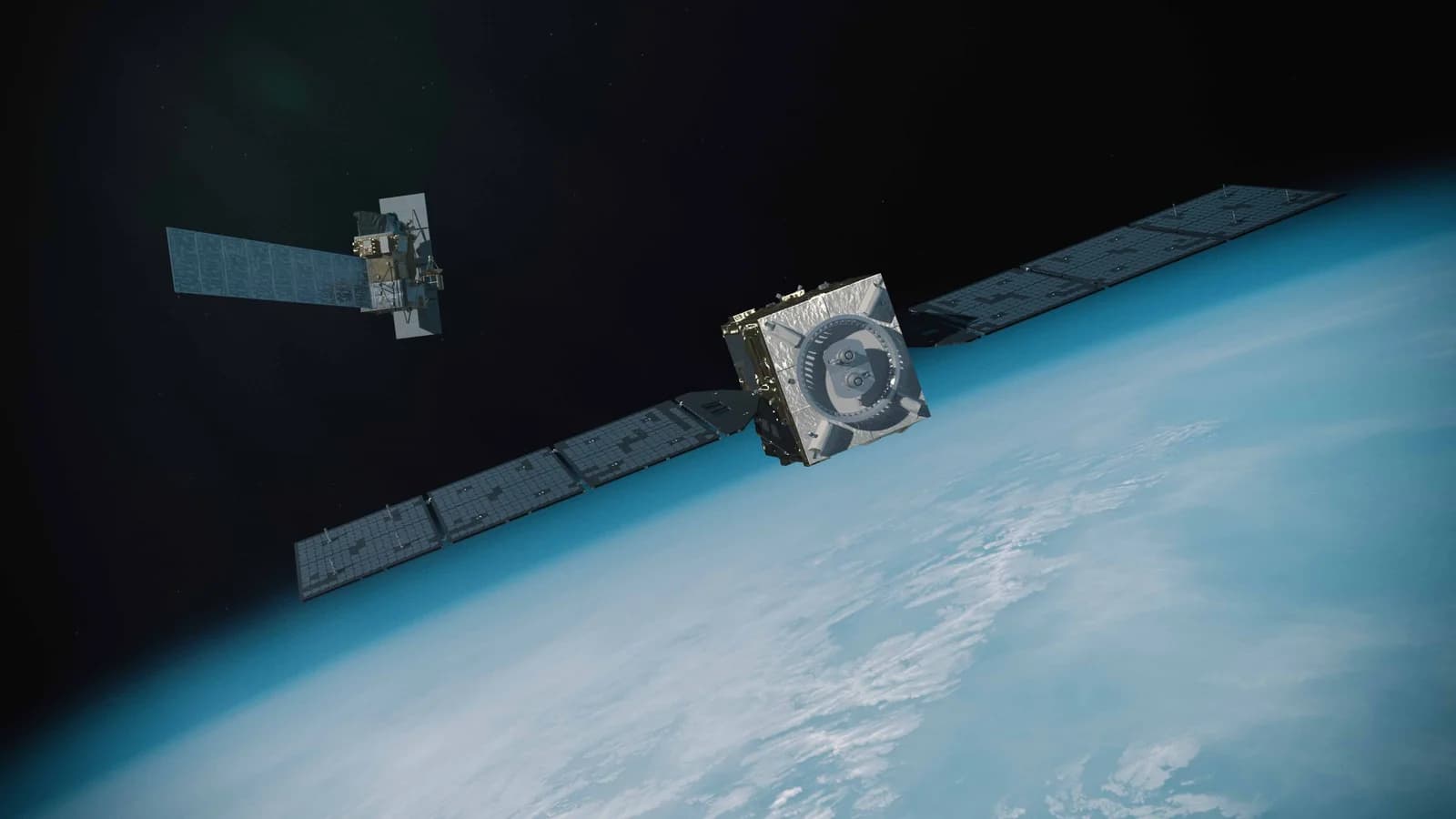
On-orbit servicing offers a different model. Rather than assuming a spacecraft’s capabilities are largely fixed from the moment it leaves the ground, satellite servicing opens the possibility of intervening throughout its operational life. That could mean inspecting a spacecraft, extending its life, refueling or repositioning it, supporting upgrades and, when it can no longer operate safely, helping remove it from orbit.
This is not about making satellites “reusable” in exactly the same way as rockets. Spacecraft perform different functions and operate in a very different environment. It is about applying a similar principle: valuable space hardware should not automatically be considered disposable simply because it has already been launched.
Why reusable launch makes satellite servicing more important
The case for managing spacecraft throughout their lifecycle becomes even stronger if systems such as Starship make access to orbit cheaper and more frequent.
More accessible launch could unlock enormous opportunities, enabling new communications infrastructure, Earth observation, navigation, scientific missions, national security capabilities and new commercial services. But greater access also means we need to think carefully about the environment into which all of that infrastructure is being deployed.
Space sustainability cannot be measured only by how efficiently we reach orbit. It must include what happens to spacecraft throughout their entire lifecycle. Can we keep them operational for longer? Can we inspect and maintain them rather than immediately replace them? And can we ensure spacecraft are responsibly removed when their missions are complete?
These questions become increasingly important as orbital congestion and space debris grow alongside our dependence on space-based infrastructure.
The next evolution of the space economy
At Astroscale, we believe the future of space will depend not only on our ability to reach orbit, but on how effectively we manage what we put there. On-orbit servicing can help shift spacecraft from largely disposable assets towards infrastructure that can be inspected, serviced, life-extended and responsibly managed throughout their operational lives.
Rocket reuse has demonstrated the potential of challenging the assumption that sophisticated space hardware must be disposable. As reusable launch systems make access to orbit easier and more frequent, the next opportunity is to rethink the spacecraft they carry: not simply how many we can launch, but how much value we can get from them once they are there.