Everyone is talking about AI, tokens and why Claude has changed overnight (again). Almost nobody is talking about the person in a hi-vis vest who has to sleep somewhere after a 12-hour shift installing the infrastructure to make that work happen.
That is about to change, because the numbers are hard to ignore. According to ConstructConnect, US data center construction year-to-date spending reached $81.5 billion in the first half of 2026. That already beats the $72.5 billion for all of 2025, and 116 projects have broken ground so far this year. The average facility is nearly 700,000 square feet, more than double the size in 2022. Another 85 projects, worth $78.2 billion, are lined up for a start before year-end (though not all will make it out of the planning stage).
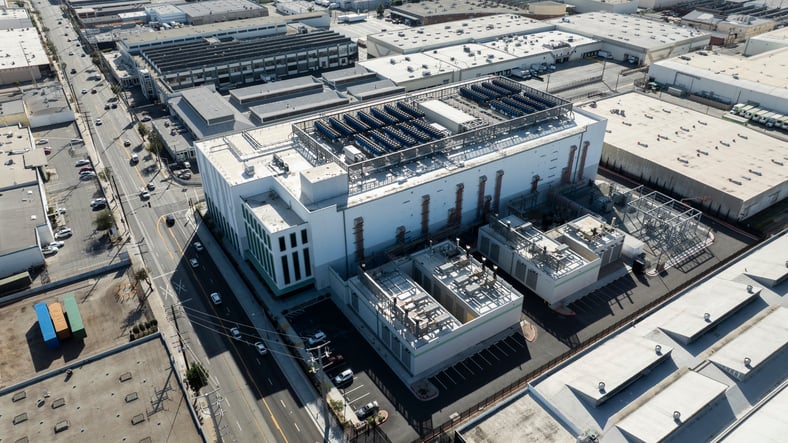
The Vernon California Data Center
Now for the part that matters to us in hospitality. Those builds are heading where the power and water are, and where extreme weather and tornadoes are not, which is mostly across the South and Midwest. That tends to mean small towns with a couple of motels, one diner, and a very confused local planning board. A single campus can need thousands of skilled tradespeople, and the industry is already short on them. Associated Builders and Contractors estimates US construction needs up to 349,000 extra workers in 2026 alone.
Those workers need a bed. Preferably one that isn't in a car seat or in a warehouse-style campus.
Opportunity #1: A brand new market is opening
Workforce accommodation used to be a story about mining camps and remote projects. Data centers have just added a new chapter, and it's a big one. Crews arrive in waves, stay for months or years, and need consistent, compliant, well-run accommodation close to site.
For workforce accommodation providers, that means new customers and completely different ones at that. Contractors and developers are not shopping for a nice view. They want reliable capacity, clear billing, and reporting they can hand to an HQ or their clients without breaking a sweat. They want to know how many beds are booked next month, who is checked in tonight, and whether the rooms will be clean before the next crew lands.
In other words, they want operations that run like clockwork. The providers who can prove that will win those big juicy contract
Opportunity # 2: The RV park has entered the chat
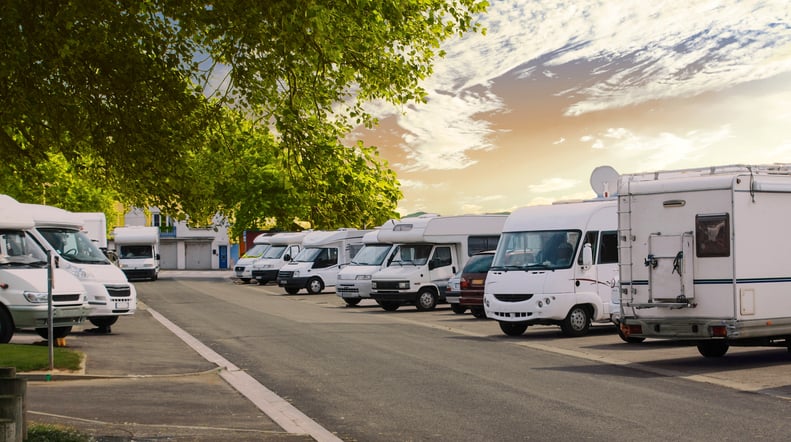
Here is the plot twist. Some of the biggest winners so far are not purpose-built camps at all. They're campgrounds and RV parks.
Local news in Eastern Iowa recently reported that parks there are nearly full year-round, with waiting lists, after seeing just 20 to 30 percent occupancy in winter. One lineman working on a local data center project told KCRG he pays $26 a night at a state campground, against hotel rates he put at $100 to $500. He also said the quiet and peaceful environment is a welcome bonus after long shifts near a noisy, congested job site.
In Texas, Taylor County has approved a 2,313-site RV park near Abilene, one of the largest in the country, built with data center workers in mind. Plans include a playground, dog park, sand volleyball court, and a clubhouse. Someone clearly understood that people staying for months want more than a concrete pad and a clear signal that workers' wellbeing is a key decision factor in staff retention.
That is the opportunity for traditional hospitality operators. Long-term workforce guests want what you already know how to offer: outdoor space, a sense of community, somewhere to cook, unwind and see another human being who isn't their foreman. A bunk in a warehouse can provide sleep. A park with fire pits, shared kitchens and a friendly host can provide the reason someone renews their stay, and tells the rest of the crew.
Community life is a competitive advantage, and RV parks and holiday parks are already so good at it.
RV Parks provide a great, and often cheaper, alternative to traditional workforce accommodation thanks to the outdoor spaces and the amenities on offer.
A word of caution
Not everyone is celebrating. The brokerage behind that Texas article flags the "post-construction cliff": once a data center is built, it needs far fewer people to run it. Parks that fill with construction crews need a plan for what comes next, whether that's the next project down the road, a return to leisure guests, or a mix of both.
That's why the operators who do best will run flexible, well-managed properties that can move between workforce and leisure without falling over, which brings us to the boring but decisive bit.
Where RMS fits
Moving into workforce accommodation changes how you take bookings, bill companies, manage rosters, schedule housekeeping and report on who is on site. Do that by hand across 200 rooms, or 2,000 sites, and things can go sideways quickly.
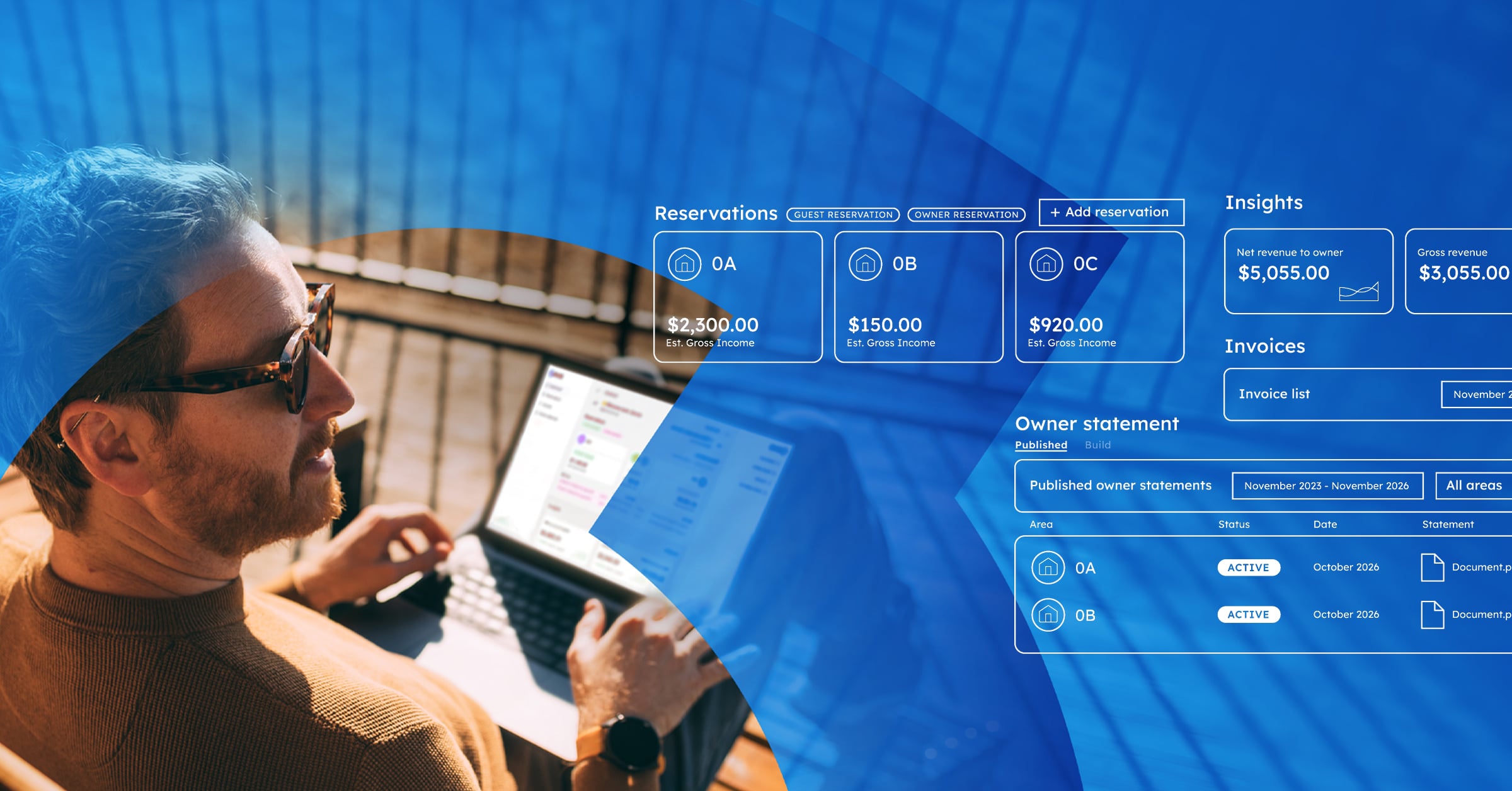
RMS already builds software for exactly this. Our workforce housing solution handles roster-based reservations, occupancy forecasting, tick sheets and compliance reports, automated housekeeping and maintenance tasks, and bulk messaging for on-site alerts. HOST, one of our customers, saves 96 hours a week managing accommodation for thousands of shift workers on a single platform. And because RMS also serves holiday parks, RV parks and traditional accommodation, you can run workforce and leisure guests side by side and switch the mix as the market shifts.
The AI build-out is going to need a lot of beds. The operators who are ready, with the right mix of community, capacity and systems, will be the ones filling them.
If you're weighing up whether to open your doors to workforce guests, or you're already there and drowning in spreadsheets, come and talk to us.
![Top Hotel Management Software in Nigeria [2027]](https://images.unsplash.com/photo-1637019916030-9f851c2eca13?crop=entropy&cs=tinysrgb&fit=max&fm=jpg&ixid=M3wxMDgwOTg1fDB8MXxzZWFyY2h8MXx8VG9wJTIwSG90ZWwlMjBNYW5hZ2VtZW50JTIwU29mdHdhcmUlMjBOaWdlcmlhJTIwMjAyN3xlbnwxfDB8fHwxNzkxMjkxMzk4fDA&ixlib=rb-4.1.0&q=80&w=1080)