When considering an electric vehicle (EV), charging cost is one of the first things potential buyers want to understand. A full charge at home can cost anywhere between $8 and $19, depending on the electricity rate, charger type and size of the battery.
EV charging is measured in kilowatt-hours (kWh), not gallons of gas. That means, the electricity rate where you charge is the main consideration when it comes to the cost of the charge. Given that residential electricity rates are generally lower than public charging rates, overnight home chargingOpens in new tab is usually the lowest-cost option. Public Level 2 chargers and DC fast chargers cost more per kWh, but even a fast-charging session on a road trip typically ends up cheaper than filling a gas tank.
For Rivian drivers, the Rivian app makes these costs easy to track — whether you’re charging at home or topping up at a public charger. This guide walks you through the factors that influence EV charging costs and what you can do to keep costs low.
Factors that affect EV charging costs
EV charging cost is the amount a driver pays to add power to a vehicle’s battery. That amount isn’t the same every time. It changes based on how much electricity is drawn and the price per kWh.
Here are the main factors that influence the cost of each charging session:
Location and electricity rate: Rates vary by state and utility provider. As of October 2026, the national residential average is around $0.18 per kWh, ranging from roughly $0.13 per kWh in Nevada to more than $0.53 per kWh in Hawaii.
Time of day: Many utilities price electricity higher during peak afternoon hours and lower rates overnight. Charging during off-peak hours costs less per kWh.
Charging speed and type: Home Level 2 charging costs are based on your residential rate, while public Level 2 stations add a modest markup. DC fast chargers cost the most per kWh due to higher operating costs.
Battery capacity and efficiency: Larger batteries hold more energy and cost more to fill, but they also deliver more miles per charge. Driving speed, temperature, terrain and climate control all affect how many kWh a vehicle consumes per mile.
Idle fees: Some public chargers apply a per-minute fee if a vehicle stays plugged in after charging completes. Unplugging promptly helps avoid these fees.
Of all these factors, the per-kWh electricity rate has the biggest impact on what you pay for each charging session. Even small differences in rate add up over time.
EV electricity cost: How rates affect your charging bill
A driver paying $0.13 per kWh will spend far less than someone paying $0.35 per kWh for the same amount of energy added to the same vehicle.
Here’s how it works:
Charging cost = energy used (kWh) × electricity rate ($ per kWh)
So, a 60 kWh session at $0.18 per kWh costs $10.80. But the same session at $0.35 per kWh costs $21.00 — nearly double, even with the same vehicle.
As of October 2026, the average U.S. residential rate is about $0.18 per kWh, but rates vary widely by state. Louisiana averages around $0.13 per kWh, while Massachusetts is closer to $0.30 per kWh. Knowing your local electricity rate helps you estimate your monthly charging budget.
Also check whether your utility offers time-of-use plans. These plans lower electricity rates during off-peak hours, typically late evening through early morning. Charging overnight on time-of-use plans can reduce the per-kWh cost by up to 50% compared with daytime charging.
How much does it cost to fully charge an EV?
A full charge at home can cost $8 to $19, depending on the EV battery size and the local electricity rate. Public charging costs more, with national rates averaging around $0.42 per kWhOpens in new tab.
On a per-mile basis, EVs often cost less to run than gas cars. At average U.S. electricity rates, home EV charging costs roughly 5 to 6 cents per mile, while a 30-mpg gas car costs about 14 cents per mile based on the national average gas price of $4.27 a gallon as of October 22, 2026. Over a year, that difference can save you $900 to $1,200.
Charging speed also plays a role. Many EVs charge most efficiently between 10% and 80% when using DC fast charging, and staying in that range helps maintain long-term battery health.
Here’s what a typical 10–80% charge costs across different setups: at home, at a public Level 2 charger, and on the Rivian Adventure NetworkOpens in new tab.
Actual costs may vary depending on electricity rate, location and charger type. You can check Rivian Adventure Network pricing in the Rivian app, on the vehicle’s center display or directly on the charger screen before you start charging.
For most EV owners, the residential electricity rate has the greatest impact on the overall charging cost. Public charging rates matter for road trips and occasional stops, but home charging determines most of what you’ll spend month to month.
How to lower your EV charging cost
EV charging already costs significantly less than gas. But you can often reduce costs further by choosing when and where you charge:
Charge during off-peak hours: If your utility offers time-of-use pricing or specific plans for EV charging, it’s worth calling them to explore your options. You may be able to lower charging costs by plugging in during off-peak hours or using an EV-specific rate plan.
Use Schedule Recommendation in the Rivian app: Smart Charging analyzes your utility’s electricity rates and automatically builds a charging schedule around the lowest-cost hours. If your off-peak windows shift by season or differ on weekends, it adjusts the schedule automatically so you always charge at the cheapest times.
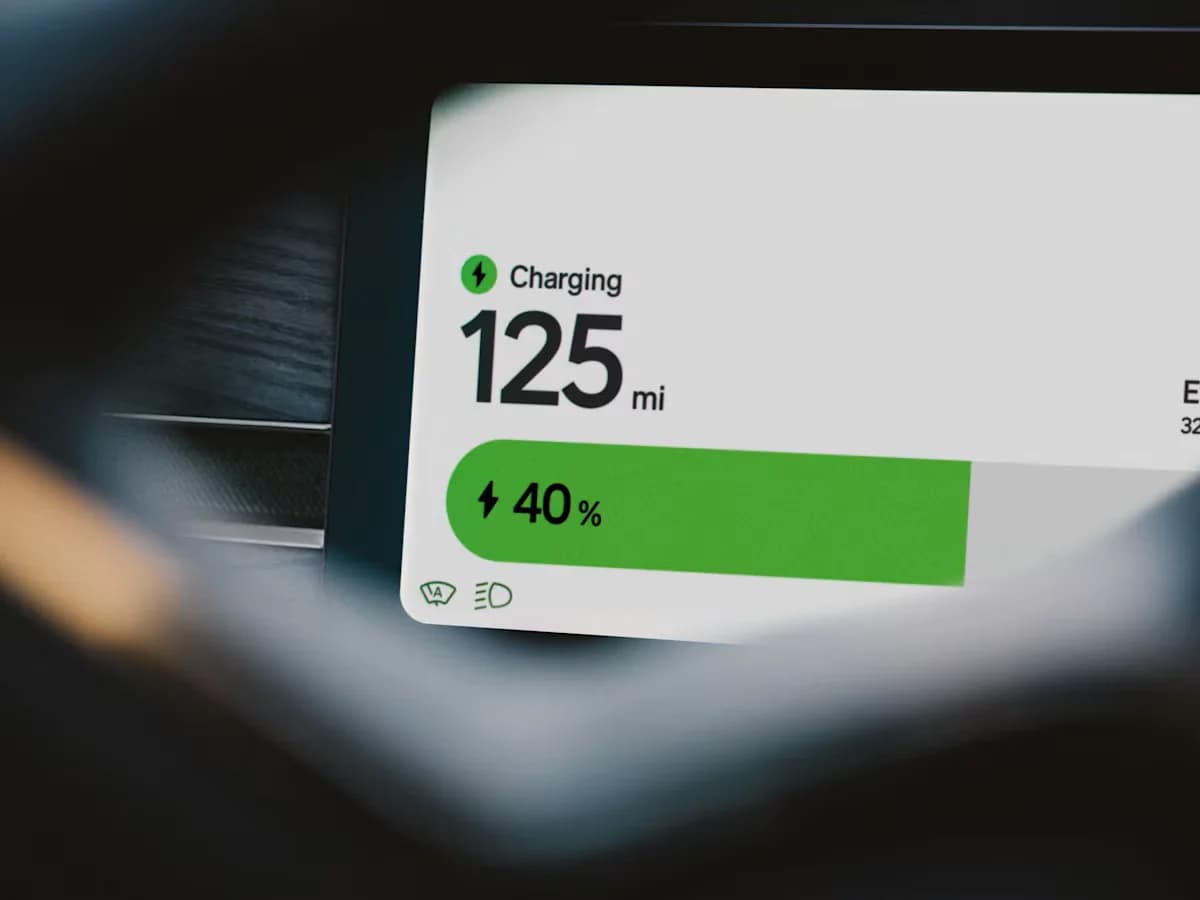
Track your actual vehicle efficiency: Rivian’s Energy App — available on the vehicle’s center display and in the Rivian app — tracks your vehicle’s energy consumption in kWh per mile. Your per-mile efficiency helps estimate the cost of each trip and spot weeks or routes where your vehicle uses more energy.
Besides these best practices, it’s also worth looking for free Level 2 charging. Some workplaces, hotels and retail locations offer complimentary Level 2 chargers for customers and employees. A few hours plugged in while you shop or work can add enough range to cover a full day of driving at no extra cost.
Charging costs made simpler with Rivian
Charging costs are easier to manage when you can see them in one place. The Rivian app shows your per-kWh rate and what each charge costs, no matter where you plug in.
The Rivian Wall ChargerOpens in new tab delivers up to 25 miles of range per hour for R1S and R1T, and up to 38 miles of range per hour for R2. Plug in when you get home, and your vehicle is ready to go by morning, charged at your residential rate.
On longer drives, Rivian’s built-in trip planner shows the way. It automatically routes you to chargers based on your battery level, traffic and elevation so you always know where to stop. We’ve also built our own DC fast charging network — the Rivian Adventure NetworkOpens in new tab — that covers major travel corridors and highways. Whether you’re on an interstate road trip or just running local errands, you can charge and get back on the road quickly. As a Rivian driver, you get a discounted per-kWh rate and can simply plug in to start a charge. All other EV drivers can just tap, plug in and start charging.
Book a demo driveOpens in new tab to experience a Rivian vehicle firsthand and get answers to all your charging questions while you’re there.
Informational purposes only. The information provided in this article is intended for general informational purposes only. It does not constitute professional advice or expert guidance. Where appropriate, seek professional assistance. While we strive to ensure accuracy, we do not assume any responsibility or liability for any inaccuracies, omissions or errors in this content.