Dev48
Language
  • About
  • Services
  • Industries
  • Technologies
  • Articles
  • Contacts
Book a call
    Home/Articles/Enterprise managed auth for the supabase mcp server
Dev48
info@dev48.org+375 29 320-40-96WhatsApp@isky_by

© 2026 · All rights reserved.

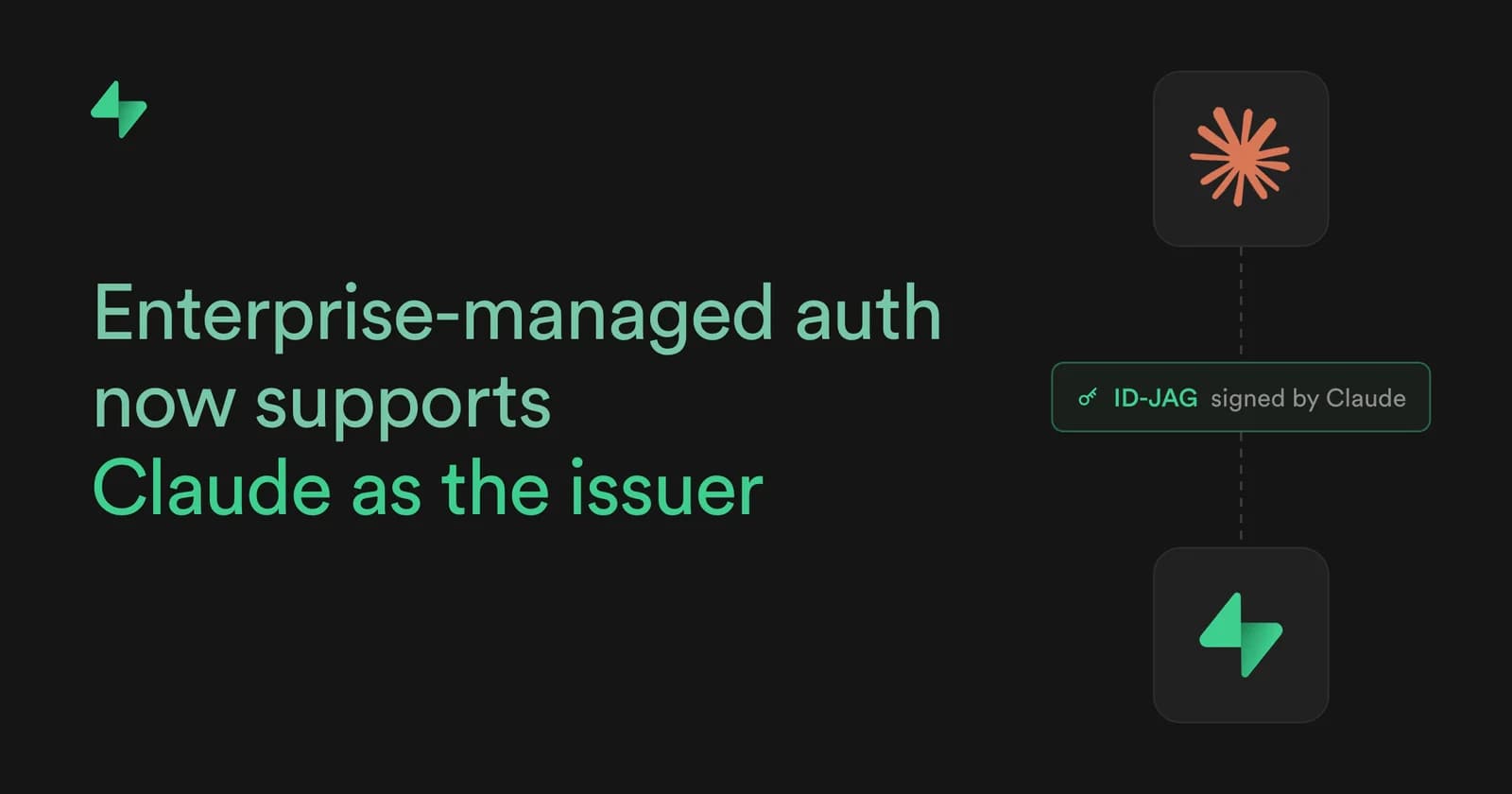
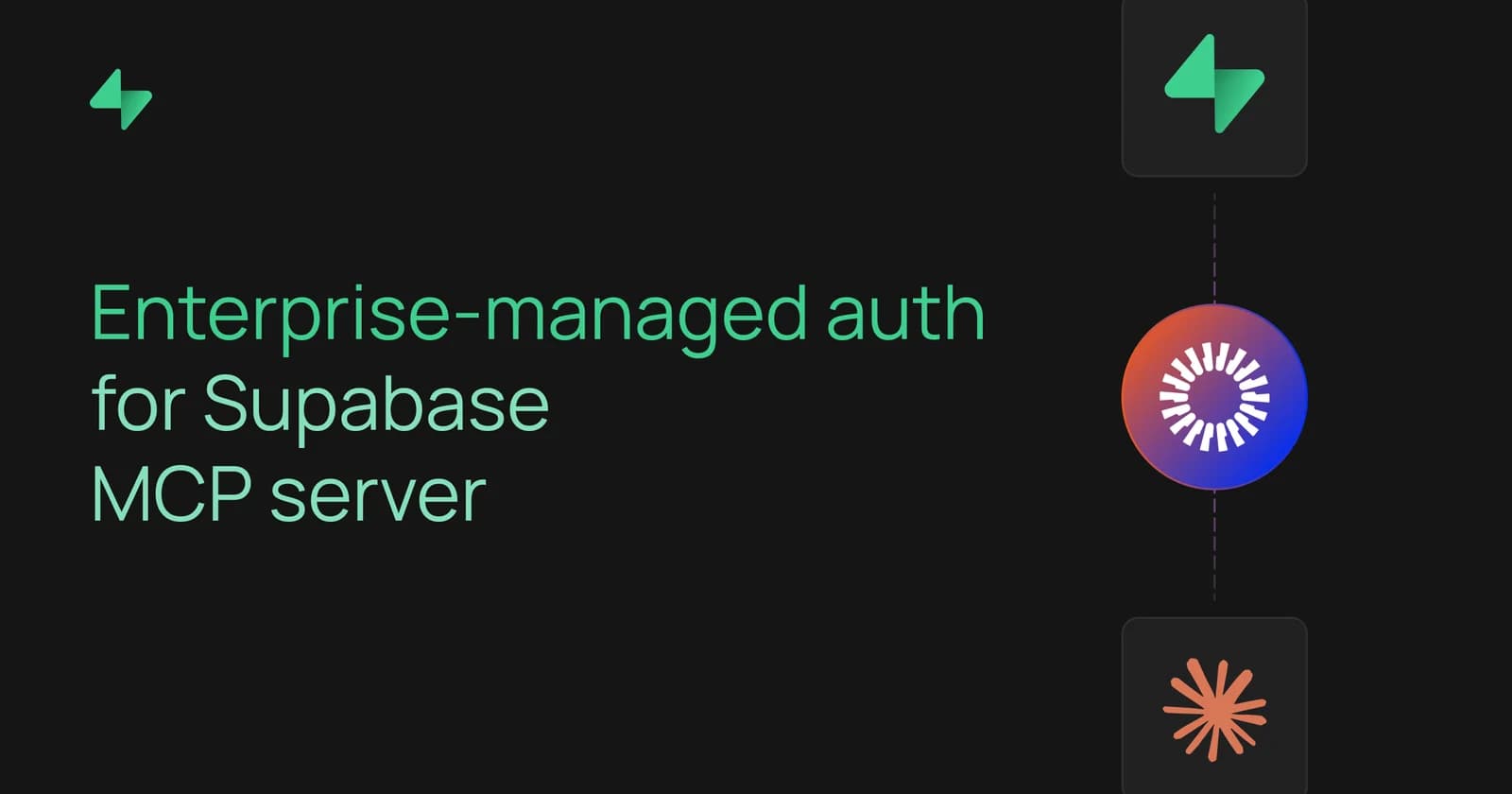
Enterprise-managed auth for the Supabase MCP server

Source: Supabase•September 28, 2026 at 07:06 PM

Enterprise-managed auth for the Supabase MCP server

Enterprise IT admins can now manage access to Supabase in Claude centrally through Okta, scoped to each person's existing permissions.

Enterprise-managed auth for the Supabase MCP server is now generally available on Supabase Team and Enterprise plans. Built with Anthropic and Okta, it moves access control for Supabase in Claude to your identity provider, so IT admins can grant, restrict, and revoke that access for the whole organization from one place.

Before, each person connecting Claude to Supabase approved their own OAuth consent, and only organization owners could authorize the connection at all. Now an admin authorizes the Supabase connector once, and every employee who signs in to Claude finds Supabase ready to use, scoped to the projects and permissions they already have.

Access is tied to the individual employee rather than the organization owner, so what someone can do through Claude matches what they can already do in Supabase:

  • Developers and read-only members get working Supabase MCP access with the role they already have
  • Every query and management action runs with that person's existing role and permissions in Supabase, nothing more than they'd already have signing in directly

Your security team already runs onboarding, offboarding, and access reviews through your identity provider, and those workflows now cover Supabase in Claude:

  • Restrict Supabase MCP access to an Okta group instead of approving each connection by hand
  • Offboard someone in Okta and their Supabase access in Claude goes with it
  • Point a security review of AI tool usage at one centrally enforced policy instead of individual grants

Enterprise-managed auth joins SSO, project-scoped roles, and SOC 2 and HIPAA compliance as part of how enterprises run Supabase. And this is just the start, with SCIM-based provisioning for the platform on the roadmap.

Enterprise-managed auth is available today for organizations on a Supabase Team or Enterprise plan with Okta SSO enabled and a Claude Team or Enterprise plan.

  • Get started with enterprise-managed auth

← All articles

What this article says

More in Software Development

All →
Give your Vercel AI SDK agents memory with Redis Agent Memory
Redis

Give your Vercel AI SDK agents memory with Redis Agent Memory

How to migrate JMeter tests to Postman
Postman

How to migrate JMeter tests to Postman

My Favorite Color Extensions from the .NET MAUI Community Toolkit
Telerik

My Favorite Color Extensions from the .NET MAUI Community Toolkit

The costliest holiday shipping mistakes (and how to avoid them)
Shippo

The costliest holiday shipping mistakes (and how to avoid them)

PrestaShop Payments: payments, reimagined for PrestaShop stores
Prestashop

PrestaShop Payments: payments, reimagined for PrestaShop stores

Best SEO Strategies for Small Businesses in 2026
Shopify

Best SEO Strategies for Small Businesses in 2026

More from Supabase

Enterprise-managed auth for MCP: Claude can now issue the identity assertion
Supabase

Enterprise-managed auth for MCP: Claude can now issue the identity assertion

Introducing DBArena: open, reproducible benchmarks for hosted Postgres
Supabase

Introducing DBArena: open, reproducible benchmarks for hosted Postgres

Explorer and Notebooks: investigations your team can rerun
Supabase

Explorer and Notebooks: investigations your team can rerun

Multigres private alpha: automatic failover for Supabase Postgres
Supabase

Multigres private alpha: automatic failover for Supabase Postgres

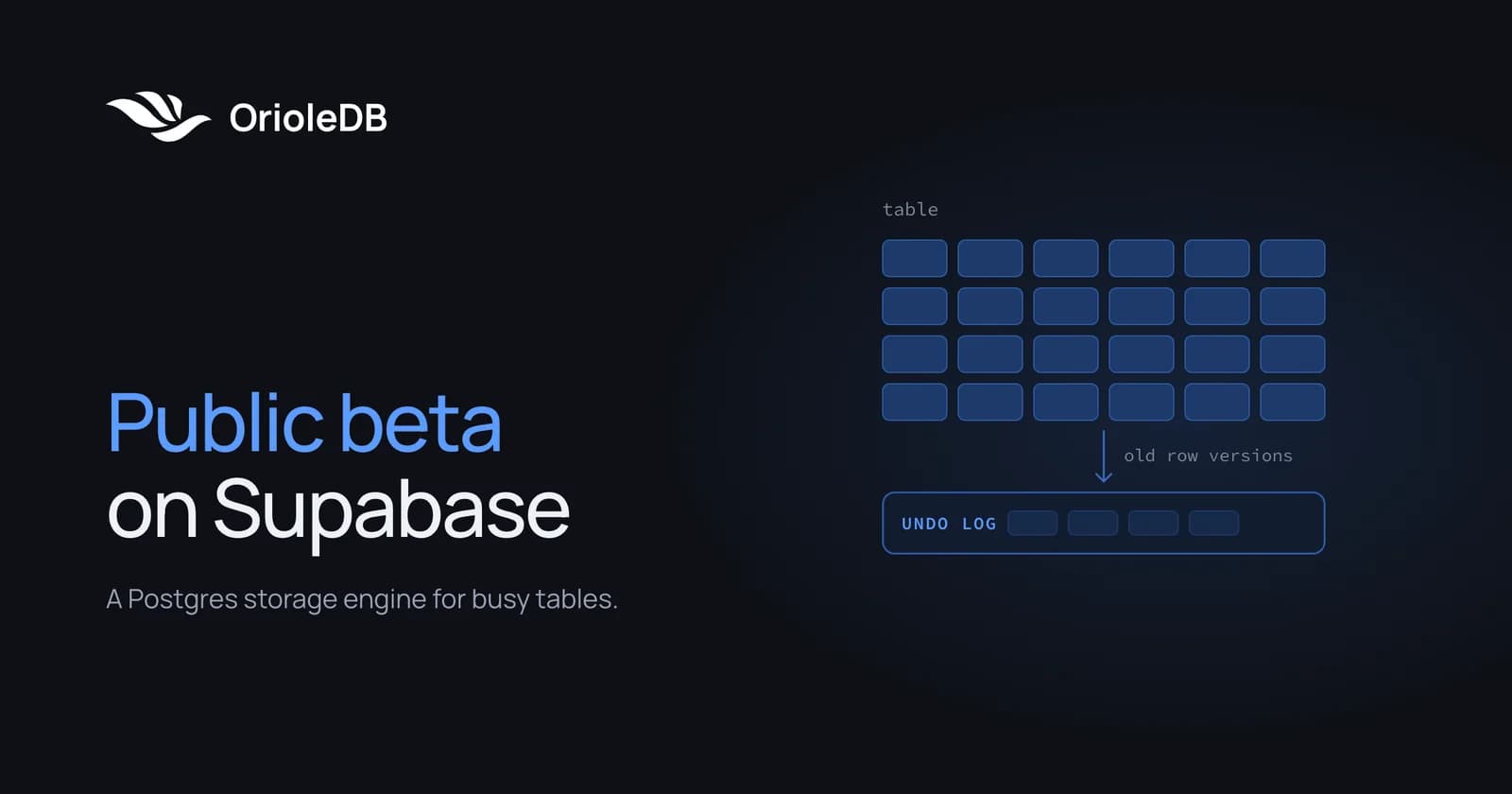
OrioleDB public beta: a Postgres storage engine for update-heavy tables
Supabase

OrioleDB public beta: a Postgres storage engine for update-heavy tables

Automate your Supabase backend with Make
Supabase

Automate your Supabase backend with Make