Ask an AI agent for a picture of a dragon, and it will create one in seconds. A creator can look at it and decide whether it’s good almost immediately. Now ask for a game where the player can ride that dragon. Suddenly the dragon needs a flight model, controls that feel intuitive, a world to fly over, and an architecture that keeps 50 friends flying together without lag on a mobile device, a PC, and a console at the same time. Even if the player had fun on their first dragon flight, they still need a reason to come back tomorrow.
Games are complex. A game is finished only when someone plays it, and the best ones are never finished at all. That makes games one of the hardest things AI has tried to make, and one of the most interesting. The winners of this race for AI creation won’t be whoever generates content fastest. They’ll be whoever gives creators and their agents the best place to build, test, ship, and grow a game. That’s what Roblox has been building for 20 years.
Roblox’s original tagline, “You make the game,” has never felt more true. Today, the creators of over 80% of the top 100 Roblox games (as ranked by hours played) are using AI tools in their workflow. In September, a game built almost entirely with AI broke into our top 10 by concurrent players. And daily asset uploads tripled in October, with early signs pointing to richer, more complex, and more novel assets than we’ve historically seen.
Everything about how games get made is changing. Almost nothing about why a game succeeds is.
Why Games Are Unique in the Age of AI
A game is a system, not a file. A game is hundreds of things that depend on one other: scripts, physics, UI, server logic, and multiplayer state. Change how high a character jumps, and suddenly a level can be skipped, a puzzle stops working, and the server has to sync something new. AI can generate a first draft quickly, but getting all those parts to work together takes a loop: change, run, observe, fix, repeat.
Games are verified by play. You can’t tell whether a game is fun by reading its code or looking at a screenshot. You have to play it—then thousands of other people have to play it. Unlike text, images, or video, a game can’t be judged as output; it has to be experienced. That’s why AI game creation needs a real runtime, real playtesting, and a real player signal to get it right.
Games are social and live. The best games aren’t finished at launch. They’re operated: updated weekly, tuned to player behavior, and sustained by communities of friends who play together. Generation is the beginning of a game’s life cycle, not the end.
Abundance shifts the bottleneck. When anyone can make a game in an afternoon, making one stops being the hard part. The hard part becomes getting it in front of the right players, earning their time, and giving them a reason to come back with friends. As creation gets cheaper, distribution, discovery, and community become scarce resources that can’t be generated.
Roblox’s Unique Ecosystem
One integrated stack. Roblox’s engine, Studio; cloud services; game servers; distribution; economy; and safety all live on the same platform. That’s what makes Roblox such a strong environment for agents: they can act on and observe the entire life cycle of a game, not just one slice of it.
A built-in audience on day one. Every day, 138 million users arrive with their friends, identities, and communities already in place. AI can generate a game in an afternoon. It can’t generate an audience of that size or the infrastructure that serves it.
Discovery that rewards quality. Our discovery system is designed to surface games based on how players engage with them over time, so that great games rise and low-engagement content falls, no matter how much new content arrives or how that content is made.
A real business for creators. Built-in commerce, our Marketplace, and the Developer Exchange (DevEx) program let creators go beyond publishing to earning from what they build.¹
Trust at scale. Safety and moderation tools, combining technology and human review, are built into the platform and help protect players and creators alike.
The faster creation gets, the more these advantages compound.
Under the Hood: The Harness, MCP Server, and Build
We’re building AI into every layer of creation on Roblox, for every kind of creator.
The game-building harness. An agent is only as good as the environment it can act in. Our harness gives agents a real game runtime to work against and is model agnostic, so we can adopt the latest internal or frontier models as soon as they’re the best tool for the job. Unlike most vibe-coding tools, it runs on the same process we use to launch a Roblox game server, which makes it faster and more resource-efficient. The agent isn’t simulating a game. It’s running one.
A continuous creation loop. In Roblox Studio, creators can connect an agent, make changes, run a playtest, inspect the logs, and repeat until the game works the way they intended. Then they can deploy updates to every device and region in seconds. That loop of generate, play, observe, and fix is exactly what game creation requires, and it’s native to Roblox.
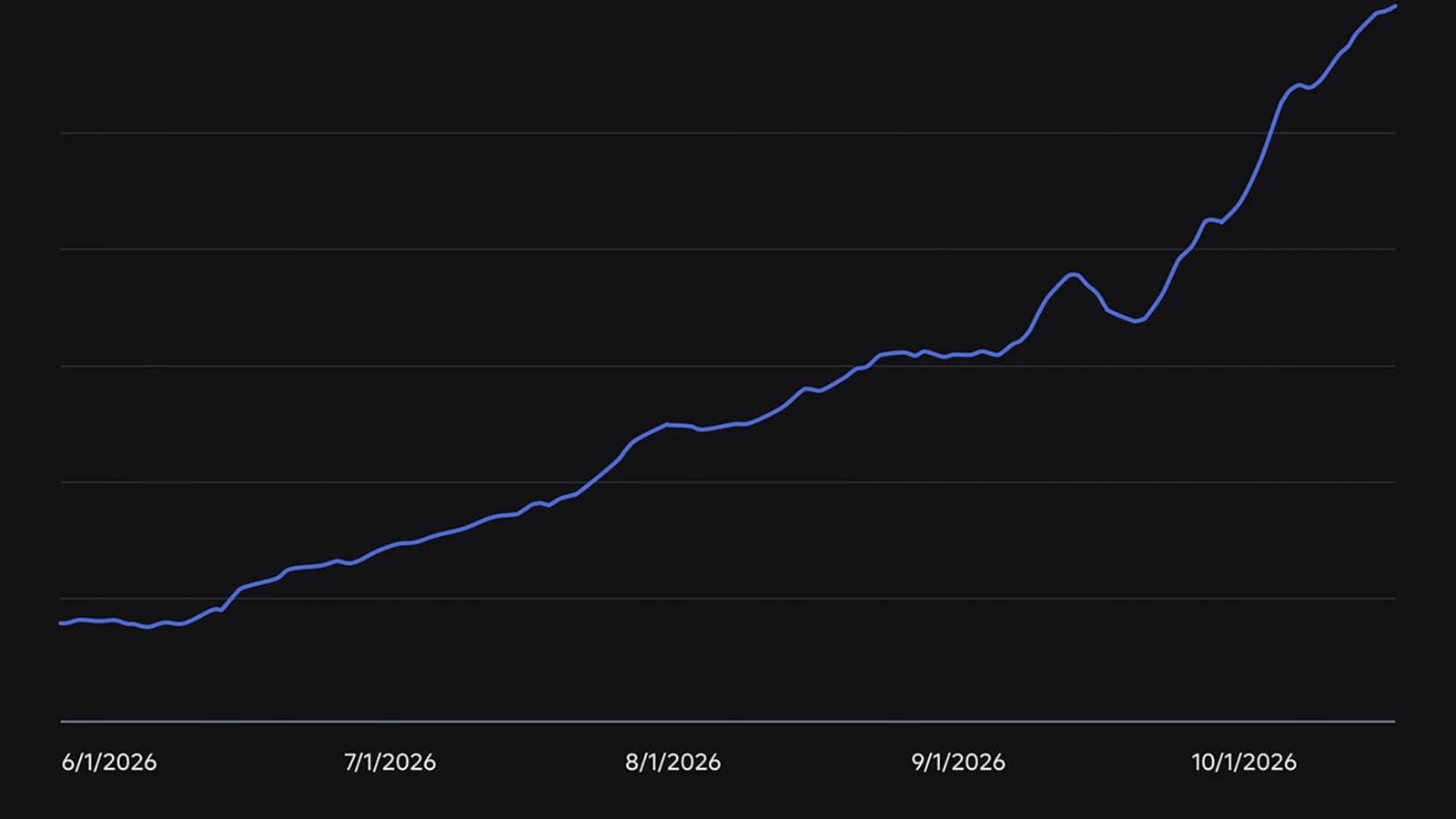
The Studio MCP server. Studio power users can bring the AI agent of their choice, such as Claude Code or Codex, and securely connect it to their Studio session through our server built on the open Model Context Protocol (MCP). Since June 30, time spent using AI tools has tripled among our top creators, and daily active users of the MCP server have grown nearly fivefold.
We’ve since shipped a Codex plug-in and will continue expanding and improving MCP support. Soon, we plan to expand MCP access so that an agent can do anything in Studio that a creator can do by hand. Creators will decide what agents can do and how much access the models get.
Build. Roblox started as a place to learn, andBuild carries that forward. Describe a game, and Build creates it for you to play with friends. More than 500,000 people in New Zealand, Singapore, Serbia, and Thailand have tried Build in public alpha, publishing over 70,000 games. It’s now available to eligible users in Canada and will launch in the U.S. later this year and worldwide early next year.
For experienced creators, Roblox Assistant in Studio offers agentic tools to plan, build, and test games. Over time, we plan to bring Assistant and Build together into a single experience, so creators can start a game on their phone, keep building on desktop, and grow from first prompt to full production without switching tools.
What Comes Next
Two initiatives extend this further. Roblox Everywhere, announced earlier this year, will let creators ship their games as standalone apps across mobile, PC, and console, with Roblox powering the technology underneath. We’re also exploring an AI-based import capability, which we’re calling our universal player, that could bring existing console, PC, and mobile games to Roblox. We hope to share more about these initiatives soon.
Next year will reshape how games get made. But games will still succeed the way they always have: by attracting players who find something they love, bring their friends, and come back tomorrow. More people than ever can make games. Roblox is where those games find their players.
Our creator ecosystem includes many hobbyists. Of the millions of creators monetizing on Roblox, over 42,000 are part of our DevEx program, with the median creator receiving approximately $1,500 USD during the 12 months ended June 30, 2026.