B2B Black Friday deals are growing
Once upon a time, leveraging seasonal events like Black Friday and Cyber Monday was considered a pure B2C play. Every November, brands and retailers would unite in their desire to push promotions, capture massive waves of consumer intent before the end-of-year holiday season — and sell, sell, sell. For many brands, the holiday shopping season can represent as much as 20% of annual retail spending.
The holiday season has become too great an opportunity for B2B companies to miss. According to DHL’s global research, B2B organizations are increasingly participating in Black Friday-like events, 63% reported higher Black Friday sales year over year and 48% outperformed a typical selling period.
What exactly are these B2B companies doing? They’re using strategies that we, as consumers, know all too well: Time-limited promotions to create urgency, exclusive offers for loyal customers and bundled deals to boost average order value. They are increasingly departing from standard eCommerce flows and embracing “B2C-like experiences” that B2B buyers are familiar with when purchasing products as consumers.
Of course, many B2B organizations playing the BFCM game have been selling directly to consumers through D2C models. Manufacturers of commoditized products targeting consumers are nothing new, nor is the strategy of offering promotions and deals during sales events. What’s relatively novel is that outperforming manufacturers are making this possible for B2B buyers. And why shouldn’t they?
This inevitable consumerization of B2B transactions and relationships has been a long time coming. From personalization to loyalty, the organizations poised to win are those that can see their buyers as consumers — and tap into B2C lessons in the B2B context.
This BFCM season, let’s look at what some real B2B organizations have learned from B2C — and how companies like Tekton, Viewrail, NXP and Coflex are applying those lessons to transform digital selling during BFCM and beyond.
Lesson #1: Performance and scalability — the BFCM stress test
In B2C, it’s a given that your platform must scale under pressure. A flash sale or viral promotion can send traffic surging in minutes. B2B might not see the same kind of spontaneous spikes — but their version of “Black Friday” happens all the time: Seasonal ordering surges, end-of-quarter bulk purchasing pushes or large-scale promotions targeting key accounts.
Modern B2B buyers expect transactions to just work — no delays, no downtime, no broken checkouts. And that requires infrastructure built for scale and designed for peace of mind.
Take Viewrail, a manufacturer of custom stair and railing systems that serves both professional builders and DIY consumers.
Their legacy platform made it difficult to run time-sensitive promotions or support heavy traffic during key selling seasons, such as Memorial Day. Moving to a modern commerce architecture allowed them to handle those surges effortlessly — and to finally run online B2B promotions that feel as seamless and dynamic as any consumer brand. With a scalable solution that increases capacity to meet customer demand, the company can now fully monetize those big buying moments.
When performance is consistently reliable, marketing teams gain the confidence to experiment. Promotions can go live instantly. Campaigns can scale globally. And customers — whether B2B or D2C — feel the smooth, fast and reliable experience they associate with top-tier retail brands.
Lesson #2: Intuitive experiences & self-service — the “Amazon effect”
Amazon reshaped consumer expectations of eCommerce, as every buyer now expects instant access, transparent pricing, fast reordering and frictionless self-service.
In B2B, these elements have also become a non-negotiable part of the purchasing experience. Buyers at SMBs and enterprises alike don’t want to fax an order form or wait for a quote. They want to log in, see accurate inventory and their personalized pricing, and complete their purchase in minutes.
NXP is a standout example. Traditionally, their small and mid-sized business (SMB) customers faced a multi-week, paper-based account setup process, which is common for business purchases. Today, NXP’s fully automated system can perform a credit check and create a live trading account for a new business customer in as fast as 20 seconds.
In addition, their new B2B self-service portal — offering easy ordering, order history, invoices and returns — led to a 92% drop in customer service inquiries. Marketing and B2B promotions can now launch twice as fast, enabling NXP to deliver consumer-style simplicity at industrial scale.
That’s what B2C-like efficiency looks like in B2B: Automation that eliminates friction, empowers buyers to self-serve and frees internal sales and support teams to focus on growth instead of admin.
Similarly, BIC, the global leader in stationery, lighter and shaver markets, transformed the buying experience for its distributors in the Middle East and Africa with a digital B2B portal featuring “quick order” functionality and a container/pallet volume calculator to optimize and estimate shipping and taxes instantly. The result? A faster and more transparent process that mirrors what those same buyers experience in their personal shopping lives.
Lesson #3: Dynamic promotions & personalization — from loyalty to lift
The best B2C brands excel at personalization, tailoring offers, pricing and content to drive higher conversion and loyalty. B2B organizations are catching on fast, leveraging modern promotion engines and data insights to create experiences that feel one-to-one.
Tekton, a manufacturer of hand tools, took a page directly from the D2C playbook for its B2B buyers. They launched a creative rewards program that offered a 10% credit toward future purchases, increasing lifetime customer value and turning a standard discount into a long-term loyalty driver.
The results were impressive: Higher repeat purchase rates, increased lifetime value and stronger customer engagement. Tekton’s team noted that their B2B buyers expect and deserve the same kind of emotional payoff and ease they get when shopping for themselves.
Coflex, the leading manufacturer in the plumbing sector, achieved significant revenue growth by building a B2C-like B2B portal that enables hybrid selling: Today, sales reps are no longer just “order takers.” They’re merchandisers, running campaigns and personalized promotions that deepen relationships and drive growth. As a result, 80% of customers and 89% of the sales force have adopted the new portal.
Lesson #4: Inspiration & emotion — The rise of “edutainment” in B2B
B2C brands know the power of storytelling and inspiration. From Apple’s product launches to Nike’s motivational ads, emotion drives conversion. B2B has lagged here — focusing on specs instead of stories — but that’s changing fast.
Dawn Foods, a global bakery ingredients manufacturer, recognized that its customers — professional bakers — are driven by both creativity and cost. They introduced inspirational, “edutainment” content to their digital channels, including recipes, trend guides and creative showcases.
This shift made their eCommerce experience more consultative and engaging. The impact was huge: 75% of their buyers now use the online channel, and online sales grew triple digits.
Lesson #5: Personalization at scale — when one size doesn’t fit all
Another major B2C takeaway: Not all customers want the same thing. Segmentation and customization matter. In B2B, this is often about tailoring experiences for different accounts or verticals — but the principle is the same.
Cargo Crew, an Australian uniform supplier, built custom, co-branded websites for strategic clients — each with personalized assortments, pricing and branding, reflecting both entitlements and preferences. The result: a 34% uplift in online revenue and an estimated 2,000 hours saved in client service and admin time.
And Loomstate demonstrates how far this approach can go. They operate both B2B ordering sites (for corporate clients, such as Chipotle) and B2C merchandise sites (for consumers who love those brands). This multi-frontend model lets them serve two very different audiences with equal polish and ease — a quintessentially B2C skill applied brilliantly to B2B.
What’s next: Making complex B2B purchasing faster with AI
B2B purchasing doesn’t always start with a neat digital shopping cart. Buyers often send requests by email, PDF, spreadsheet or even a physical list, leaving sales teams to manually translate those requests into quotes or orders. AI can now help remove that friction.
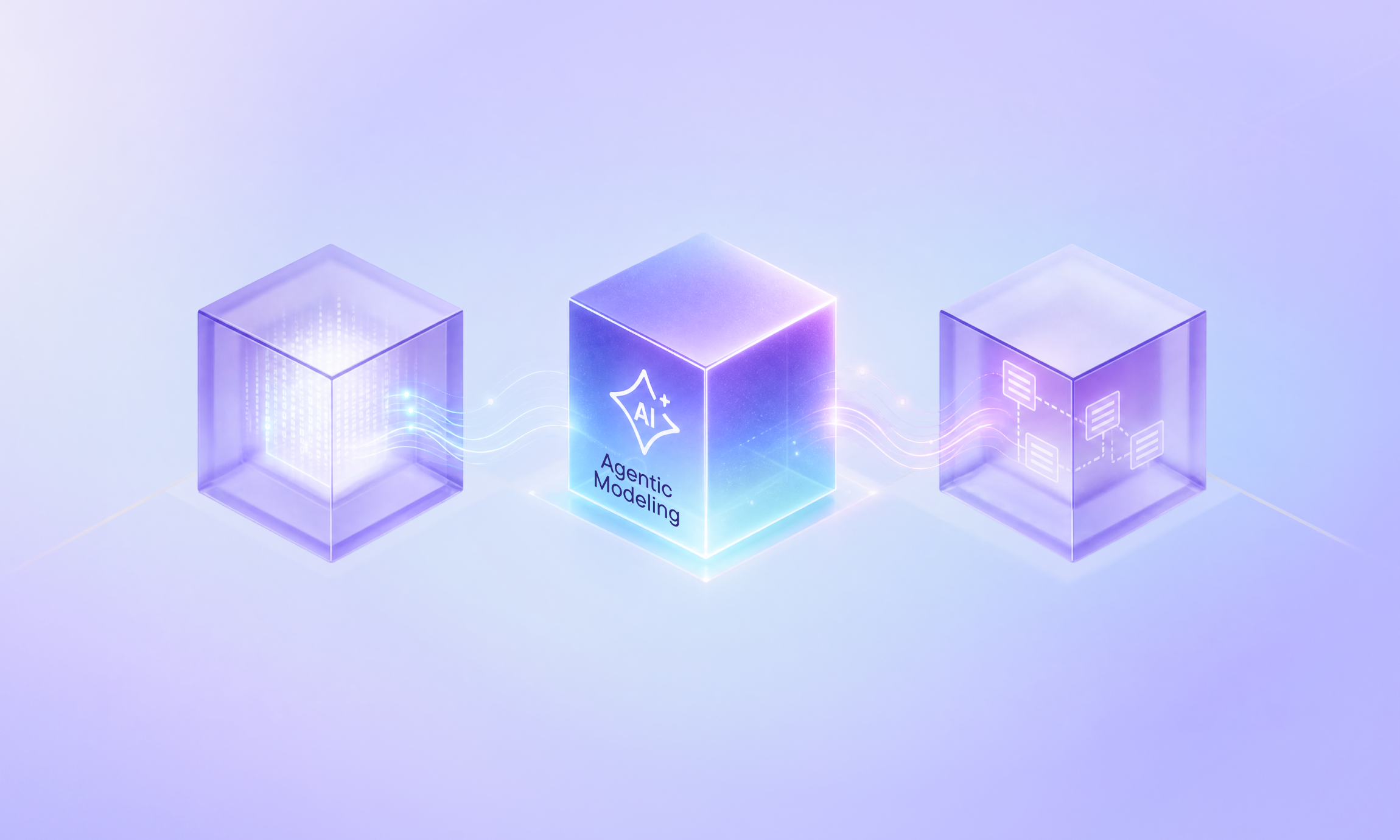
The commercetools B2B Intake Agent turns unstructured buyer requests into structured quotes and carts, automatically matching products, quantities, customer accounts and pricing. What can take hours or days can happen in minutes, helping sales teams respond faster while giving buyers a more seamless purchasing experience.
The capability was developed in collaboration with Mirion Technologies, whose complex B2B purchasing workflows helped shape the solution. It’s a practical example of how AI can make even highly complex business purchasing faster and easier, without requiring buyers to change how they submit their requests.
And during Black Friday and Cyber Monday, when promotions can drive a surge in B2B purchasing activity, that speed matters even more. An AI intake agent can help sales and commerce teams process a higher volume of purchase requests without adding the same level of manual effort, keeping the buying experience fast and responsive during peak demand.
Scalable growth for B2B Black Friday sales
B2B companies that thrive today don’t think of themselves as “business-only.” They recognize that every B2B buyer is also a consumer shaped by the same digital expectations: Speed, simplicity, transparency and inspiration.
However, for B2B, these expectations play out differently and must be relevant to their more complex context. Traffic spikes might not be as spontaneous as a BFCM flash sale, but they’re just as intense, driven by seasonal promotions, end-of-quarter pushes or high-volume bulk procurement cycles that test both digital platforms and inventory systems. These surges require real-time inventory visibility and accuracy to prevent overselling, ensure fulfillment readiness and process large carts packed with complex, multi-SKU orders smoothly.
The lesson from BFCM is clear: Whether you’re selling to consumers or corporations, your commerce engine must be built for scale and designed for both customer experience and complexity management
The same flexibility and scalability that allows B2C brands to handle the chaos of Black Friday and Cyber Monday is now also redefining success in B2B. The ability to launch multi-tiered B2B promotions, activate rep-assisted portals and deliver seamless ordering experiences every day of the year is no longer a nice-to-have — it’s a growth driver.
Is your B2B company ready to take advantage of Black Friday and Cyber Monday? Here’s how to prep for the holiday season with commercetools.
FAQs
B2B companies can prepare by ensuring their commerce platforms can handle increased traffic, larger order volumes and complex purchasing scenarios. Scalable infrastructure, real-time inventory visibility, reliable checkout and automated workflows help maintain a smooth experience during peak periods. Self-service capabilities can also reduce pressure on sales and customer service teams.
B2B companies can handle peak traffic using commerce platforms designed to scale with demand. Seasonal promotions, end-of-quarter purchasing and bulk orders can put significant pressure on commerce and inventory systems. Scalable infrastructure and real-time inventory visibility help keep ordering responsive while preventing overselling and supporting large, complex orders.
B2B companies can improve the Black Friday experience by making purchasing faster, simpler and more transparent. Buyers increasingly expect self-service ordering, personalized pricing, accurate inventory information and easy reordering. Automation and AI can further reduce friction, helping buyers move from product discovery or an initial request to a completed purchase more efficiently.
Personalization makes B2B promotions more relevant by tailoring offers to individual customers and accounts. B2B buyers may have different pricing, assortments, entitlements or purchasing requirements, so a one-size-fits-all promotion is often less effective. Personalized promotions and loyalty programs allow companies to apply familiar B2C tactics while adapting them to the complexities of B2B relationships.
AI can automate manual steps in the B2B purchasing process, helping teams handle higher volumes during peak periods. For example, the commercetools B2B Intake Agent can turn unstructured requests from emails, PDFs or spreadsheets into structured quotes and carts. This reduces manual work for sales teams and helps businesses respond faster when Black Friday promotions increase purchasing activity.