From conversational commerce to agentic checkout
Agentic commerce has arrived as the natural extension of conversational shopping experiences, enabling consumers not only to describe what they want in natural language but also to order products without breaking the flow. This works very well in theory, but in practice, shoppers who started their journey on an AI interface had to jump to another channel for checkout.
This is because there has been no standard for how AI agents and eCommerce websites should interact and share information.
Then Google released the Universal Commerce Protocol (UCP) in January 2026 to solve this fundamental problem. UCP is the missing link that orchestrates checkout, payment and fulfillment on agentic platforms.
More recently, Google’s Universal Cart has been live since October for US shoppers across Search, AI Mode and Gemini, following its announcement in May. Powered by UCP, Universal Cart brings products from different retailers together into a single shopping experience. But what happens after a shopper clicks “Add to cart”?
There are two possible checkout journeys:
- Universal Cart transfer allows shoppers to move their selected products from Google to the retailer’s website, where they complete the purchase using the merchant’s existing checkout experience.
- Native checkout enables shoppers to complete their purchase directly within Google, using Google Pay. In both cases, UCP connects Google’s shopping experience with the retailer’s commerce infrastructure, giving merchants a way to participate in AI-driven shopping while retaining control over key aspects of the transaction.
The distinction matters for retailers: Whether a transaction happens on Google or is transferred to a merchant’s own website has implications for the checkout experience, customer relationship and level of control. Understanding how UCP enables both options is key to preparing for this new era of commerce.
What is the Universal Commerce Protocol (UCP)?
UCP is an open protocol that allows AI agents and merchants to exchange information and facilitate secure transactions on behalf of a buyer. UCP establishes a shared language for customers, agents and retailers to support a standardized commerce ecosystem regardless of the customer interface, payment provider or merchant.
UCP is designed to:
- Standardize merchant-agent communication.
- Enable AI agents to act on a customer’s behalf in commerce flows, such as placing an order or checking on a shipping status.
- Support a secure, interoperable checkout experience regardless of platform or payment provider.
- Reduce integration complexity for merchants.
What UCP is not
Agentic commerce represents a big shift, but it’s important to recognize what UCP is not.
- UCP is not a marketplace for Google. Retailers remain the merchant of record and retain full ownership over the customer relationship, pricing, inventory and fulfillment logic. UCP is a free, open protocol with no transaction fees.
- UCP is not a replacement for storefronts. Agentic commerce is a complementary channel, not a substitute for marketplaces or your own direct-to-consumer website.
- UCP is not a payment provider. UCP doesn’t process or store raw payment credentials. Payments are handled via regulated payment providers using tokenization and secure delegation.
UCP vs. MCP
UCP is compatible with existing industry protocols, such as Agent2Agent, the Agent Payments Protocol and Model Context Protocol (MCP). UCP shares similarities with MCP, but differs in purpose and scope.
While MCP is designed to give AI models structured access to tools, APIs and context across tools and websites, UCP is built for commerce. MCP is the foundational integration layer that allows AI agents to connect to systems, while UCP can operate alongside or on top of MCP frameworks.
Why UCP matters for brands and retailers
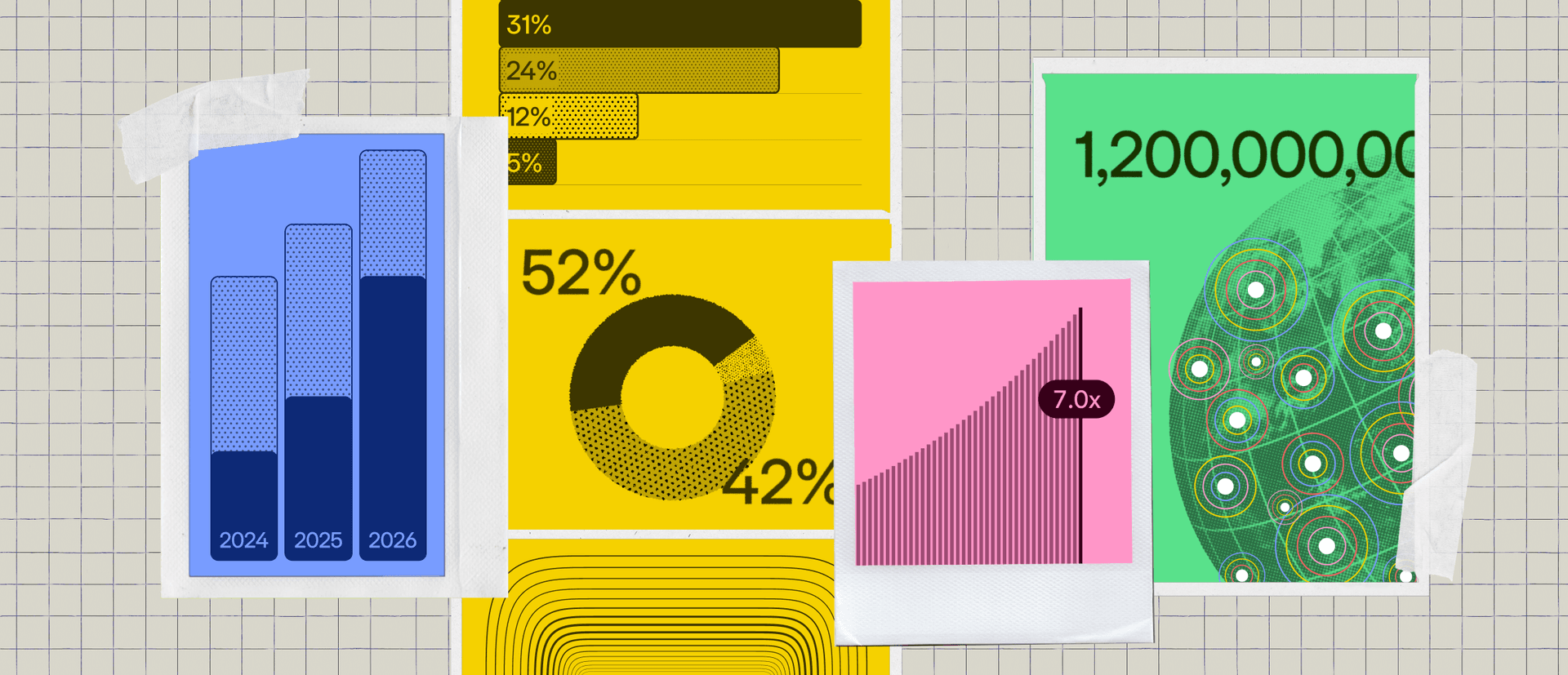
AI is rapidly becoming a new product discovery and shopping channel, changing how consumers research, compare and buy products. According to McKinsey’s October 2026 research, more than 50% of global consumers now use AI for shopping, and AI search is three times more influential than traditional search among AI users.
The shift is moving beyond research and recommendations towards transactions. In the US, the rate at which AI users completed purchases through AI increased 70% year over year, according to McKinsey. Meanwhile, Adobe data reported by EMARKETER found that AI-referred visitors converted at a 90% higher rate than non-AI visitors in September 2026.
This is where the Universal Commerce Protocol (UCP) comes in. UCP provides an open standard that connects AI platforms with retailers’ existing commerce infrastructure, enabling product discovery, checkout and other commerce interactions without requiring retailers to replace their existing systems or giving up control over their business logic, customer experience and merchant relationship.
Google’s Universal Cart demonstrates how UCP can translate into a more seamless shopping experience, creating another route from discovery to purchase.
Opportunities in agentic commerce using UCP
There are many benefits to selling through agentic commerce:
1. Gain a new discovery and sales channel. Make products discoverable and purchasable through AI platforms as they become an increasingly important interface alongside search engines, marketplaces and social media.
2. Reach high-intent customers. AI-powered shopping helps consumers narrow down options based on specific needs, preferences and budgets. These shoppers may arrive at a product or retailer later in the decision-making journey.
3. Maintain merchant control. Despite the new buying interface, retailers retain control over core business logic, pricing, inventory, fulfillment and their merchant relationship. UCP also supports customized checkout experiences, allowing brands to preserve important requirements and processes.
4. Build on existing commerce infrastructure. UCP is designed to integrate with existing retail systems rather than replace them. Retailers can connect their commerce backends to AI platforms through standardized integrations, extending their existing capabilities to new shopping channels.
5. Enable new AI-powered shopping experiences. Beyond third-party AI platforms, UCP’s open and extensible architecture can support new conversational commerce experiences, including retailer-owned AI shopping assistants that help customers discover, compare and purchase products.
Turn Google’s Universal Cart into sales
commercetools helps you connect to Google, starting with cart transfer and preparing for native checkout, using the commerce capabilities you already run.
Challenges and concerns
Of course, this new paradigm means that consumers will interact with your brand in a significantly different way. Some shoppers using agentic commerce may complete their purchase without ever visiting your website. (AKA, zero-click commerce). This raises legitimate questions, such as:
With Google’s native checkout, payments are processed through Google Pay, which uses tokenization to protect card details rather than exposing the underlying card number to the AI agent or merchant. With Universal Cart transfer, customers complete their purchase on the retailer’s website using its existing payment and checkout experience. Both approaches give shoppers a familiar way to pay without requiring them to share raw payment details with an AI chatbot.
No. UCP doesn’t mean handing over your entire customer experience to an AI platform. With Universal Cart transfer, shoppers are redirected to your website to complete their purchase using your existing checkout, branding and offers. Native checkout offers a more integrated experience within Google’s platforms, but retailers remain the seller of record and retain responsibility for fulfillment, returns and customer support. The key is that UCP creates an additional sales channel rather than requiring you to replace your existing eCommerce experience.
With Universal Cart transfer, the retailer’s existing fraud checks apply as normal, because checkout happens on its own site. With native checkout, Google shares risk signals at checkout, and commercetools Agentic Commerce passes them to the retailer’s own fraud system, which can approve or reject each transaction. Google Pay also replaces card details with tokens, so the merchant never receives the actual card number.
Yes. Retailers’ existing pricing and promotions can apply across both checkout journeys, allowing shoppers to benefit from relevant offers when purchasing through AI platforms. Loyalty integration is more straightforward with Universal Cart transfer, where customers can use their existing retailer accounts and loyalty benefits at checkout. Native checkout loyalty capabilities are still evolving, so retailers should assess which membership, rewards and personalization features are supported by their specific integration.
Google and its collaborators created UCP as the infrastructure to address these concerns. By standardizing protocols and enabling an extensible architecture, UCP lays the foundation for secure, customizable transactions — no matter where they occur.
How agentic commerce works with UCP
In an agentic commerce flow, UCP enables a structured flow in which AI agents can safely act on behalf of users. At the same time, merchants retain control of their commerce logic and pricing.
In the past, shoppers conducted product research online via search engines or social media, then navigated to a marketplace or the retailer’s website to complete a purchase. Now, consumers may use an AI tool as their shopping interface end-to-end, from discovery to purchase. The AI agent handles product discovery across merchant feeds, recommendations, comparison and checkout orchestration through UCP endpoints.
This is where Google’s Universal Cart comes in. Users can add products from different merchants across the web to one Google cart, then check out with each merchant, either on the merchant’s own site or directly in Google. Behind the scenes, the cart checks for deals, price drops and compatibility with other products.
Here’s how UCP facilitates transactions in agentic commerce:
1. User intent: A user expresses purchase intent to an AI assistant, e.g., “Find a wireless keyboard under $100.”
2. Product discovery: The agent reads your product descriptions, use cases, reviews, and live pricing and inventory. Basically, all the homework your customers used to do, and chooses whether to recommend it. UCP standardizes this through API, MCP or Agent2Agent.
3. Checkout initiation: When the user clicks “buy,” the merchant creates a checkout session. Through a modular design, UCP is built to support multiple payment providers. On Google today, payment runs through Google Pay.
4. Payment authorization: UCP enables a secure, tokenized payment mechanism from the payment provider, allowing the agent to initiate payment without exposing sensitive card data.
5. Order completion: The merchant remains the seller of record and handles payment capture, fulfillment and post-purchase flows.
On Google’s Universal Cart today, this happens in two ways: Universal Cart transfer, where the shopper completes the purchase on the retailer’s site, or native checkout with Google Pay inside Google.
How to navigate UCP with commercetools
UCP promises unified integration, standardization and secure agent transactions. However, the technical integration gap is the biggest hurdle for most merchants. You shouldn’t have to rebuild your commerce stack every time a new protocol comes out. commercetools positions businesses for innovation and agentic commerce with a modular architecture that grows with the industry.
commercetools Agentic Commerce helps brands:
- Onboard with AI commerce platforms.
- Prepare their product data for AI search.
- Publish readable product catalogs with real-time pricing and inventory.
- Manage checkout APIs and order management.
- Integrate payment providers.
- Orchestrate full transaction logic across AI channels.
In addition, commercetools Agentic Commerce supports UCP product feeds, Universal Cart transfer and Native checkout across Google’s Search, AI Mode and Gemini.
How to prepare your commerce infrastructure for UCP
With Google’s Universal Cart now live, agentic commerce is moving from experimentation to practical implementation. Retailers don’t need to overhaul their eCommerce infrastructure overnight, but they should start preparing now. Here are five practical steps:
1. Audit your Google Merchant Center setup. Ensure your account is active and in good standing, product listings are approved, and product feeds, pricing, inventory and return policies are accurate and up to date.
2. Make your commerce infrastructure API-first. UCP relies on APIs to connect AI platforms with retailers’ commerce systems. Ensure your platform can expose product, cart, pricing, inventory and checkout capabilities. An API-first platform like commercetools makes it easier to connect new capabilities without rebuilding your existing infrastructure.
3. Make your product data AI-ready. Provide structured, detailed and accurate product information, including descriptions, attributes, variants, pricing and real-time inventory. Enrich product content with use cases and benefits to help AI platforms understand and recommend your products.
4. Choose your checkout approach. Decide whether to support Universal Cart transfer, where customers complete purchases on your website, native checkout within Google’s experience, or both. Each requires different API capabilities and integration work. Note that retailers can prepare their infrastructure and apply to participate, but Google ultimately controls access to its UCP-powered checkout.
5. Understand Google’s onboarding requirements. UCP implementation doesn’t guarantee access to Google's checkout. Merchants must submit an interest form, be selected and complete Google's technical validation and onboarding process. commercetools agentic commerce handles the technical UCP setup, so your team can focus on Google’s application and validation steps.
Turn Google’s Universal Cart into sales
commercetools helps you connect to Google, starting with cart transfer and preparing for native checkout, using the commerce capabilities you already run.
FAQs
UCP is an open protocol that enables AI agents and merchants to securely exchange commerce data and complete transactions.
UCP standardizes communication between AI agents, merchants and payment providers to enable seamless AI-driven shopping and checkout.
Yes. Merchants can define product availability, pricing rules and checkout logic for AI-driven commerce channels.
Brands should adopt API-first commerce infrastructure, optimize structured product data and publish real-time inventory and pricing feeds.
commercetools enables brands to integrate with UCP through our Agentic Commerce solution that enables businesses to structure product data for AI discovery, manage checkout and order workflows, integrate payment providers and orchestrate AI commerce experiences across channels like Google’s Search, AI Mode and Gemini.