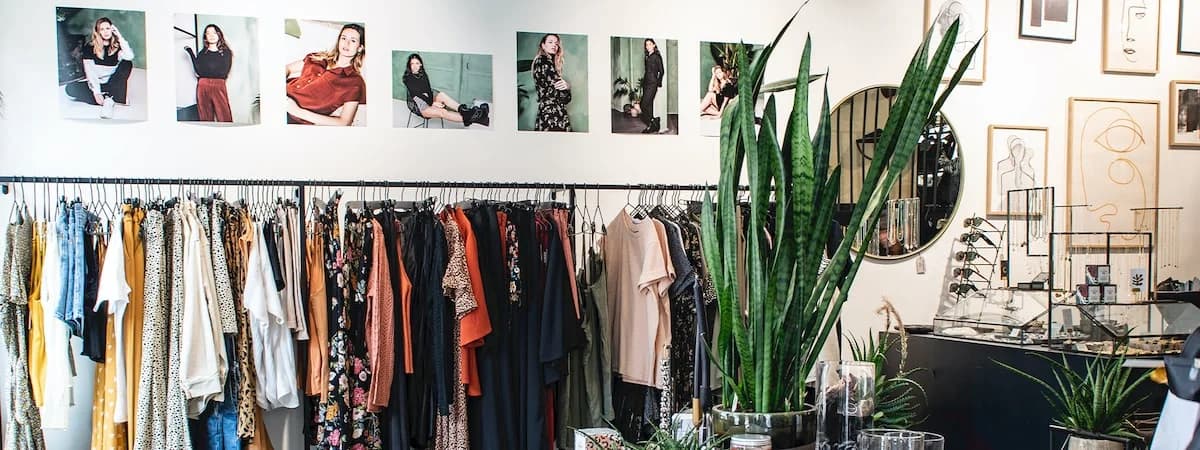
Who doesn’t love the feeling of a good pop-up shop purchase?
There’s something exciting about nabbing a rare product from a pop-up shop. And it feels good to support small businesses, instead of the top end of the retail town.
And for newbie retail business owners and seasoned ecommerce entrepreneurs alike, pop-up stores can be a great way to take your business to the next level.
Right here, we’re going to take you through some tips to give your pop-up shop the best chance of success. We’ll look at:
- What is a pop-up shop?
- Why should you start a pop-up shop?
- Types of pop-up shops
- Benefits of running a pop-up shop
- How much does it cost to start a pop-up shop?
- How to choose the best pop-up shop location?
- Pop-up shop ideas
- How to set up a memorable pop-up shop?
- Who can open a pop-up shop?
- 11 tips on how to have a successful pop-up shop
- Legal considerations for pop up shops
- Could pop-up shops work for you?
- FAQs about pop-up shops
First, let’s explain what pop-up shops are, for any of you first-timers reading this.
7 ways to run your retail store smarter this year
Learn how to thrive with the right technology and approach to customer experience.
What is a pop-up shop?
A pop-up shop is a temporary store. You open it up for a finite period of time.
For example, you can open your pop-up shop for a few months in a mall or for as little as a day at an outdoor event, like a community festival or market. Pop-up shops give experienced and beginner retailers the opportunity to:
- Trial new product lines
- Meet customers in person
- Learn who your products appeal to
- Test marketing and branding tactics
- And nurture relationships with leads.
Why should you start a pop-up shop?
Ray Ko, the senior ecommerce manager of ShopPopDisplays, believes pop-up stores have become more relevant during the pandemic too.
“The great thing about operating from a pop-up store during this pandemic is that it removes the pressure to engage in a long-term lease,” said Ko.
“Without the hassle that comes with a traditional store, you can showcase your product, build brand awareness and extend a human connection to your consumers with your physical presence,” he added.
This leads us to another question, for budding retail entrepreneurs and long-term retail business owners.
Should new and more experienced retailers approach pop-ups differently?
“The best moment to plan a pop-up store is when the store owner is looking to reach a new audience and gain brand exposure,” suggests Patricia Lopez, the founder of Dirt Pitch Apparel, an ecommerce brand that focuses on sportswear apparel inspired by retro soccer culture.
“Doing it immediately after starting up might be tricky and dividing your attention at such an early stage might end up damaging your store.”
Pop-up shops can come in many different formats, each serving a specific goal–from introducing a new product or meeting customers in person to making the most of a busy holiday shopping season. If you’re wondering what would work best for you, we’ve outlined the main types of pop-up shops below, along with the benefits and ideal use cases for each.
Seasonal pop-up shops
These are short-term shops that appear around holidays (like Easter, Halloween or Christmas) or peak seasons and disappear when the season ends. Holiday markets, festive retail activations and back-to-school shops are just a few examples to mention.
Seasonal pop-up shops might be ideal for clearing stock, testing holiday collections or simply boosting revenue during peak shopping periods.
Product launch pop-ups
As the name suggests, these are all about introducing new products and creating buzz around them. A product launch pop-up store gives customers a place to see, try and experience a new product firsthand. For example, a skincare brand might offer product demonstrations and samples.
Besides introducing new products, these pop-up shops help generate excitement and anticipation, create exclusive experiences around launches and encourage social sharing. At the same time, brands can get valuable real-time customer feedback before wider distribution.
Event-based pop-ups
Event-based pop-up shops bring a brand to places where a large, primed audience has already gathered, like music festivals, sporting events, trade shows or local community fairs. When the goal is to meet potential customers face-to-face, test a new market or gain access to a highly targeted audience that fits your core demographic, this is the format to opt for.
Brand awareness pop-ups
Brand awareness or experiential pop-ups are designed around brand perception and memorable brand experiences over immediate sales. The goal is to make a specific kind of impression and engage customers–not to move inventory. These setups help customers immerse in the brand’s story and form a stronger connection with it. Plus, brands can use these pop-up shops to drive user-generated content.
Mobile pop-up shops
A mobile pop up store can be set up in trucks, trailers, vans, modular shipping containers or lightweight kiosks that can easily move between locations. Mobile pop-ups are excellent for reaching different neighborhoods and testing new locations without being tied to one spot. Better yet, this setup can dramatically cut overhead costs. Naturally, mobile pop-ups work best when your products are easy to transport.
Benefits of running a pop-up shop
While perks for customers are quite obvious, let’s now take a closer look at the benefits of running a pop up store for retailers.
1. Test new markets
First of all, a pop-up shop can act as a low-risk, low-commitment pilot before you decide to commit to a permanent location and invest in a long-term commercial lease. With a pop-up shop, you can try selling in a new city or neighborhood and test demand, foot traffic and customer fit in the new market.
2. Support new product launch
Whenever you launch a new product or a product line, leveraging pop-up shops is a great way to support your marketing initiatives. This is where your customers get a chance to see, try, taste or experience a new product in-person and build early interest. And what’s more, it removes the hesitation that often comes with buying unfamiliar products online.
3. Increase brand awareness
Running pop-up shops can help you increase brand visibility and awareness. This works particularly well in high-traffic retail areas, giving you an opportunity to introduce your brand to potential customers who might otherwise not have discovered you online. The key is to choose a location or event that matches your target audience.
4. Generate immediate sales or clear stock
Pop up stores can drive immediate sales because customers can see, try and experience products right on the spot. Their limited-time nature also creates urgency and FOMO, accelerating purchasing decisions. On top of that, brands often use pop-ups to move seasonal overstock or deadstock that might otherwise sit unsold.
5. Collect real-time customer feedback
Lastly, pop-up shops can provide you with a ton of valuable insights because you’re going to have direct face-to-face interactions with your customers. You can get immediate customer reactions to your products and pricing, hear objections and capture feature requests. This feedback can then inform your upcoming product iterations and marketing campaigns.
How much does it cost to start a pop-up shop?
The cost of starting a pop-up shop heavily depends on the format you choose, location, venue and duration. And because these factors can vary so much, it’s nearly impossible to provide a relevant estimated cost for opening a pop-up store. But here’s the breakdown of the major costs involved:
- Venue rental
- Permits, licenses and insurance
- Inventory
- Staff salaries
- Décor and design
- Lighting and fixtures
- Mobile POS system and payment terminal
- Indoor and outdoor signage
- Marketing and promotion
Overall, however, opening a pop-up store is still considerably cheaper than opening a traditional physical storefront–and the financial risk is much lower as well.
How to choose the best pop-up shop location?
Selecting the right location for your pop-up store is one of the most critical factors for success. Pick the wrong corner, and you’re setting yourself up for failure. Here are some helpful tips on finding space for your pop-up shop:
- Identify your target audience. Define who exactly you want to reach to narrow the list of potential locations.
- Evaluate foot traffic. When figuring out how to do a pop-up shop outside, evaluating foot traffic is step one. Visit the location at different times and days. Do people actually slow down and browse, or are they just passing by in a rush?
- Consider nearby businesses. Set up near non-competing shops that can potentially attract your target audience.
- Check rental costs. Compare rent across potential locations, but remember that rent is never the whole bill.
- Take into account visibility and easy access. If potential customers can’t easily see and access your pop-up shop, all your hard work goes to waste. Ground-floor spaces are almost always your best bet.
- Review permits and local regulations. A great space is useless if the city won’t let you operate there. Zoning laws and commercial regulations may vary neighborhood by neighborhood–and they determine your real options before anything else.
Pop-up shop ideas
Ready to open a pop-up store but need some inspiration to get started? Below, we’ve listed some pop up shop ideas that you can implement:
A store within a store
As a starting point, you can partner with another retailer to set up a pop-up shop within their store. Ideally, you’d want to work with a brand that sells similar or complementary products. This way, you get a move-in ready space that requires minimal setup on your end. For example, a local jewelry maker could set up a weekend pop-up shop in a clothing boutique.
A multi-brand collective pop-up
Alternatively, you can team up with a few (3 to 5) non-competing brands to co-rent a larger pop-up storefront that would be too expensive for a single small business. This basically turns your pop-up shop into a mini-department store that benefits every vendor involved.
A themed pop-up shop
Setting a seasonal pop-up store tied to major holidays or cultural moments is a proven strategy that works particularly well with certain product types, such as skincare. For Valentine’s Day, for example, you can offer customers ready-made baskets and sets that make perfect last-minute gifts and turn foot traffic into fast sales.
A pop-up on wheels
We’ve already mentioned mobile pop-ups earlier. Instead of waiting for customers to find you, you can take your inventory on the road in a branded trailer, camper or truck, without committing to a commercial lease. This mobile format lets you easily move between neighborhoods or cities and cover multiple locations.
How to set up a memorable pop-up shop?
Setting up a pop-up shop is only the first step–creating a truly memorable customer experience is what can help you drive engagement and sales. Let’s take a closer look at how to make a pop up shop stand out.
Get creative with merchandising
Wondering how to set up a pop up shop in a way that creates a memorable experience? Start with smart merchandising. Instead of simply putting your products on flat tables, you might want to use risers and open shelves to display items at different heights.
Nail the lighting
Lighting can set the entire mood of the room. Skip bright office bulbs and use warm lamps instead. Point spotlights directly at your featured products so they instantly grab visitors’ attention.
Offer an immersive experience
The more you engage your customers’ senses, the more memorable their experience at your pop-up will be. Give people the chance to touch, smell or taste your products firsthand before buying.
Design an “instagrammable” photo moment
Set up a photo-worthy installation that encourages customers to share online. For example, add a custom neon sign to a floral wall backdrop, and offer entry into a $100 gift card giveaway for anyone who tags your brand account in their Instagram story.
Turn it into a learning environment
Turn your pop-up shop into a learning environment that not only entertains customers, but also educates them. That could include mini classes, tutorials or workshops (e.g., a cookware brand might host 15-minute knife skill demos). That’s not only practical–it’s truly memorable.
Make checkout quick and effortless
Nothing ruins a great shopping experience like waiting in a long line. Use a mobile POS system so staff can ring up sales anywhere on the floor, take tap payments and text digital receipts right on the spot, without anyone having to wait in line.
Who can open a pop-up shop?
The short answer is: everyone. Pop-up retail works well for businesses at different stages. Whether you’re a small business just starting out or a retailer that’s already been successfully operating for years, both can benefit from opening a pop-up shop.
- Established retailers can test new markets, introduce new collections or create a limited-time experience.
- Ecommerce brands can bring online-only products to in-person shoppers and increase brand awareness.
- Artisans and artists can showcase handmade work, display their collections and reach more potential buyers.
- Food vendors and beverage providers can trial a menu, concept or new location and expand their reach.
- Startups can test demand, gather feedback and build awareness before investing in a permanent store.
- Seasonal businesses can open around holidays or peak buying periods to boost revenue or clear stock.
11 tips on how to have a successful pop-up shop
As we’ve talked about before at Lightspeed, the pop-up shop is no longer just a retail trend. It has become a useful tool in the toolbox of retailers who are keen to get face-time with customers, leads and other retailers.
Whether you’re opening a pop-up shop for just a day, or for a little bit longer, here are eleven tips to help you get the most out of the experience.
1. Scout your location
Prioritize high foot traffic areas like busy streets, shopping centers or popular markets.
Take note of the demographics of the area to ensure they match your target audience. For instance, a trendy fashion pop-up may thrive in a youthful, bustling neighborhood. Additionally, align your shop with local events or festivals to capitalize on increased visitors.
Always visit potential locations during different times to gauge foot traffic and ensure visibility.
2. Decide on your marketing strategies
Launching a successful pop-up shop requires more than just a great location and products; effective marketing is essential to attract customers and generate buzz.
Try reaching potential customers with more than one strategy. Here are three to consider:
Sell your pop-up shop on social media
- Engage early: announce your pop-up shop on social media weeks in advance. Use eye-catching graphics and videos
- Leverage stories and reels: use Instagram Stories and Reels to give behind-the-scenes looks and build anticipation
- Create event pages: set up Facebook events to invite followers and send reminders
Use email marketing campaigns to get the word out
- Pre-launch announcements: send teaser emails to your subscriber list announcing the pop-up shop with dates and locations
- Exclusive invites: offer exclusive early access or discounts to email subscribers
- Reminders: send reminder emails as the event date approaches, emphasizing special offers and what attendees can expect
Take advantage of some influencer partnerships
- Local influencers: partner with local influencers who align with your brand to promote your pop-up shop
- Collaborative content: have influencers create content (posts, stories, videos) about their experience at your pop-up shop
- Takeovers: allow influencers to take over your social media accounts for a day to share their visit and experiences live.
3. Pick your POS system
Flexible POS systems like Lightspeed enable swift and secure transactions, reducing wait times and improving customer satisfaction.
A pop-up shop POS needs to be as powerful as a standard POS—you’re still running a store, after all. Take Imagine Exhibitions, for example: their traveling exhibits are supported by pop-up shops everywhere they go. They need a POS that’s easy to train on, that connects with their NetSuite ERP, that connects them to their data and enables monitoring and management from anywhere. With Lightspeed, they get all that, no need to compromise.
No matter what you pick, make sure you can accept various payment methods, including credit cards, digital wallets and contactless payments, catering to diverse customer preferences.
Lightspeed also offers robust inventory management, ensuring that you always have accurate stock levels, even in a temporary setting. This helps prevent overselling and keeps customers informed about product availability.
4. Arrive early on the first day
Practice makes perfect, so get access to the physical space before the first day, if you can.
And if you can’t get there before the first day of your pop-up, get there early, to have plenty of time to set up. Some pop-up situations, like markets, may only give you an hour to ‘bounce in’. That doesn’t leave you much wiggle room for any last-minute challenges. So plan ahead.
For example, tables are often first-come, first-serve. Get there early to position yourself in a place where you know people will see your table.
Another tip: Always bring your own fold-up table. Many pop-up venues will provide tables, but if they don’t, bringing your own prevents some last-minute stress on your part.
5. Make your stock stand out
If clothes are your thing, you’ll need some clothing racks. If you don’t sell clothes, you’ll need other ways to properly display your items. Get creative. Think shelves, trays, boxes and other containers that will show off your products in the best light.
6. Separate your samples from your stock
You might be tempted to stack all your goods on a table or rack if this is your first-ever pop-up. Yes, that may make it a little easier to keep all the sizes there for your customer to browse and buy. But in these strange old times of ours, you probably don’t want folks touching too many items.
Spillages do happen at pop-up stores too, especially if your pop-up is located near a food market or café. Keep the majority of your stock behind you out of sight, but put some signage out to let everyone know you have more sizes available.
7. Select your pop-up products carefully
“The main ingredient for a successful pop-up store is a laser focus on product selection,” suggests Lopez. “If you set up your pop-up with many stock-keeping units (SKUs), it will feel overcrowded and messy. Instead, work around your main products, and be sure they tell a coherent story and make sense while displayed together,” said Lopez.
8. Get paid with cash and portable POS terminals
You’ll need a quick and easy way for people to pay you, too.
Companies like Lightspeed can help you accept and reconcile card payments while you’re on the go. More experienced retailers may want to go the whole hog, and use portable iPads and displays to show off their pop-up with some pizzazz. But start-up retailers can get by just as well with a portable POS system that will help you accept card payments, keep track of your inventory and reconcile your payments against the right SKUs.
And don’t forget cash. Yes, more and more people are using credit cards—70% of people prefer them—but that doesn’t mean a decent amount of people won’t buy with cash. In fact, many people assume that pop-up stores only accept cash. Think about getting a lockbox and having the right quantities of notes and coins on hand for giving people change.
9. Make checkout time memorable
What do you need to help people check out? You’re going to need bags. You could have tissue paper to wrap things. Branded bags, ideally, would be awesome. That way, when people move off, they have your bag with your brand on it. Other people may see it and it may spark some curiosity.
Giving some customers free samples or accessories is an effective way to engage them. It’s important to make sure that what you’re offering doesn’t hurt your profits too much. Giveaways might not work every time and it might be helpful to limit them to your first 20-30 customers.
If you have a flair for branding and marketing, then you could look at setting up drop sheets with backgrounds where people can snap a quick photo of themselves for Instagram or other social media channels. It doesn’t need to be complicated. It can be as simple as encouraging people to tag you on social media with a photo of their products or goodies.
10. Stay in touch with your leads
Pop-up shops are great for exposure and networking.
Hey, we get it, you want to make money. Especially if you’re paying to be there. But your number one goal should always be to create future leads.
Sometimes you won’t make as much as you thought you were going to make for that day. But networking is worth it.
- Give people business cards so they have an opportunity to look you up afterward, to follow you on your store’s social media channels and ultimately to remember you.
- You can also use thank you cards, for customers who walk away from your pop-up after making a purchase. Handwritten notes are great too.
- You can even offer pop-up customers a little discount for your ecommerce store, by providing promotional codes for purchases or newsletter sign-ups. Every little thing helps.
11. Conduct a post event analysis on your pop-up shop
After your pop-up shop concludes, conduct a thorough post-event analysis.
Start by tracking key metrics such as sales volume, foot traffic and conversion rates to measure performance. Compare these numbers to your initial goals to assess success.
Additionally, gather customer feedback through surveys or comment cards to understand their experience and identify areas for improvement. Analyzing social media engagement and online reviews can also provide valuable insights.
By combining quantitative data and qualitative feedback, you can refine your strategies for future pop-up events and enhance overall effectiveness.
Legal considerations for pop up shops
Setting up a pop-up shop requires careful attention to legal requirements, permits and insurance.
Here’s a breakdown of what you might need to have on hand:
Business licenses and permits
- Temporary business license: required in many cities to legally operate a short-term business
- Vendor permit: necessary for selling goods in public spaces or markets
- Health permit: needed if your pop-up shop involves food or beverage sales
- Fire department permit: ensures your space meets safety standards, especially if using open flames or heating equipment
- Sign permit: for any signage displayed outside the shop
Location specific permits
- Zoning permit: confirms the location is zoned for commercial use
- Building permit: required if making any structural changes to the space
Insurance
- General liability insurance: covers injuries or property damage occurring at your pop-up shop
- Product liability insurance: protects against claims related to the products sold
- Event insurance: useful if your pop-up shop is part of a larger event or festival
Always check with local government offices for specific requirements in your area, and consider consulting a legal professional to ensure full compliance.
Could pop-up shops work for you?
Pop-up retail shops involve a different kind of mindset. Think of them a little differently than your brick-and-mortar store or your ecommerce website, where driving sales and cart conversions are the order of the day. Pop-ups are experimental. They’re a learning experience.
Get your pop-up shop ready in a flash
Watch a demo to see how Lightspeed can help make your pop-up shop a roaring success.