Home
Blog
Why Isn’t an AI Control Plane Enough?
AI Agents & Orchestration
Brad Griffith
Nov 9, 2026
An AI control plane is an integral tool for agent orchestration, but a control plane alone isn’t going to cut it. It governs what agents are able to do, but it doesn’t supply the infrastructure to do it. A control-only tool leaves agents assembling business processes from raw APIs: one fragile call sequence per use case, rebuilt for every team, and paid for in model tokens. The fix is an execution plane beside the control plane. Workato is the Control and Execution Platform for enterprise AI: the Control Plane governs, and the Execution Plane does the work. Together, they get the actual results needed to increase efficiency and cut token cost.
Here’s why governance and execution belong on one platform.
What does an AI control plane do?
An AI control plane governs identity, permissions, inventory, cost, and audit for AI. It decides which models, tools, and agents are allowed, then records what they did. Workato’s AI Control Plane combines an AI Gateway, an AI Registry and Catalog, and AI Security and Governance.
Think of its job as answering four questions. Which user does the agent act as? What may it call? What happened? What did it cost?
What does an AI control plane leave undone?
An AI control plane leaves the work itself undone. It tells an agent what it is allowed to do, but it doesn’t provide the multi-step logic, the error handling, or the connections to systems that completing a business process requires.
For instance, take order processing: When a customer initiates a refund, an agent with only a control plane may be allowed to do it, but it still has to figure out how to refund an order. It chooses API calls, puts them in order, handles a timeout at step three, and tries again, all in the model’s context and at the model’s price.
What happens when agents improvise on raw APIs?
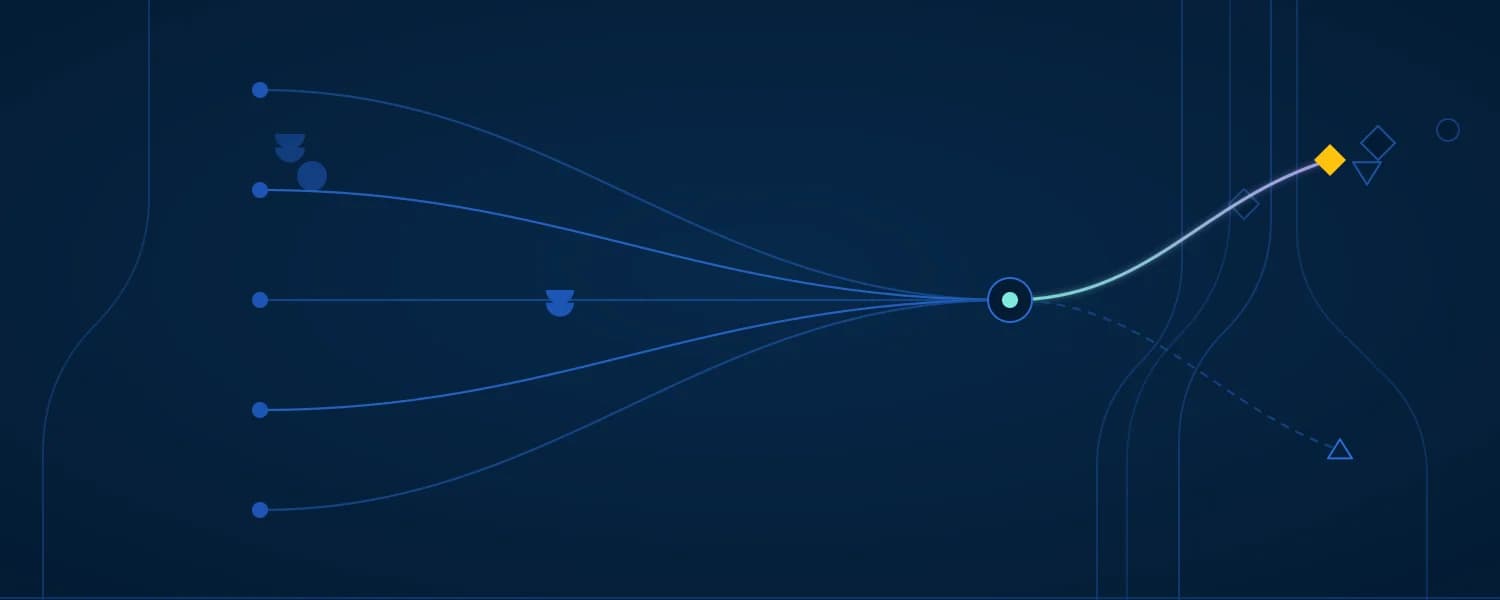
When agents improvise on raw APIs, the work becomes expensive, fragile, and unreusable. Each use case gets its own call sequence, each sequence breaks when an API changes, and each team rebuilds what another team already built.
Workato’s tested this in real time with Jira, and the result shows the cost of raw APIs in tokens. With the same account and model, Atlassian’s hosted MCP server needed 3 tool calls, 164,000 tokens, and a 142 KB payload to execute a given scenario, while a Workato server needed 1 call, 31,000 tokens, and 6 KB. It sounds as obvious as it is: Tools designed as complete actions cost fewer tokens than thin API wrappers.
What is an execution plane?
An execution plane is the layer where business work runs. In network terms it is the data plane, the place where agents act on enterprise systems, invoke tools, and run processes. In Workato it consists of Enterprise Skills, the orchestration engine, event triggers, recipes, and connectors.
An Enterprise Skill packages a repeatable business action, such as creating a quote or onboarding an employee, as one governed action. It returns deterministic output and handles errors inside itself. It also keeps a job history and has its own version control and a development, test, and production lifecycle.
How do the two planes work together?
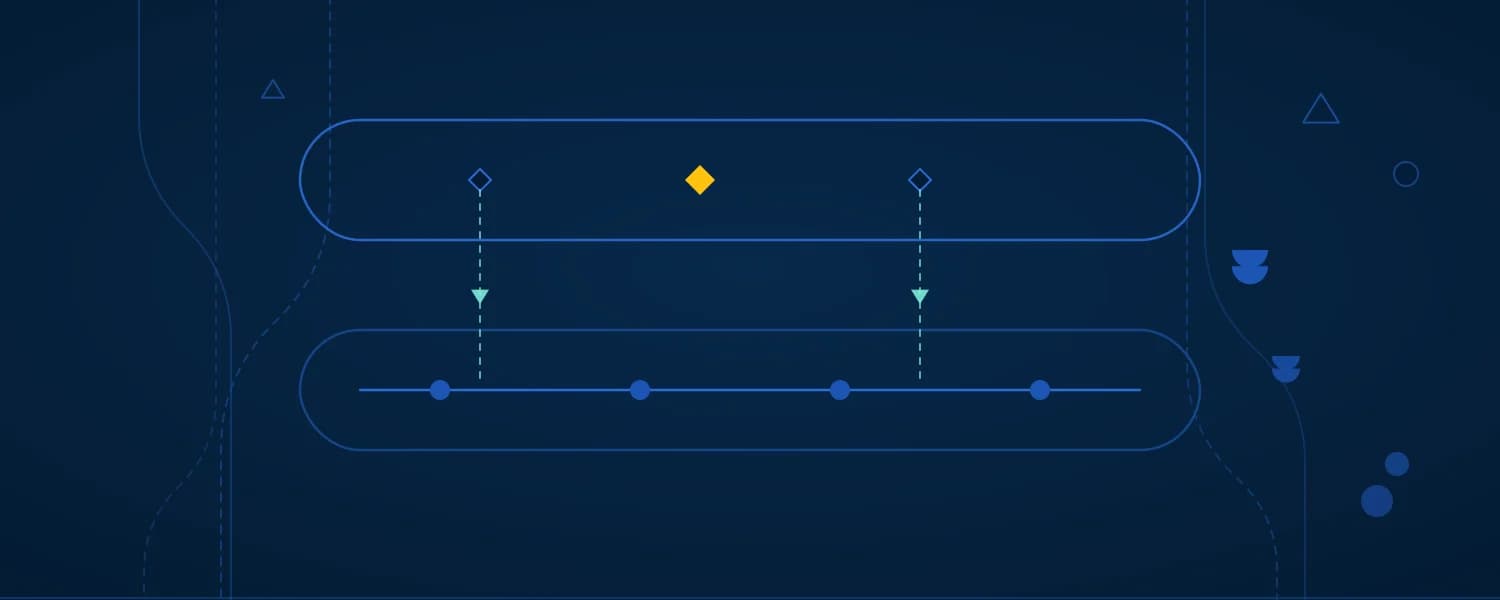
The control plane decides and the execution plane performs, in one request path. The agent asks for an action, and the control plane checks identity, permission, and policy. The execution plane then runs the skill, and the control plane records the result.
Governance is inherent here, not bolted on. Verified User Access runs each skill under the end user’s own connection, so the log shows the real user. And because the same platform runs the action, one audit trail covers the prompt through to the record that changed.
Why not stitch a control plane and an execution platform together?
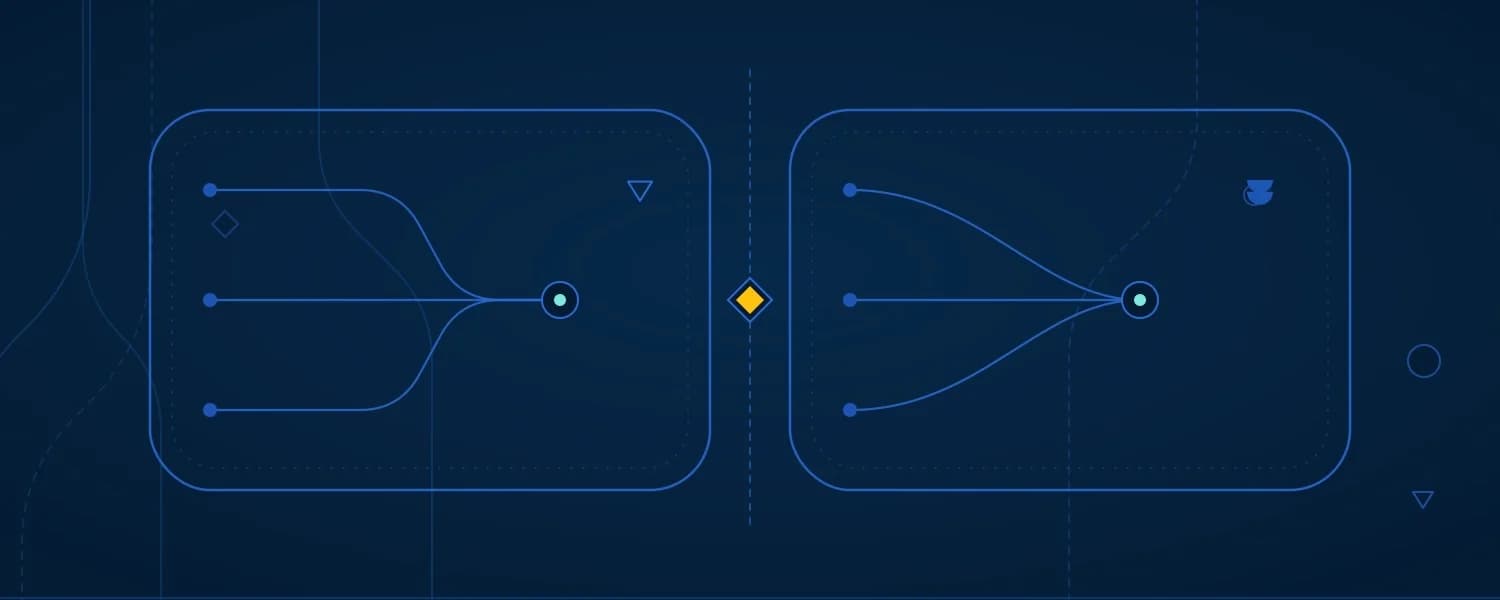
Stitching two products together leaves a gap between them. A governance tool and a separate execution platform each bring their own identity, their own policy, and their own logs. The gap is where an agent can act without the policy applying, or where an incident cannot be traced end to end.
A gateway alone governs access but cannot do the work, and a script does the work but no one governs it. With Workato, one platform gives you one control surface and one audit trail, with no gap between them.
What does this look like for a buyer?
For a buyer, it means asking a different set of questions. Ask not only whether a product can restrict an agent but also whether it can complete the task the agent was restricted to do.
Have the vendor show an agent completing a multi-step business process under a named user’s permissions, then show you the log. Ask how many model calls and tokens it took, and what happens if and when a certain step fails. For the execution layer, Workato’s published proof points are 25,000+ customers, 1 trillion+ tasks processed, and a 99.99% SLA.
Summary: Why an AI Control Plane Isn’t Enough
A control plane governs, and an execution plane does the work, so production AI needs both. Without execution, agents improvise on raw APIs, which costs tokens, breaks when an API changes, and gets rebuilt for every team. Workato’s AI Gateway offers governed, reusable business actions, and one platform keeps one identity, one policy, and one audit trail across both planes.
FAQ
What is the difference between a control plane and an execution plane?
The control plane governs what is allowed. The execution plane runs the work.
Is a Control and Execution Plane the same as an agentic AI platform?
No. An agentic platform builds agents. A Control and Execution Plane governs and performs work through them. Workato does both: Agent Studio builds, and the platform governs and executes.
Can I buy a control plane and build execution myself?
You can, but each team then rebuilds the logic and the governance gap appears between the two.
About the Author
More on AI Agents & Orchestration
Discover the latest product updates and features
Bridging Control and Execution in AI Governance
Nov 9, 2026
What Is an LLM Router?
Nov 5, 2026
Which Agentic Workflow Steps Should Be Deterministic?
Nov 5, 2026
Table of Contents