What Is Ecommerce Merchant Processing?
Ecommerce merchant processing is the system that allows online businesses to accept and securely process electronic payments from customers, including credit cards, debit cards and digital wallets.
When someone clicks the “Buy Now” button on your ecommerce site, ecommerce merchant processing begins. Payment information moves through checkpoints, gets verified and either approves the transaction or sends back a declined message.
Ecommerce Merchant Processing vs. Ecommerce Payment Processing
Owning the entire stack sets merchant processing apart from payment processing. Payment processors focus on shuttling authorisation messages between issuing and acquiring banks. Merchant processors contract directly with you, hold funds in a merchant account and shoulder ongoing obligations like chargeback management and settlement reporting.
The distinction affects real costs and conversion. A provider that manages settlements directly can cut unnecessary touchpoints, reduce fees tied to third-party services and improve approval rates by fine-tuning risk rules across the whole journey.
How Does Ecommerce Merchant Processing Work?
This system involves several components working together to verify, authorise and complete transactions:
- The customer (cardholder)
- The merchant (your online store)
- The payment gateway
- The payment processor
- Card networks (Visa, Mastercard, etc.)
- Issuing and acquiring banks
The complete merchant processing flow follows these essential steps:
- Checkout begins: Your customer confirms the basket and enters payment details
- Data is secured: The gateway encrypts card or wallet data before forwarding it to the processor
- Authorisation request: The processor consults the card network, which contacts the issuing bank to verify funds and fraud risk
- Instant response: Approval or decline flows back through the same path in milliseconds, letting you confirm or reject the order
- Settlement: Approved transactions settle in batches. The acquiring bank moves cleared funds into your merchant account—typically within one to three business days—minus processing fees.
What to Look For in the Right Ecommerce Merchant Processing Solution
You want a provider that behaves like a revenue-growth partner. The right platform lifts conversion, supports expansion into new markets and stops fraud without blocking genuine buyers.
Evaluate each contender by the direct impact it can have on your top-line and customer experience, then drill into four core capabilities that separate average processors from high-performing merchant solutions.
Direct Card Acquiring & High Authorisation Rates
Processors licensed to connect straight to the card networks—often called direct acquirers—own the settlement flow end-to-end. That ownership matters for your revenue. Every touchpoint introduces risk of a decline and false declines already cost merchants billions each year.
Improving your authorisation rate by one point can add thousands in recovered revenue for every million pounds you process.
Direct acquirers improve those numbers by sending transactions through local network connections, reducing cross-border friction and applying smarter retry logic when an issuer gives a soft decline.
They also support adaptive authentication that only steps up when risk indicators spike. Your genuine shoppers seldom face extra friction.
When you compare providers, ask for their average approval rate on businesses similar to yours, how they handle issuer-specific codes and how often they review routing rules.
Comprehensive Payment-Method Coverage
Over 70% of shoppers abandon a cart, with missing payment options sitting high on the list of reasons. Cards remain vital, yet wallets, pay-by-bank and buy-now-pay-later drive growth in many markets.
A single integration that gives you both global cards and the local favourites removes the need to juggle multiple vendors.
Beyond breadth, look for dynamic presentation. The best providers detect your shopper’s location and surface relevant methods automatically. This avoids checkout clutter while markedly raising conversion when you launch into a new region.
Finally, confirm that adding emerging options doesn’t require another development cycle. Your provider should expose new methods via configuration, not fresh code.
Built-In Security & Fraud Prevention
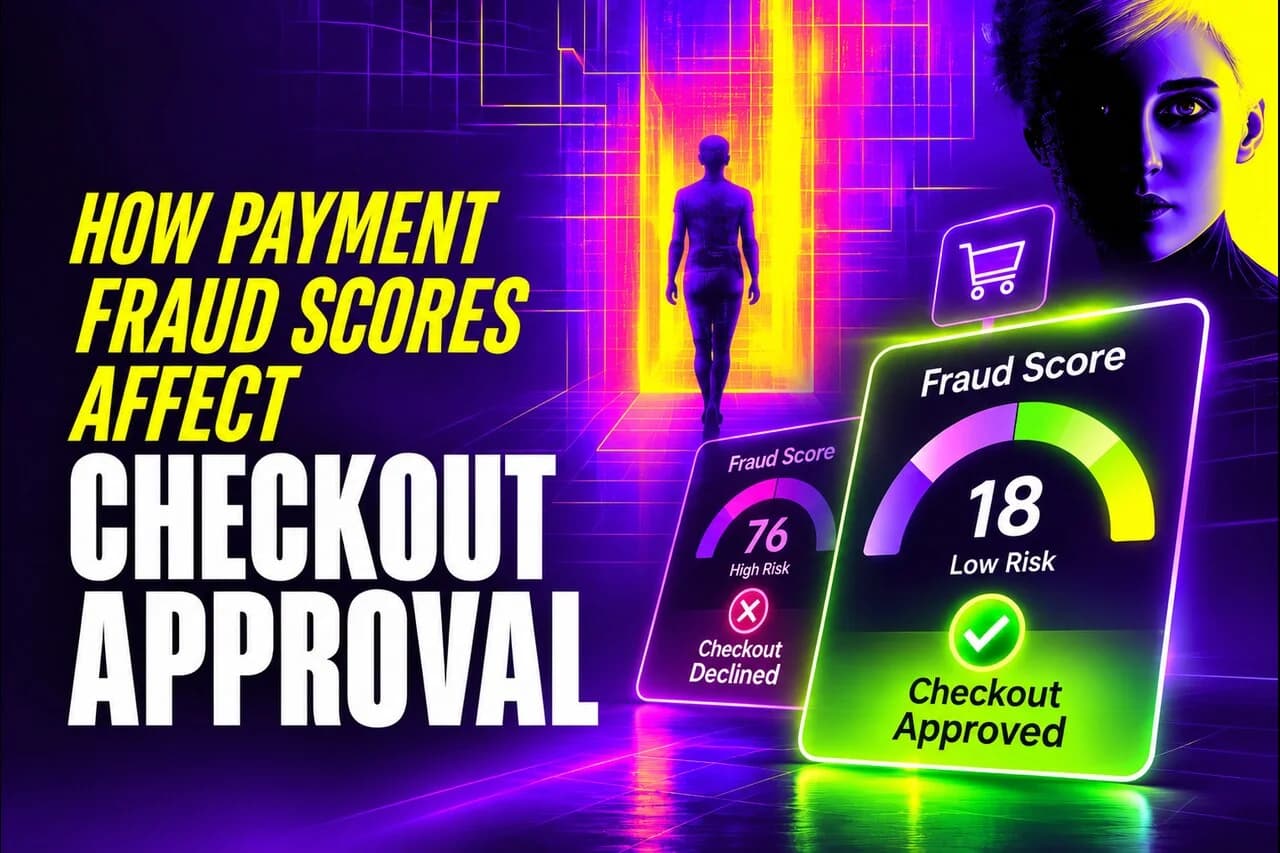
Fraud and chargebacks drain revenue while over-zealous rules trigger costly false positives. A balanced risk stack combines tokenisation to strip sensitive data from your environment, 3-D Secure for regulated strong customer authentication and PCI DSS certification to anchor compliance.
Modern systems watch behavioural signals like device fingerprints, velocity checks, unusual checkout paths, and score each action in real time. You retain control through configurable rules.
This enables higher scrutiny on high-value items while keeping low-risk orders friction-free. Real-time dashboards surface anomalies so your team reacts before losses happen, while automated dispute workflows gather evidence the moment a chargeback appears.
Global Reach & Technical Flexibility
Cross-border growth stalls when payments lag behind expansion plans. A single API that handles 190 plus countries and pays out in multiple currencies lets you price locally while avoiding double conversions and cutting settlement delays.
Equally important is local acquiring, when transactions stay domestic instead of routing through foreign corridors, authorisation rates improve and cross-border fees drop.
Technical flexibility matters too. Low-code portals help non-developers launch quickly while robust REST APIs satisfy engineering teams that need custom flows. Plugins for major commerce platforms shorten timelines and unified reporting across all markets removes spreadsheet gymnastics.
When reviewing providers, map their licence footprint against your roadmap. Test their sandbox with real edge cases. A provider that passes those checks will help you move money, access new markets and improve conversions.
How to Set Up Ecommerce Merchant Processing for Online Payments
To beginaccepting online payments, you need three things:
- A functional ecommerce website or platform
- A payment gateway
- A merchant account
Merchant accounts are different than your regular business account. Amerchant account is a temporary holding place for the funds you collect from card transactions. This buffer makes it easier to handle chargebacks and disputes without affecting your main account.
While it may sound like an extra step, having a dedicated merchant account helps keep your payment process organised and reliable.
If you’re using a platform like Shopify or WooCommerce, payment integration is typically built in or available via plugins.
- What are the actual fees involved?
- Does it support the currencies and payment types your customers use?
- How easy is it to set up?
- Can you get help when you need it?
Keep the Checkout Quick and Simple
A complicated or confusing checkout is one of the quickest ways to lose a customer. Only ask for essential information. If you don’t need a phone number or billing address for a digital product, leave it out. The fewer fields people have to fill in, the more likely they are to complete the purchase.
Where possible, give customers the option to check out as guests. Forcing account creation can be a barrier.
Keep customers on your site during payment rather than redirecting them to another platform or external gateway. Being taken off-site can create confusion or raise security concerns, particularly on mobile, where tabs and page loads are more disruptive.
Using an API integration, Plug-in or iframefor checkout can all help create a seamless experience.
Autofill is another powerful feature. If your checkout supports it, most browsers can automatically fill in contact and card details. This convenience adds up, especially on mobile devices where typing can be tedious.
Visual trust signals also matter. Display security badges, like SSL certificates or recognisable payment logos, in clear view. They assure that the transaction is safe, which is especially important for shoppers who haven’t bought from you before.
If you’re able to, consider offering one-click payment options. These are particularly useful for returning customers, as they can skip the usual steps and pay instantly with saved details. It’s a small touch but it can have a noticeable effect on conversion rates.
Finally, make it a habit to test your checkout process regularly. Try it on different devices, in different browsers and from different regions. Look for anything that slows the process down or might confuse someone who’s unfamiliar with your site.
Even small issues, like a lagging button or a missing field label, can be enough to turn someone away.
Watch Out for Payment Risks
Selling online means dealing with risks like fraud, chargebacks and failed payments. Card-not-present fraud is especially common and includes things like identity theft, account takeovers and so-called “friendly fraud,” where customers dispute charges they actually made.
Chargebacks can cost you the sale and damage your standing with payment providers. Declined transactions also lead to lost revenue and annoyed customers.
You can reduce these risks by adding extra checks: use address verification and 3D Secure, explain your refund policy clearly, review why transactions fail and use tools that automatically flag suspicious activity.
Most payment platforms offerbuilt-in fraud detection that works in the background.
Keep an Eye on Performance
Once you’re set up, keep an eye on how things are running. Look at:
- Watch your authorisation rates. These can be as high as 97% for domestic transactions with Rapyd. Cross-border transactions can have lower auth rates unless you work with a local acquirer. High authorisation rates mean more sales going through.
- Look for patterns in declined payments: certain card types, countries or time slots might stand out.
- Watch cart abandonment; if it’s high, your payment process could be part of the problem.
- Finally, monitor how long it takes customers to complete a transaction.
How Rapyd Helps With Ecommerce Merchant Processing
When you handle payments at scale, you need more than a gateway. You need an acquirer that treats every transaction as potential revenue. That’s where Rapyd’s strength lies. As a directly licensed acquirer, we support over 400,000 merchants worldwide.
Our expertise translates into measurable business outcomes: higher approval rates, broader payment acceptance, stronger fraud protection and faster market launches.
Higher Authorisation Rates Through Direct Card Acquiring
Rapyd holds direct acquiring licences across the UK, Europe, Latin America, Israel and Hong Kong. This direct connection to card networks means your transactions skip unnecessary touchpoints that create latency, data loss and unnecessary declines. The result? Better approval percentages.
Fast Onboarding & Developer-First APIs
Speed to market creates a competitive advantage. With Rapyd, 80% of merchants are approved the same day, even in complex sectors like forex and iGaming. Straightforward onboarding combines with an outstanding developer experience
Detailed REST APIs, SDK and a full-featured sandbox shorten development cycles. A low-code portal handles configuration for non-technical teams while our ready-made plugins let you launch without writing code.