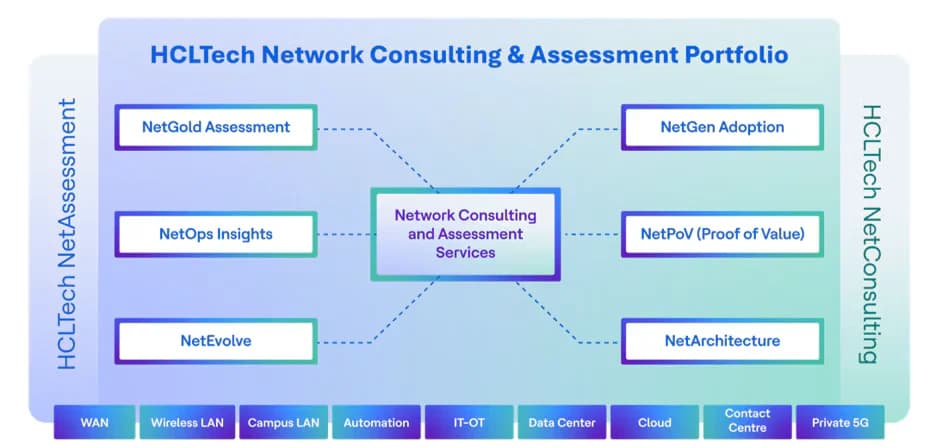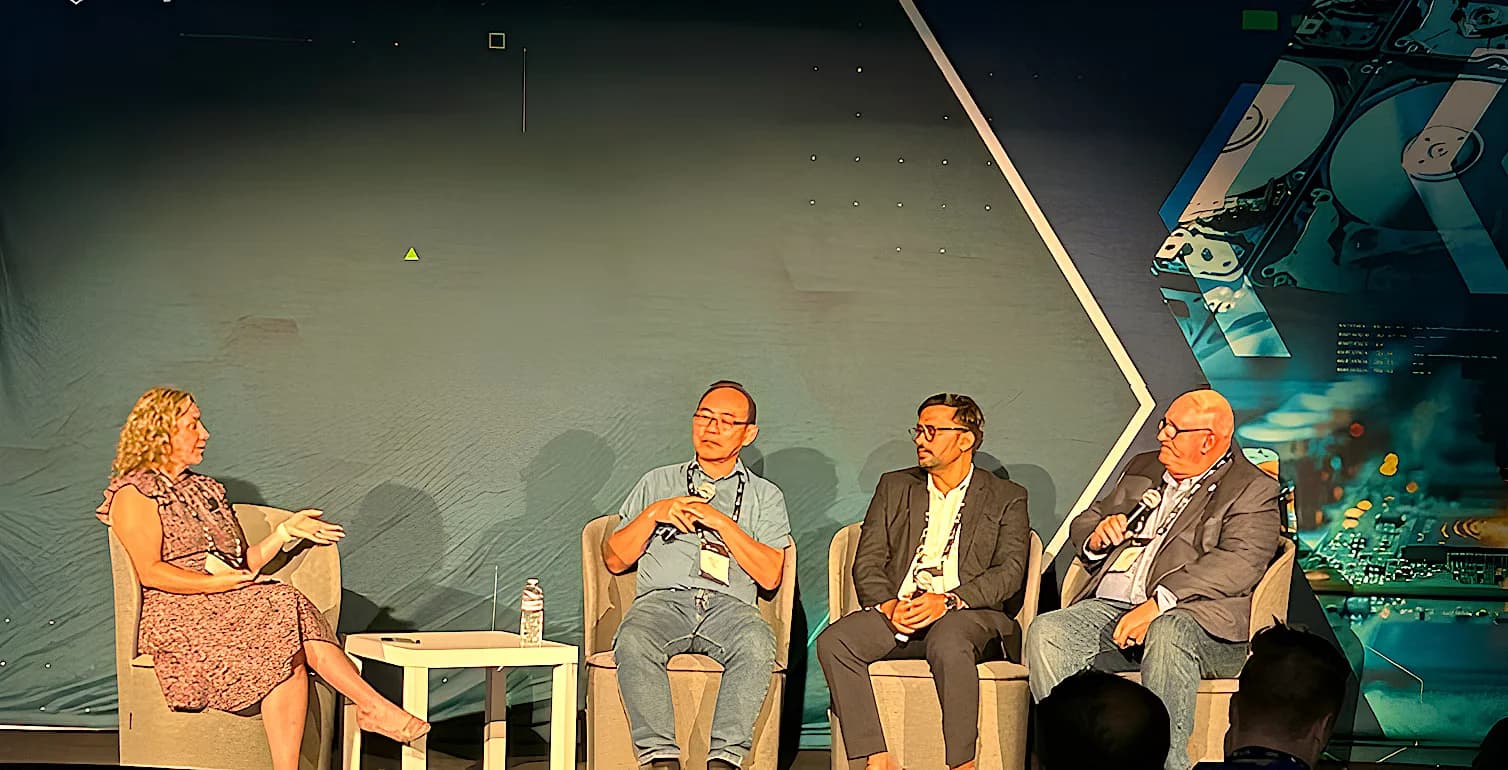
Engineering leaders from Altera, HCLTech and PTC shared perspectives on large-scale product lifecycle management (PLM) transformation. The lesson for the Electronics and High Tech industry: Modernization is a business-led discipline and the clean master data underneath it is the foundation everything depends on.
Most modernization programs are imagined with a comfortable runway and the freedom to move the date. Real transformation rarely works that way. The harder and more instructive scenario is the one every engineering organization eventually faces in some form: the timeline is fixed, the business can't pause and the product backbone has to be rebuilt while product keeps shipping. That combination changes how every decision gets made.
At the PTC Electronics and High-Tech Industry Exchange in Silicon Valley, leaders from Intel Altera, HCLTech and PTC shared their perspective on what large-scale PLM modernization demands in the current business landscape. The discussion held a question worth carrying into any transformation: What would you do if you had a hard deadline to rebuild your entire product foundation and you weren't allowed to stop?
Modernization arrives as several changes at once
One of the most useful reframes from the panel was that a PLM modernization rarely stays contained. What starts as a single initiative tends to expand into consolidation, migration and full transformation, often in parallel. Infrastructure, Enterprise Resource Planning (ERP), Customer Relationship Management (CRM) and PLM can all be in motion at the same time. Leaders who plan for a tidy, single-track project are usually the ones caught off guard by the scope.
That scope also creates an opening. Instead of patching an aging environment, teams get a rare chance to design the foundation properly. Engineers who have carried years of accumulated frustration finally get permission to fix what they've lived with. That framing turns a demanding program into an opportunity worth mobilizing around.
Adoption follows relevance, not persuasion
Change management is where transformation programs usually stall. The panel's experience pointed to a more encouraging pattern. When a legacy system has been customized so heavily that it no longer serves the business, with a backlog of change requests left unfulfilled, moving to a modern platform becomes permission to fix years of unmet needs. Adoption gets easier because the new environment is visibly better, not because people are pushed toward it.
The platform choice reinforced that. Standardizing on PTC Windchill meant going live with core functionality and adding capability over time, on a foundation built to scale. What teams expect to be a product data management project often turns out to be far broader, spanning audit, compliance, document management, change, calibration and issue management inside a single environment. The value is breadth, a unified backbone in place of disconnected tools.
The migration nobody plans for
The real difficulty tends to hide in the data. Legacy environments holding several hundred thousand bill of materials (BOM) lines, often so customized that clean extraction to a standard file isn't possible. The disciplined path is to pull and inject the data with purpose-built tooling, then harmonize it to industry best practice and streamline the BOM structure so planning can feed MES and ERP cleanly. Accelerators, prebuilt industry templates and a Windchill Center of Excellence compress the effort considerably.
One decision captures the underlying discipline. Retaining the saleable end-item number while re-numbering child items to the platform's out-of-the-box standard sounds minor, yet it ripples across every integration with ERP, manufacturing execution system (MES) and outsourced semiconductor assembly and test (OSAT) partners and takes real education to land. The principle holds broadly. Align to standard and harmonize the data, rather than re-import years of customization that no longer serves anyone.
That work surfaces a quieter challenge. For many attributes, no one in the business can say who owns them. Teams have to dig through the organization to find owners before the data can be trusted, a form of data archaeology that most modernization plans underestimate.
Master data is the whole game
The strongest perspective from the panel was that standing up the PLM platform is not the hard part. The integration to everything around it is. PLM sits at the center of the enterprise as the least understood and most complex system, with upstream, downstream and side-stream connections reaching in every direction. This is master data and everything the company runs on depends on its quality. Garbage in becomes garbage out across 30 or more connected systems.
The discipline pays off in measurable ways, with migration effort dropping by roughly 40%, delivery running about 50% faster and templates saving meaningful additional effort. A single source of truth then runs across the connected ecosystem, with compliance data flowing cleanly alongside it.
A clean foundation is what makes AI trustworthy
A unified, reliable data layer is what makes new capability possible. Two-dimensional traceability back to the silicon, where a scan traces who did what and when by pulling parameters across systems through a closed feedback loop, only works because the master data is unified and clean. The same logic frames where AI belongs. AI is only as strong as the governed data beneath it and that foundation is what makes AI on top of it trustworthy.
The through-line across all of this is refreshingly practical. Modernization at this scale succeeds when the business leads it. Handing it to IT to execute without collaborating on the next steps is where programs could lose their way.
The business owns the what and the why and the right partner provides the how. Start by defining what success looks like at the end and the sequencing falls into place. Get the process right first, then bring in the technology to support it. That order pays off because the return on investment reaches well past a single team or system. It shows up as productivity gains across the entire supply chain. The organizations that come out ahead are the ones that know their ingredients before they start and that begin the work before the pressure decides the timeline for them.