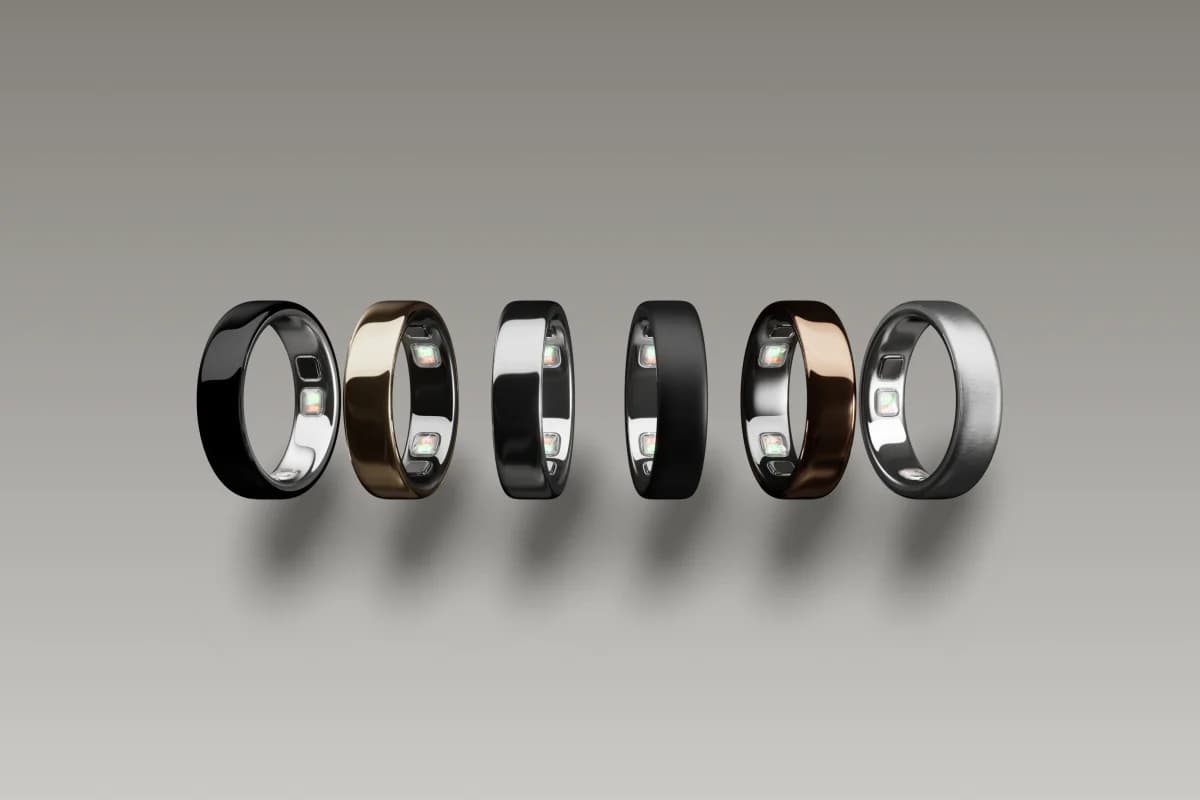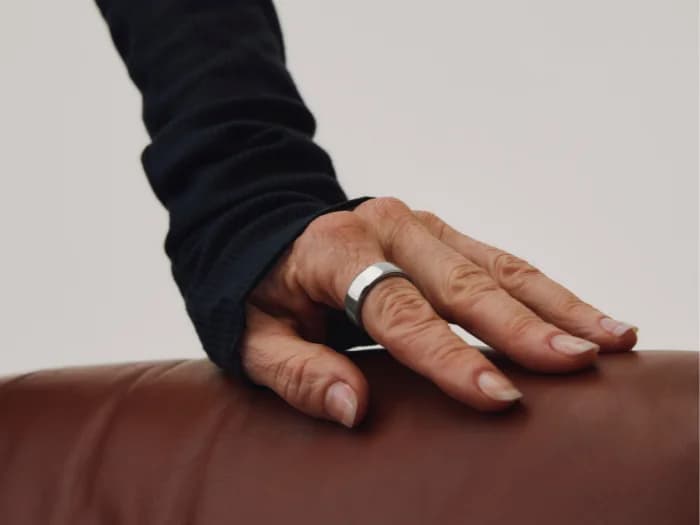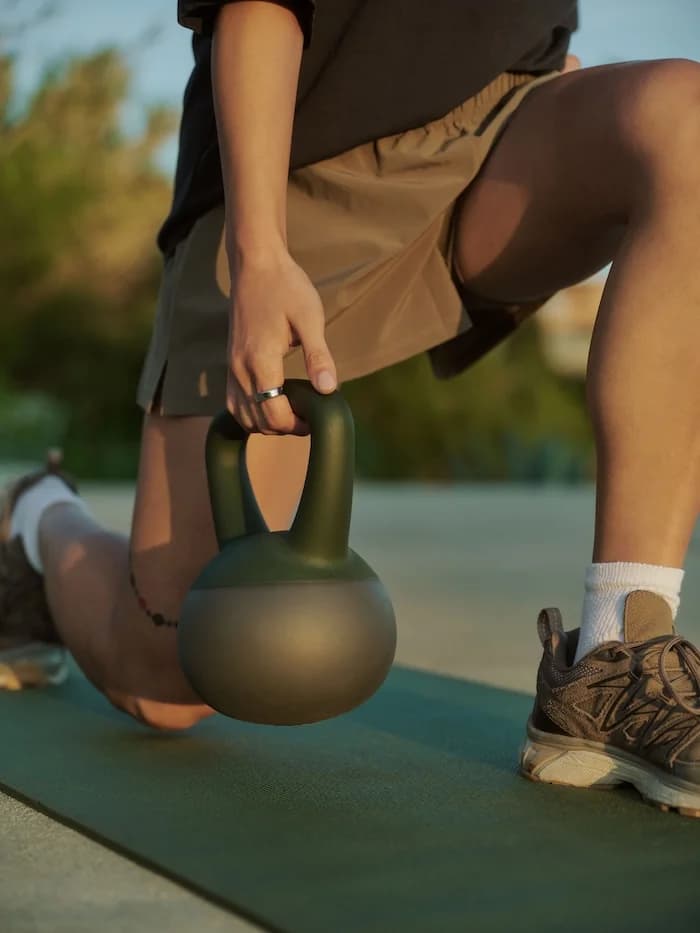
Whether you’re training for a marathon or want to get more out of your weekly gym sessions, yourReadiness Score can be used as an input to help you decide if today is a day to push or a day to back off.
Your Oura Readiness Score combines sleep, recent activity, and body signals to offer a personalized snapshot of recovery-related trends.
What Does My Daily Readiness Score Mean?
A daily Readiness Score requires a wearable device worn overnight that measures your physiology while you sleep and has enough history to know your personal baseline. Oura produces one each morning based on contributors such as resting heart rate, heart rate variability, body temperature, sleep, and recent activity.
These are a few helpful features that you can use to inform your training decisions:
- Previous Day Activity: yesterday’s movement and inactivity against your long-term averages
- Activity Balance: your last 14 days against your two-month baseline
- Resting Heart Rate: your lowest nighttime heart rate compared with your own average
- HRV Balance: your two-week HRV trend against your three-month average
- Recovery Index: how much of the night you slept after your heart rate reached its low point
An 85 or higher may be a sign that you are ready to take on new challenges. Scores below 70 indicate that you may benefit from prioritizing rest and recovery.
It’s important to interpret your score in context, as variation may be caused by illness, hormonal shifts, sleep, and activity. Some variation in your Readiness Score may be a good thing. Short-term, acute stress—such as physical exercise or short mental challenges—can trigger adaptive responses that strengthen metabolic and cardiovascular resilience. The key is to push yourself, recover, and repeat this cycle to support long-term well-being.
Member Tip: Wear your ring for a few weeks consistently and check out your long-term Trends to notice changes over time.
Readiness vs. Strain: How They Work Together for Training
Your Readiness Score estimates how prepared your body is today. Cardio Effort estimates cardiovascular strain: how hard your heart worked during your workouts, and how that adds up across your week.
Planning Your Training Based on Your Readiness
There isn’t a study showing exactly what a given Readiness score means for your training schedule. But research does suggest that certain physiological signals, like HRV and resting heart rate, along with sleep quality, can inform and affect your training.
In a small 2022 study of recreational runners, those whose training was adjusted based on signals like overnight HRV and how recovered they felt improved their 10 km time more than runners on a fixed plan. After an intense session, runners’ heart rate during sleep stayed higher than normal, so a resting heart rate above your usual may be a cue to plan an easier day.
Sleep is also incredibly important for training. When collegiate basketball players aimed for at least ten hours in bed a night for five to seven weeks, their sprint times improved from 16.2 to 15.5 seconds, their shooting accuracy rose by about 9%, and their reaction time improved. In a similar study, more sleep was linked to a lower risk of in-season injury. Too little sleep, on the other hand, can raise the chances of getting hurt or sick.
If your Readiness is Optimal and your weekly Cardio Effort is Light or Maintaining, you may want to experiment with a harder workout. If your Readiness is Fair and your week is already in Reaching, your body may benefit from an easier day or rest. Either way, check in with how you feel first. If your score is high but you feel low on energy or sick, prioritize rest and recovery, since pushing too hard can raise your risk of injury or illness.
Member Tip: For a comprehensive view of your stress and recovery balance, check yourResilience score. It draws on 14 days of daytime stress, daytime recovery, and nighttime recovery to show how well your body is absorbing and bouncing back from physiological stress.
How Do You Know If You’re Overtraining?
Overtraining is a persistent drop in performance with prolonged fatigue that does not resolve with normal rest. The joint consensus statement of the European College of Sport Science and the American College of Sports Medicine defines three states: functional overreaching, where a short-term performance dip is followed by a rebound and is a normal part of training; non-functional overreaching, where recovery stretches to weeks and performance stagnates; and overtraining syndrome, where the impairment persists for months.
There are some signs you may be overtraining:
- Performance that stalls or declines despite steady or increased training
- Low Activity Balance that doesn’t recover after a rest period
- WeeklyCardio Effort repeatedly in “Reaching” while your Readiness Score stays low
- Waking up exhausted or consistently sleeping poorly
- Low mood or a loss of motivation to train
- Frequent illness or lingering minor injuries, beyond normal muscle soreness
- A resting heart rate that’s persistently higher or lower than your usual baseline
- Irregular or absent periods, which can be a sign of functional hypothalamic amenorrhea—a condition linked to stress, weight loss, and intense exercise that’s associated with bone loss and infertility over time
A good Readiness Score doesn’t rule out overtraining. If any of these persists for more than a couple of weeks, it’s recommended to speak with a healthcare provider.
Member Tip: If Oura detects both a completed activity and high levels of stress, the app will mark the Daytime Stress graph with “Post-activity stress” for that period. This helps you to easily distinguish between stress due to exercise and stress due to other lifestyle factors.
How Do You Know When Your Body Needs Rest From Training?
A consistently low Readiness Score paired with a low Activity Balance over time may show your body needs more rest. If you’ve ruled out other health conditions or illnesses, take a look at your training. Your activity balance may drop temporarily during a peak training phase, but it should bounce back to normal as you recover.
Frequently Asked Questions
What is a Readiness Score?
A Readiness Score is a daily score designed to help you discover what works for your body and lifestyle by answering the question: “How ready are you for the day?” It is calculated from overnight measurements of your resting heart rate, heart rate variability, body temperature, and sleep, weighted against your own baseline and your recent activity. In the Oura App, 85 and above is Optimal, 70–84 is Good, 60–69 is Fair, and below 60 is Pay Attention.
Why is my Readiness Score low when I feel fine?
Your Readiness Score reflects physiological signals; how you feel is also useful information. Your Readiness Score is an estimate of how prepared your body is today based on physiological signals measured overnight: resting heart rate, heart rate variability (HRV), body temperature, and sleep, compared with your own baseline and your recent activity. How you feel can be shaped by things the score doesn’t capture directly, like stress, mood, motivation, or muscle soreness. A systematic review of 56 studies found that athletes’ self-reported well-being outperformed objective measures for tracking training. It’s important to treat your score as one input, not a final verdict.
How can I use my Readiness Score day to day?
Your Readiness Score can help you plan your day. If it’s high, you might choose a harder workout. If it’s low, you can focus on recovery and use Tags to discover possible associations, such as illness, a late meal, or disrupted sleep. Consider how you feel first. If your score is high but you feel low energy or sick, prioritize rest and recovery, since pushing too hard can raise your risk of injury or illness.
How can I get a daily Readiness Score for my body?
A daily Readiness Score requires you to wear a smart ring overnight. It measures your physiology while you sleep, and it needs enough history to learn your personal baseline. Oura produces a Readiness Score each morning from contributors such as resting heart rate, heart rate variability, body temperature, sleep, and recent activity.