Thinking about starting an RV park? It's a genuinely exciting opportunity—one that sits at the intersection of outdoor hospitality, real estate investment, and long-term business growth. But it's also a significant undertaking, and the difference between a thriving park and a costly mistake often comes down to what you know before you commit.
This article will walk you through the most important considerations when starting an RV park: market research, zoning, infrastructure, operations, marketing, and costs. Think of it as a checklist for clear-eyed decision-making—the kind of groundwork that helps you figure out whether to move forward, and where to focus if you do.
If you work through these areas and the opportunity still looks strong, the logical next step is a detailed business plan. We'll point you in that direction at the end.
What is an RV park?
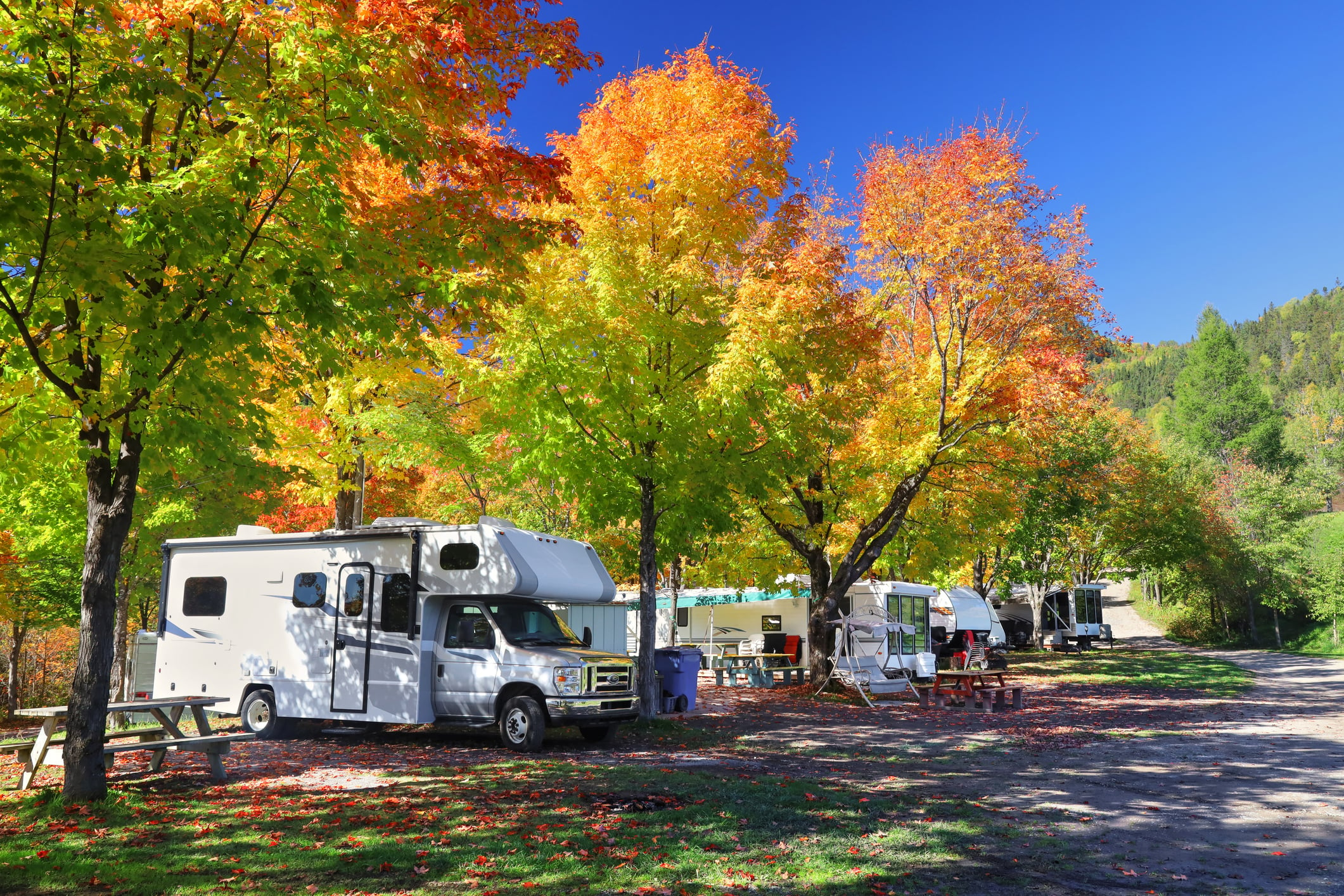
For many travelers, RV parks are the sweet spot between roughing it and staying home—open skies and fresh air, with the comforts of home parked right outside the door. In business terms, they're commercial hospitality properties designed to accommodate recreational vehicles for short-term or extended stays. Unlike traditional tent campgrounds, RV parks are designed around vehicle access, utility infrastructure, and operational systems that support modern RV travelers.
Most RV parks include:
- Electrical, water, and sewer hookups
- Concrete or gravel pads
- Internal roads and parking areas
- Shared amenities such as restrooms, showers, and laundry
- Green space and recreational areas
Some parks also include tent sites, cabins, or glamping accommodation depending on the campground type and target market.
Many people drawn to the idea of starting a campground business find themselves looking closely at RV parks—sites that can command higher nightly rates and attract longer stays than traditional tent camping.
Steps to start an RV park
Step 1: Market research and feasibility
Before purchasing land or beginning development, your market research and feasibility study should cover the following:
Start by identifying the type of guests your park will serve:
- Overnight travelers passing through
- Seasonal vacationers
- Long-term guests
- Remote workers and digital nomads
Demand patterns vary significantly depending on location. For example, highway parks often rely on short overnight stays, while destination parks near national parks or beaches attract longer stays.
Look at occupancy patterns of nearby parks during peak seasons and long weekends. If nearby RV parks are consistently booked out during summer or holiday periods, that often signals unmet demand. Reading guest reviews on Google or campground directories can also reveal what travelers feel is missing in your area, such as better Wi-Fi, larger pull-through sites, or quieter environments.
Competitive research should look beyond simple pricing comparisons.
Review nearby parks for:
- Number and size of sites
- Amenities offered
- Pricing structure
- Occupancy patterns
- Target guest segments
You may find opportunities in underserved segments, such as premium RV sites, family-friendly parks, or properties designed for long-term stays.
Many successful parks differentiate themselves through strong amenities, or proximity to attractions.
Step 2: Location selection and zoning
Choosing the right location is one of the most important decisions when starting a campground or RV park—one that involves evaluating site characteristics alongside planning requirements and regulations.
Key factors to evaluate include:
- Acreage and land shape
- Terrain, drainage, and soil quality for drainage and load-bearing capacity
- Access to water, electricity, and sewer infrastructure
- Space for roads, parking, and green areas
- Potential for future expansion
Noise levels and surrounding land use also matter. A location close to a major highway may offer convenience, but excessive road noise can negatively impact guest experience and repeat bookings.
Successful RV parks are often located near:
- Major highways, providing there is a noise buffer
- National parks or outdoor attractions
- Tourist destinations
- Recreation areas
Easy access for large vehicles is essential. Many modern RVs exceed 40 feet in length, so it’s important that the site can accommodate large rigs entering and turning around.
When evaluating a location, map out the competing RV parks in the area and note how each one is positioned—who they're targeting, what they offer, and where the gaps are. A site that looks ideal on paper may be harder to differentiate if it's surrounded by well-established parks serving the same guest segment.
Before purchasing property, confirm zoning requirements with the relevant planning authority. Many jurisdictions require land to be zoned specifically for recreational or commercial hospitality use.
Industry organizations such as the Outdoor Hospitality Industry can also provide guidance on local regulations and best practices.
Opening an RV park typically requires multiple approvals from local authorities.
Common requirements include:
- Zoning approval
- Development and construction permits
- Building and utility permits
- Environmental impact assessments
- Wastewater and water permits
- Campground licenses
- Business registration
Permit approval time frames are among the most common reasons RV park developments are delayed. Environmental reviews, zoning approvals, and infrastructure permits can take months or even years depending on the jurisdiction, so it's important to build buffer time into your development schedule.
Step 3: Park design and infrastructure development
Thoughtful design plays a major role in guest experience and operational efficiency when deciding how to build an RV park.
Important layout considerations include:
- Drive-through circulation for large vehicles
- Adequate spacing between sites
- Proper drainage for pads
- Clear signage and lighting
- Separation between RV sites, tent areas, and cabins
Many successful parks prioritize intuitive layouts that let large vehicles move through the property smoothly and without hassle.
Modern RVs have grown significantly larger in the past decade, with some luxury motorhomes being 45 feet. Designing wider internal roads and larger pull-through sites can significantly improve the guest experience and reduce check-in issues.
Most RV parks require:
- Electrical hookups
- Water distribution systems
- Sewer or septic systems
- Internal roads and parking
- Restrooms, showers, and laundry facilities
Utility installation is often one of the largest development costs when building an RV park. Extending power lines, sewer systems, or water infrastructure across large properties can significantly affect overall project budgets.
Step 4: Operations and management
Once your park opens, the guest experience and your bottom line are shaped by how well your operations run day to day. Getting systems right from the start—reservations, check-ins, billing, and site management—saves time, reduces errors, and sets the foundation for sustainable growth. Purpose-built campground management software like RMS can bring these moving parts together in one place, giving you visibility across your business from day one.
Operational planning should include:
- Staff recruitment and training
- Maintenance schedules
- Safety procedures
- Park rules and written standards for guest interaction, safety, cleaning checklists, cash and booking handling, and complaint resolution
Many small parks operate with lean teams, so clearly defined procedures help maintain consistency.
Using campground reservation software helps streamline operations by improving:
- Reservation handling
- Check-in and checkout processes
- Payment processing
- Guest communication
- Availability management
Choosing a property management system early can simplify operations before opening. Platforms such as RMS hospitality software allow RV park operators to manage reservations, automate payments, and centralize guest communications from a single platform.
Step 5: Marketing and promotion
Marketing plays a major role in attracting guests when starting and operating a campground or RV park. Key strategies to build into your plan include:
Website and online booking: Your website is your most important marketing asset. It should include online booking, clear site descriptions and photos, pricing, and amenity details. Make sure it loads well on mobile—most travelers are searching on their phones.
Search engine visibility: Appearing in local search results when people look for RV parks or campgrounds in your area drives consistent, low-cost traffic. Focus on Google Business Profile, local SEO, and listings in campground directories such as The Dyrt, Campendium, and RV Trip Wizard.
Social media: Platforms like Facebook and Instagram are well-suited to RV park marketing. Regular photo and video content—sites at golden hour, amenities, trails, wildlife, and behind-the-scenes prep—builds an audience before and after opening. Short-form video on Instagram Reels or TikTok can be particularly effective for a new park launch, giving potential guests a feel for the experience before they book.
Partnerships: Local partnerships can generate referral traffic and bundled booking opportunities. Consider reaching out to:
- Tourism boards and visitor centers
- Nearby attractions and tour operators
- RV dealerships, who often field questions from new buyers about where to take their first trip
- Local restaurants and activity providers for cross-promotions or guest discount arrangements
Loyalty programs and seasonal promotions: Repeat guests are your most cost-effective source of bookings. Early loyalty incentives—return visit discounts, referral rewards, or seasonal packages—encourage guests to come back and bring others.
Launch-specific tactics: For a new park, building buzz before opening is worth the effort. A soft opening campaign—inviting local RV clubs, influencers, and dealers for preview weekends in exchange for honest reviews and content—can seed your online reputation before you're fully operational. Early reviews on Google and campground directories carry disproportionate weight when you're just getting started.
Once established, positive guest reviews and word-of-mouth become some of the most powerful drivers of bookings—making early investment in guest experience well worth it.
Step 6: Sustainability
Modern travelers increasingly value environmentally responsible properties and well-designed outdoor spaces.
Common sustainability initiatives include:
- Energy-efficient lighting
- Solar installations for common areas and amenities
- Native landscaping
- Water-efficient irrigation
- Recycling programs
These initiatives not only appeal to environmentally conscious travelers but can also reduce long-term operating costs.
Planning for future expansion, additional amenities, or glamping accommodation can also protect long-term revenue potential as travel trends evolve.
How much does it cost to start an RV park?
Many new owners researching how much it costs to start an RV park discover that costs vary significantly depending on land prices, scale, and infrastructure.
Typical development costs include:
- Land acquisition
- Site preparation and grading
- Utility installation
- Permits and professional services
- Buildings and amenities
- Marketing and pre-opening expenses
Small parks may cost several hundred thousand dollars to develop, while larger destination parks or resort-style properties can require investments of several million dollars. Before committing to development, a detailed business plan is essential—not just for securing financing, but for validating whether your concept is viable in the first place.
A strong RV park business plan should include:
- Market analysis
- Competitor research
- Park positioning and target audience
- Site layout and development strategy
- Marketing and booking strategy
- Staffing and operations model
- Financial projections, including startup and development costs, revenue forecasts based on realistic occupancy and pricing assumptions, and projected operational expenses.
Lenders typically expect realistic assumptions about occupancy, pricing, and operational costs.
When building your financial projections, test several scenarios rather than relying on a single occupancy estimate. For example:
- Potential rates for peak season vs off-season demand
- Numbers of overnight guests vs long-term stays
- Profitability of premium pull-through sites vs standard sites
This type of modeling helps you understand how resilient your business will be during slower travel periods—and where your biggest opportunities for revenue growth may lie.
FAQs about starting an RV park
- How many acres do you need to start an RV park? There's no universal answer, but a commonly cited rule of thumb is roughly one acre per 10 sites. That means a small RV park with 30 to 50 sites would typically require at least 3 to 5 acres, while larger operations would benefit from at least 15 acres to comfortably accommodate vehicles, utility hookups, and amenities. Local zoning regulations are often the deciding factor—they may set minimum lot sizes, dictate buffer zones between your property and neighboring land, and specify what's permissible on the site at all. Always check with your local planning authority early, as zoning can significantly shape what's possible before you commit to a parcel.
How many acres do you need to start an RV park?
There's no universal answer, but a commonly cited rule of thumb is roughly one acre per 10 sites. That means a small RV park with 30 to 50 sites would typically require at least 3 to 5 acres, while larger operations would benefit from at least 15 acres to comfortably accommodate vehicles, utility hookups, and amenities.
Local zoning regulations are often the deciding factor—they may set minimum lot sizes, dictate buffer zones between your property and neighboring land, and specify what's permissible on the site at all. Always check with your local planning authority early, as zoning can significantly shape what's possible before you commit to a parcel.
- Do RV parks require special zoning? Yes. Most jurisdictions require land to be zoned for commercial recreational use before development.
Do RV parks require special zoning?
Yes. Most jurisdictions require land to be zoned for commercial recreational use before development.
- Can you start small and expand later? Yes. Many operators begin with a smaller number of sites and expand infrastructure or amenities as demand grows.
Can you start small and expand later?
Yes. Many operators begin with a smaller number of sites and expand infrastructure or amenities as demand grows.
- What amenities matter most to guests? Reliable hookups, clean facilities, strong Wi-Fi, easy access, and quiet surroundings consistently rank high in guest reviews.
What amenities matter most to guests?
Reliable hookups, clean facilities, strong Wi-Fi, easy access, and quiet surroundings consistently rank high in guest reviews.