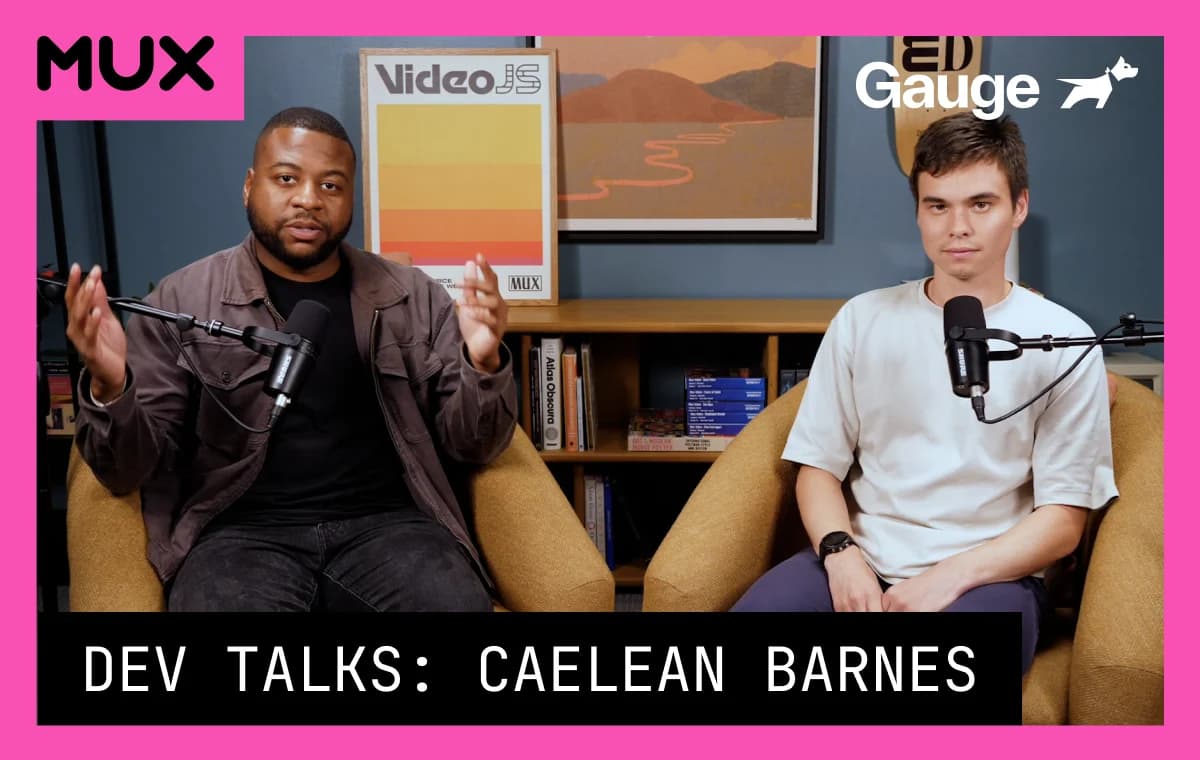
I recently designed and shipped a custom skin for the Video.js v10 player. It's live on Vercel, it’ll soon be deployed on the mux.com website, and I built it myself.
That last part still surprises me. I'm not a developer. I started my career laying out books in InDesign, and at the start of this year I was quietly hoping I could keep AI at arm's length. That’s changed. The speed was nice, but what stuck with me was how naturally AI fit beside the tools I already knew.
LinkA book designer at heart
I'm a traditional graphic designer. A jack of all trades, maybe, but definitely not a developer. My first job out of school was mostly designing books, specifically museum catalogs. I would lay everything out manually in InDesign. Many books I worked on were upwards of 400 pages.
I eventually grew into designing websites too, and today I'd just consider myself a brand designer. I do a little bit of everything. No matter what it is, though, I begin with a blank page and start the process manually. The by-hand exploration. Experimenting. Putting down shapes, colors, and text on the computer so I can respond to something. This is a slow process, but deliberate decisions along with delightful surprises add up to something that feels right.
LinkWill Smith eating spaghetti
By the beginning of 2026, AI was pretty much established as a core part of the engineering workflow. Six months later, almost every design tool I used received the AI glow-up too.
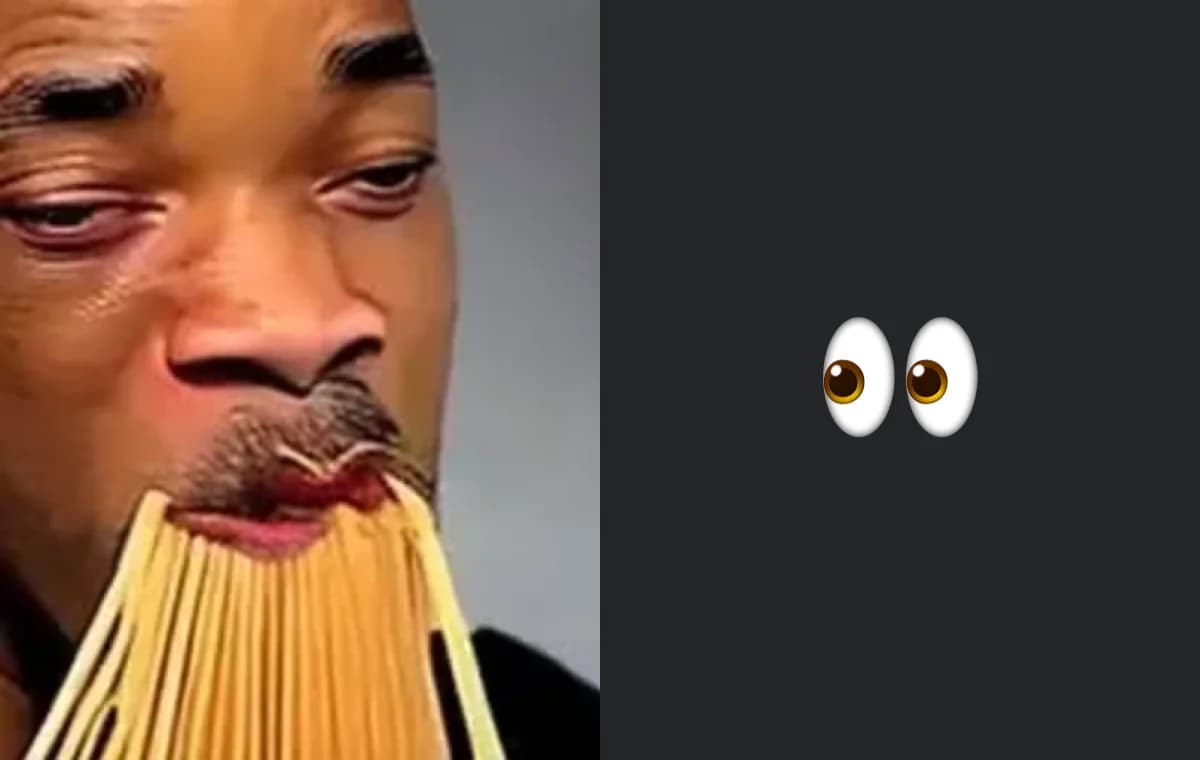
But I was skeptical. All I could picture was Will Smith eating spaghetti. That was only a little bit ago, right? How helpful could that slop really be for me?
For code, I understand it more. There's more or less a right answer, and a machine can check its work. But it’s hard to think about good design without the process and context — not just the output. I couldn't see where a tool like this could fit in.
So I kept AI at bay. I wasn't confident the tool would be useful, and honestly, I wasn't confident I'd know how to use it well even if it was.
LinkThe world didn't wait
Then the world moved on. My teammates were already swimming in the deep end while I waded around in the shallow waters.
One day I had a list of design tweaks for a new web page. I started sharing them with my developer coworker, and instead of working through them together, he tagged Claude in Slack and told me to ask it directly.
So I did. Instead of having to go through the granular details with my dev counterpart, I handed Claude my list of changes. It made them quickly. I could try a few different options too, without feeling like a burden. Seeing the results in the browser helped me refine even further.
That was the first crack in my skepticism … or even my insecurity. Now I felt empowered. Over the next few months using AI turned into a habit: more change requests via Slack, connecting Figma to Claude, designing layouts in Figma, uploading to Claude, and getting a v1 staging site to review.
LinkThe assignment: a Video.js v10 skin
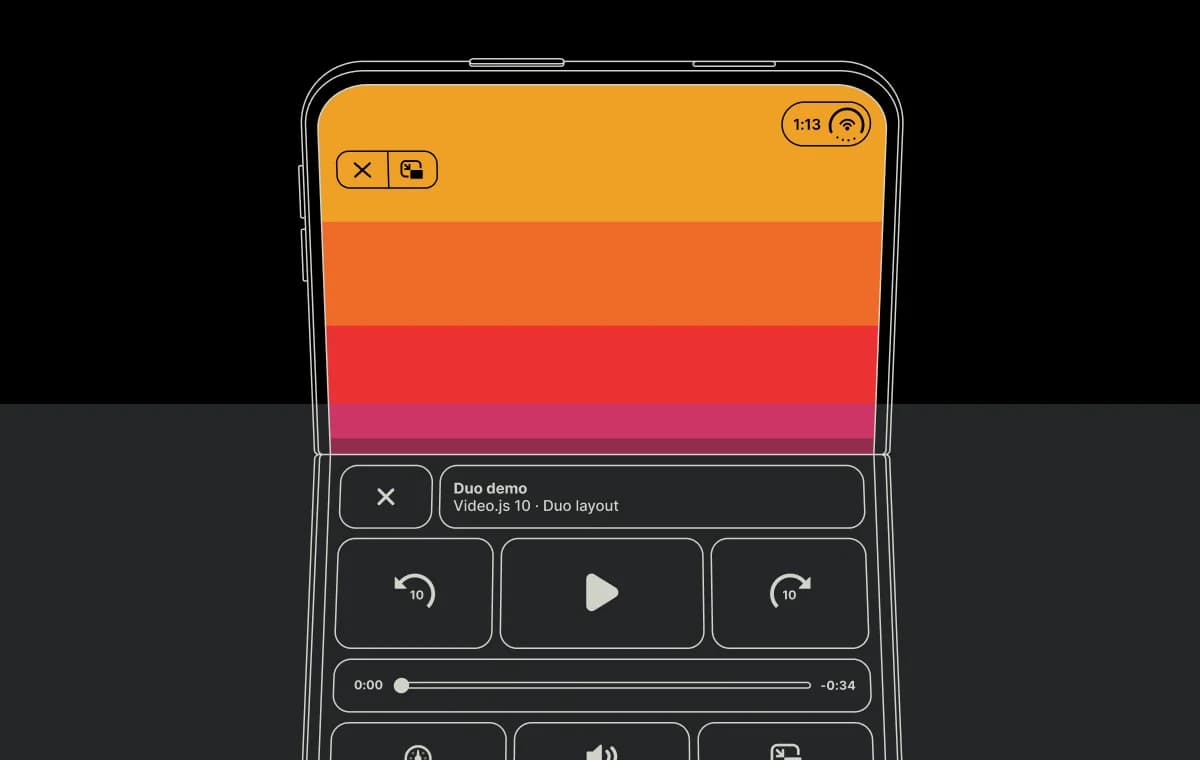
The real test came with Video.js v10. It’s now GA, and we’re moving the Mux marketing and docs sites from Mux Player to Video.js v10. We’re starting with the out-of-the-box skin, but I was asked to design a custom one to make it our own, and to build and deploy it myself. There was plenty of documentation to work from, but actually coding my own design? That was new territory.
Setting everything up was surprisingly simple. Install Node.js, use the Video.js skill from the Build with AI tutorial, and make a free account with a hosting platform. After that, I kicked things off with a simple prompt in Claude Code:
"Build me a video.js skin based off of the website mux.com. Pay attention to how they design their icons ... sharp angles, brutalist style, deceptively simple, sometimes playful."
Thirty minutes later I had a working player hosted on Vercel and was interacting with it in the browser. And that was supposed to be the hard part! The technical hurdle. Everything that followed felt natural and honestly a little bit exciting.
LinkFigma, Claude Code, browser, repeat
Claude didn’t replace any existing tools; it was just sitting between them. My process settled into a loop:
- Prompt Claude Code for an initial output: Get something working, even if crude, as a starting point
- Look at the result in the browser and interact with it
- Prompt a bit more for the basic refinements like spacing, sizing, colors, behavior: Get the quick wins out of the way
- When something needs further consideration, go back to Figma and sketch things out
- Design the details by hand: The icons, for example, get the full treatment, drawn and refined the way I'd refine anything else
- Feed those designs back into Claude to implement
- Back to the browser. Repeat.
Each tool does the thing it's best at. Figma is still where I do my creative thinking and exploration. The browser is where I judge. Claude Code is what closed the gap between the two, a gap I used to bridge with handoff docs, markups, and a lot of patience from developers.
It felt fluid in a way I didn't expect. I never had to choose between designing and building. I could move between them as fast as I could form an opinion.
LinkFrom intimidated to empowered
At the start of 2026 I was intimidated. Not by the idea that AI would replace me, exactly, but by not knowing where to start, and by the worry that I'd use it poorly and prove my own skepticism right.
Once I jumped in and tried it, the fear went away fast. Starting was easier than I thought and the thing I was most afraid of losing never went anywhere. The taste, the judgment, the by-hand craft: that was still my job. It was the part Claude kept asking me for.
If you’re a designer still standing in the shallow end, start with something you’d design anyway. A real project with a real deadline will teach you more than any tutorial. And don’t leave your craft behind. The more care you put into what you hand Claude, the better the result. The details are still yours.
As for me, what I gained was range. I can now take an idea all the way from a sketch to something live that people can use, without waiting on anyone. There’s still some refinement left with the player before it meets our standards, but that’s just a few prompts away.