This post is based on the full article “Multi-Property Management Lets Independent Groups Scale Without Losing Character” by Nicki Dehler, SVP of Product at Stayntouch. Read it here: https://hospitalitytech.com/how-independent-hotel-groups-can-scale-brands-without-acting-them
So you’ve got a few hotels. Maybe you’re eyeing another one. Congrats! Now comes the hard part.
Running five hotels isn’t the same as running one hotel five times. Every new property tends to show up with its own PMS, its own vendors and its own way of doing things. Before long, you’re not managing a portfolio. You’re managing a patchwork.
The fix isn’t becoming a big brand. (You didn’t go independent to follow someone else’s rulebook.) It’s giving your group a shared tech foundation, so you can coordinate like a brand while each hotel stays its own thing. Here’s how a multi-property PMS makes that happen.
1. Your regulars are regulars everywhere
Picture this: a guest has stayed at one of your hotels five times. They book a sister property and nobody knows who they are. Awkward.
With shared guest profiles, stay history, preferences and notes follow guests across your portfolio. Company and travel agent profiles come along too, so your sales team knows what an account is really worth to the group. It’s the kind of recognition that builds loyalty, no points program needed.
2. Big groups stop walking out the door
Ever had a group inquiry that was too big for one hotel? Without a view across your portfolio, that business usually goes somewhere else.
A single availability view lets your team split a group across properties or steer it to a sister hotel. Add global contracts and commissions, and managing high-value accounts at the group level gets a lot easier.
3. No more report-stitching marathons
At most independent groups, the “corporate office” is a few people covering revenue, finance, IT and operations for every hotel. Nobody has days to spare pasting together reports from each GM.
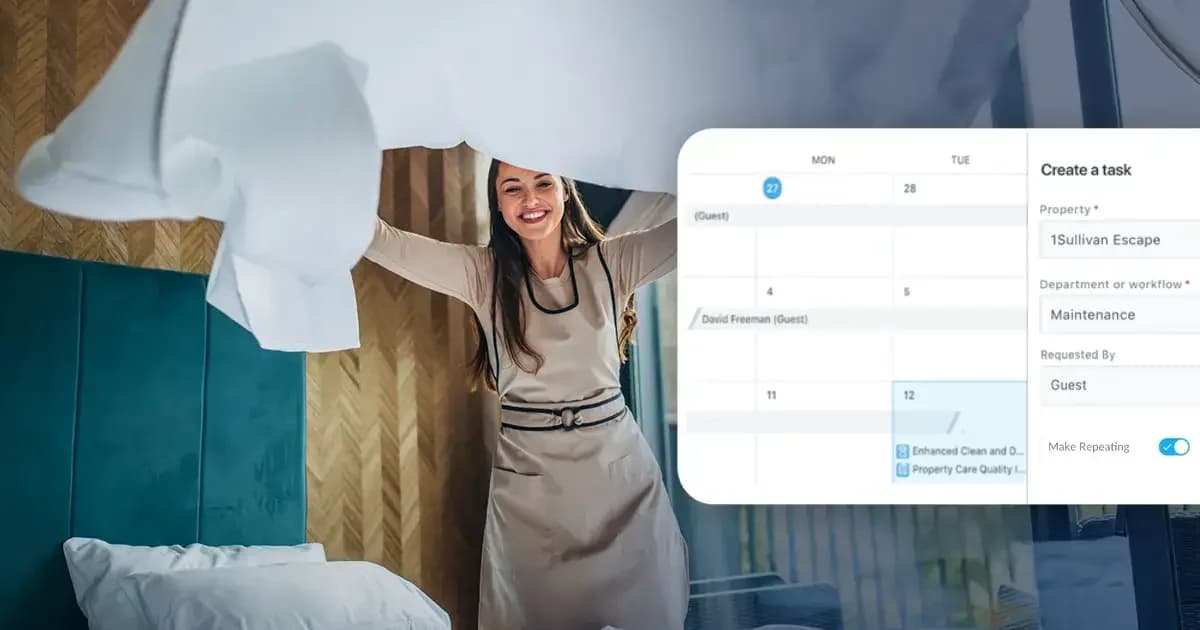
A portfolio dashboard shows occupancy and rate across every property, and lets you drill into one hotel or a custom group by region or concept. Reports roll up automatically, so owners get answers instead of waiting on spreadsheets.
4. New hotels get up and running faster
Configuring every new property from scratch is a serious time sink.
Instead, set your standards once in a corporate shell (rates, room types, charge codes, market segments) and push updates across the portfolio whenever things change. Your next acquisition plugs right in.
5. Your team can float between properties
When every hotel runs on the same platform, staff can cover a shift or transfer to a sister property without learning a whole new system. Training gets simpler, and building a bench gets easier.
But won’t everything start to feel the same?
Nope. The trick is to standardize the infrastructure, not the experience.
Guest data, availability, rates and reporting should be consistent. How each hotel greets guests, designs its spaces and runs its restaurant? That’s all yours. The right PMS also lets each property connect the tools that fit its operation, from restaurant POS to spa booking, while flexible groupings and user permissions keep each hotel running its own way.
Brand-level coordination behind the scenes. One-of-a-kind experiences out front. That’s the sweet spot.