It’s an exciting day for us here at Sonar when we get to announce a new programming language!
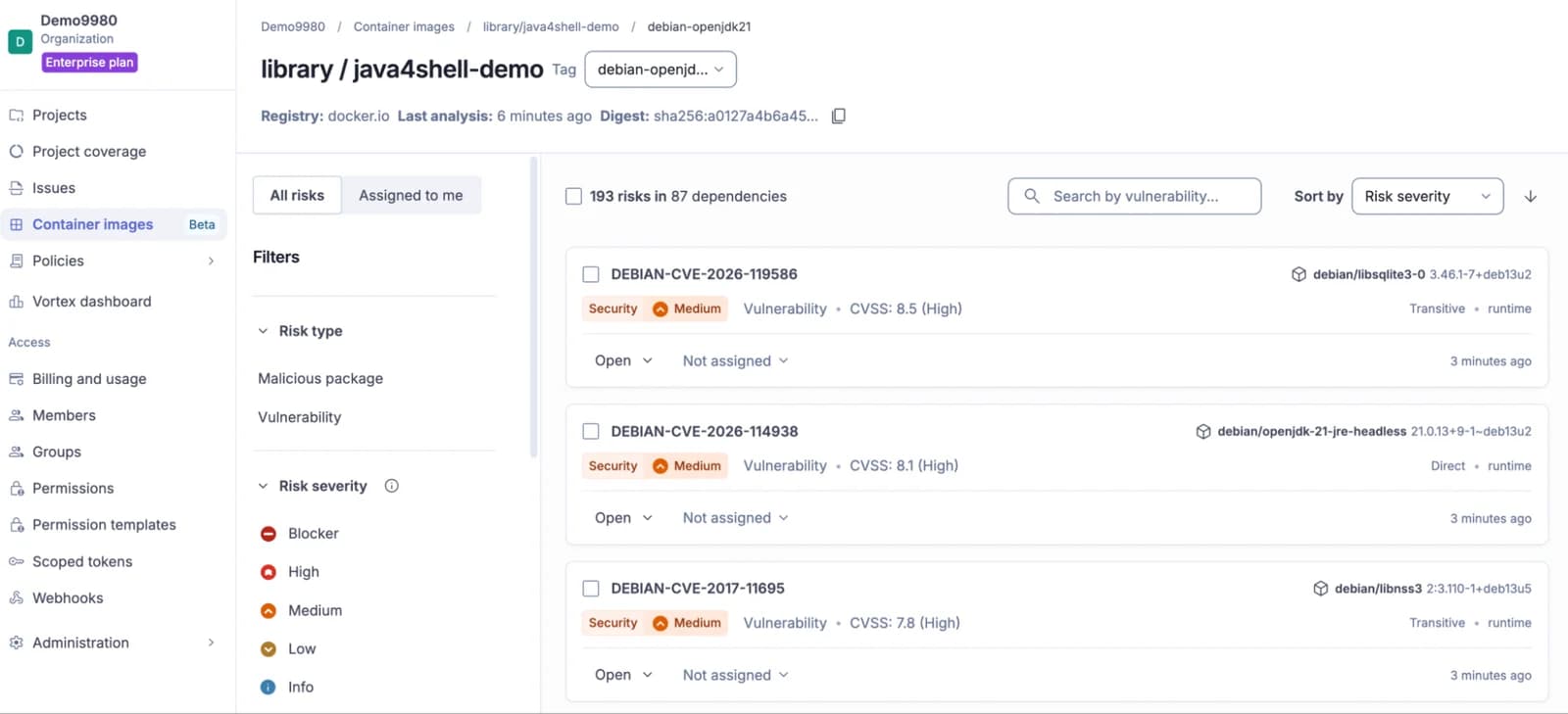
SonarQube Cloud now natively supports the Delphi programming language. This release brings deterministic security and quality analysis to a language that has run core business operations in banking, manufacturing, and healthcare for decades, without ever having a maintained security scanning option.
Delphi is not a language anyone writes for fun, and it has not been a language anyone writes from scratch in more than ten years. The applications still running on it are mission-critical by definition: large, often exceeding a million lines of code, and maintained by a small number of developers who understand systems that predate most of today's security tooling. As those developers retire faster than the applications shrink, the organizations that depend on this code face a widening gap between what they need to verify and what they are able to verify.
Where Delphi analysis stood before
Until this release, the only option for Delphi analysis was the sonar-delphi community plugin, an open-source project built over five-plus years of direct work with Delphi developers, now scanning more than 540 million lines of code on SonarQube Server. The plugin earned that adoption with more than 150 rules shaped by real usage. What it was never built to include is security analysis, which means Delphi has remained outside the audit and compliance scope that regulated organizations apply to the rest of their software estate. Plus, the community plugin was not available on SonarQube Cloud.
What’s new
Native Delphi support changes that. It adds security rules and secrets scanning plus the existing quality and maintainability rules directly to SonarQube Cloud, giving security and compliance teams a maintained, vendor-backed analyzer they can point to during an audit, instead of an unsupported community extension. This security addition helps your Delphi code comply with Cyber Resilience Act (CRA).
It also brings Delphi fully inside SonarQube's existing workflow, including quality gates, quality profiles, pull request and branch analysis, and quality gate pass/fail information in comments of your pull requests, so platform teams managing a mixed-language estate no longer need a separate process for Delphi. For teams turning to AI assistance to cover a shrinking Delphi workforce, Delphi code also integrates with Sonar Vortex , which improves agent-generated code quality before it reaches review, an important safeguard given how little Delphi training data most coding agents have seen.
Native support for Delphi brings it in line with the other 45+ languages SonarQube supports. It also opens a migration path that did not previously exist. Organizations that were blocked from moving from SonarQube Server to SonarQube Cloud, specifically because the community plugin had no cloud equivalent, now have a supported route to make that move.
Availability
Native Delphi support is available now in SonarQube Cloud Enterprise plan.