Editor’s Note: This blog is Part 1 of a three-part series exploring the major consumer buying shifts transforming retail fulfillment.
Every logistics leader understands the operational pressure of Black Friday. It is fast-paced and logistically complex — but it is also scheduled. You know exactly when the volume increases, you plan labor models months in advance, and you align your warehouse workflows to the calendar.
But what happens when a beauty or apparel product suddenly gains widespread consumer attention on a random Tuesday morning?
Suddenly, a fulfillment center is hit with a rapid surge of orders concentrated around a highly specific item, color, or formula, with very little warning.
Locus Robotics recently commissioned a quantitative study of 1,000 U.S. apparel and beauty consumers. The results confirm what warehouse operators are experiencing on the floor: the traditional retail calendar provides only part of the demand picture.
In fact, 26.5% of shoppers say there is no clear pattern to when they purchase apparel, beauty, or skincare products. Nearly as many consumers purchase without a predictable schedule as those who buy around retail’s largest official promotional events.
Welcome to the era of social discovery, where consumer interest develops quickly, moves fluidly, and creates highly variable demand patterns. Here is what these consumer shifts actually mean for your warehouse operations.
The Compressed Purchasing Window
Social media has significantly shortened the traditional retail demand cycle. Historically, a product launch progressed through weeks of planned merchandising, marketing build-up, and strategic inventory positioning.
Today, the time between initial product discovery and an order entering your fulfillment network has shrunk dramatically.
- The Stat: In the past six months, 59.2% of overall survey respondents reported purchasing at least one item after seeing it on social media. For Gen Z, that number reaches 78.5%.
- The Reality: Among those social shoppers, approximately 69% bought the product within three days of discovering it.
The Operational Impact
Fulfillment teams have very little lead time between a product gaining online attention and sudden order volume arriving at the facility. If a warehouse relies on rigid, fixed infrastructure designed strictly for stable, repeatable processes, a sudden hyper-concentration of demand around a single SKU can quickly create fulfillment bottlenecks.
Product Availability Dictates the Sale
For years, the industry narrative has focused heavily on achieving maximum delivery speed. However, the survey data reveals a different priority for the apparel and beauty sectors: shoppers prioritize product availability over pure delivery speed.
The Operational Impact
In beauty and apparel fulfillment, specific product variants matter. A shopper looking for a specific size, shade, or formula will rarely accept a substitute.
When unexpected consumer interest drives a sudden spike in demand, picking velocity explodes. If your fulfillment strategy does not support rapid replenishment to forward-picking locations to keep pace with that demand, the website reflects an out-of-stock status, and the sales momentum is completely lost.
The Strategy: Building Adaptability into the Fulfillment Environment
The operational challenge facing modern retail networks isn’t any single viral video or consumer trend. The challenge is that your fulfillment network must now manage large-scale, planned promotional peaks and rapid, unpredictable demand shifts within the exact same operating environment.
Permanently building out fixed warehouse infrastructure to handle the absolute highest projected peak results in underutilized capital during slower periods. Conversely, building strictly for baseline volumes leaves the operation vulnerable to sudden demand surges.
This is why forward-thinking logistics leaders are shifting away from rigid setups and adopting Flexibility-First Automation.
Instead of trying to forecast the unpredictable, operations are leveraging flexible automation as a core operational strategy to balance changing demand patterns:
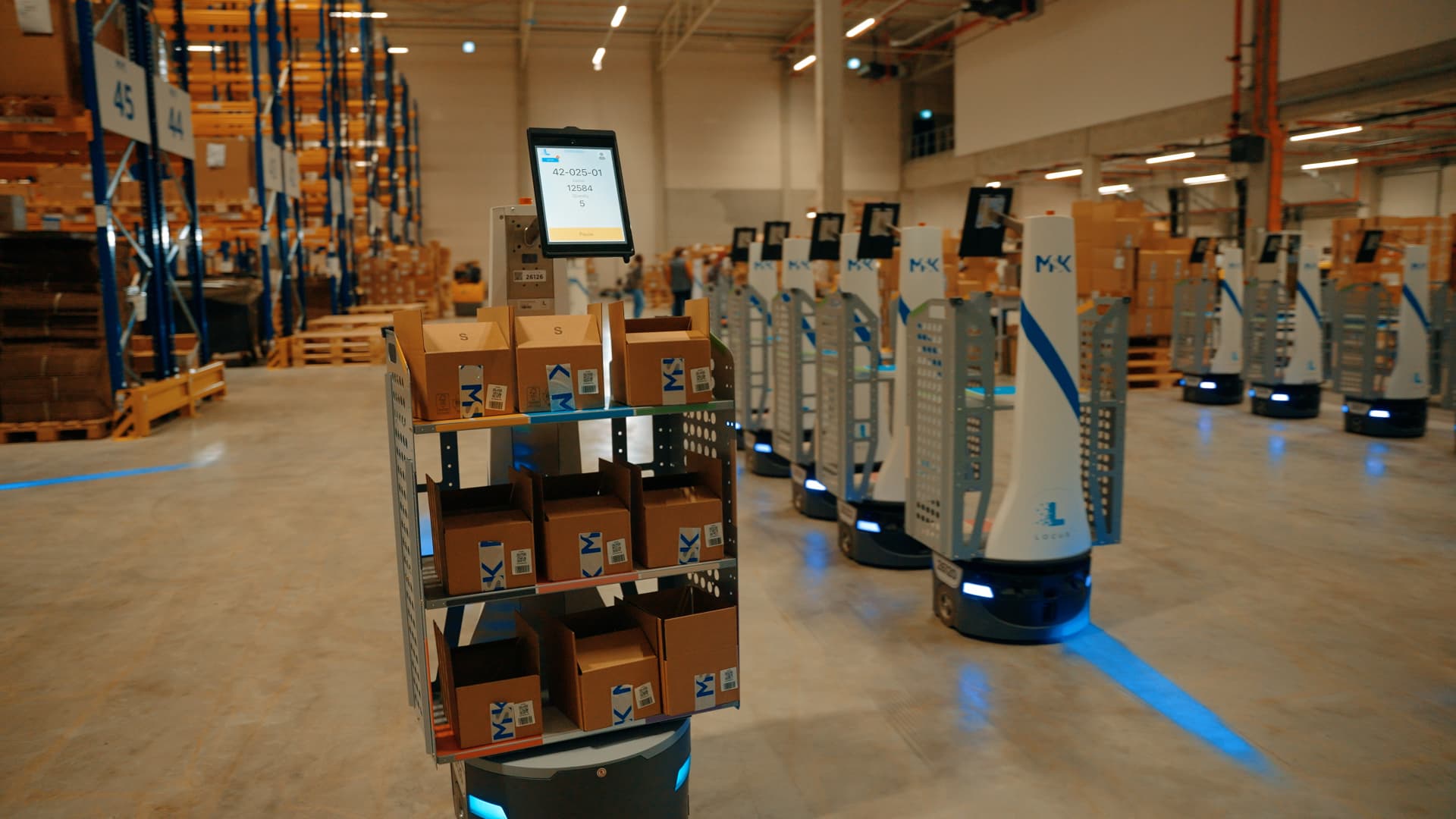
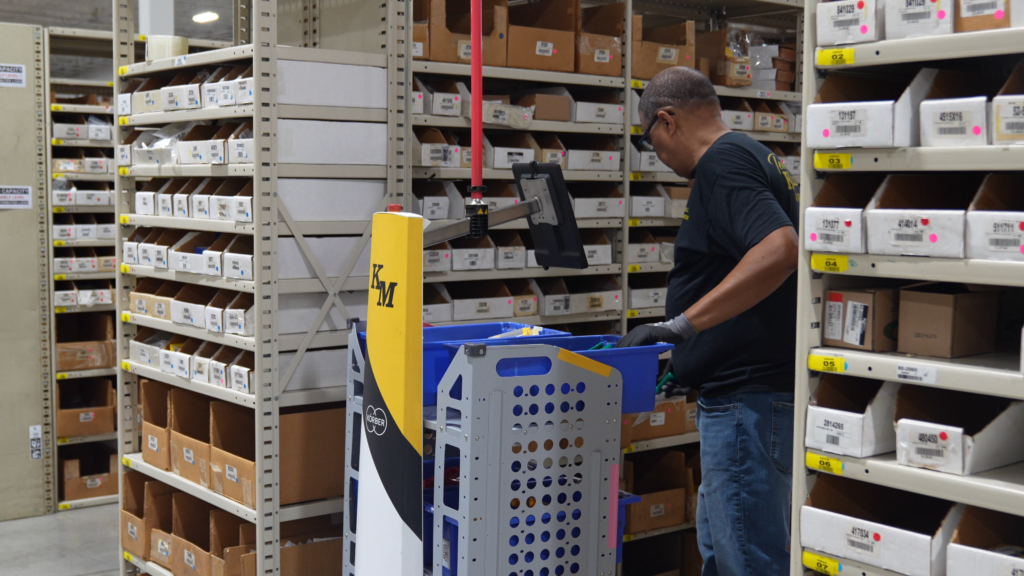
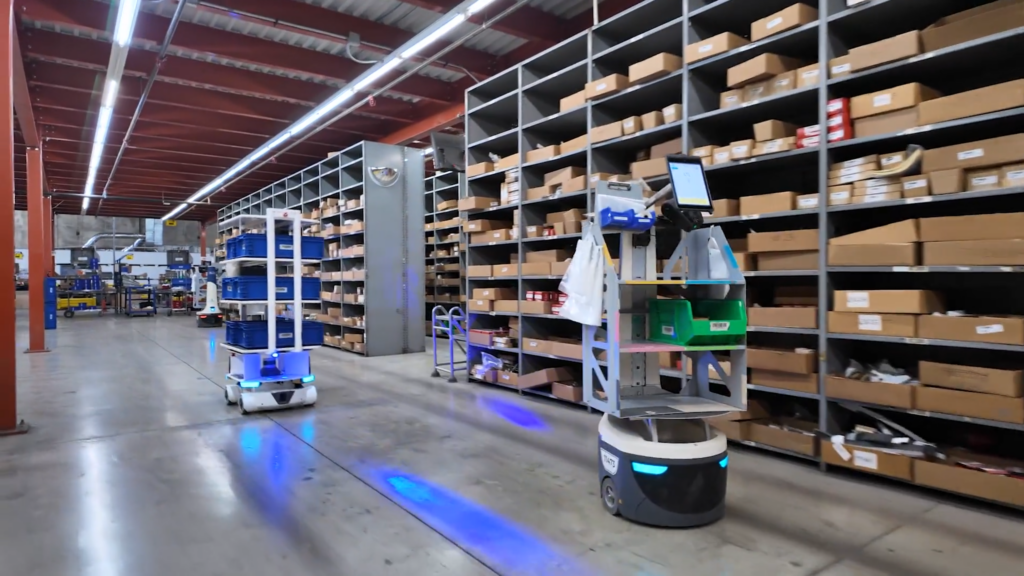
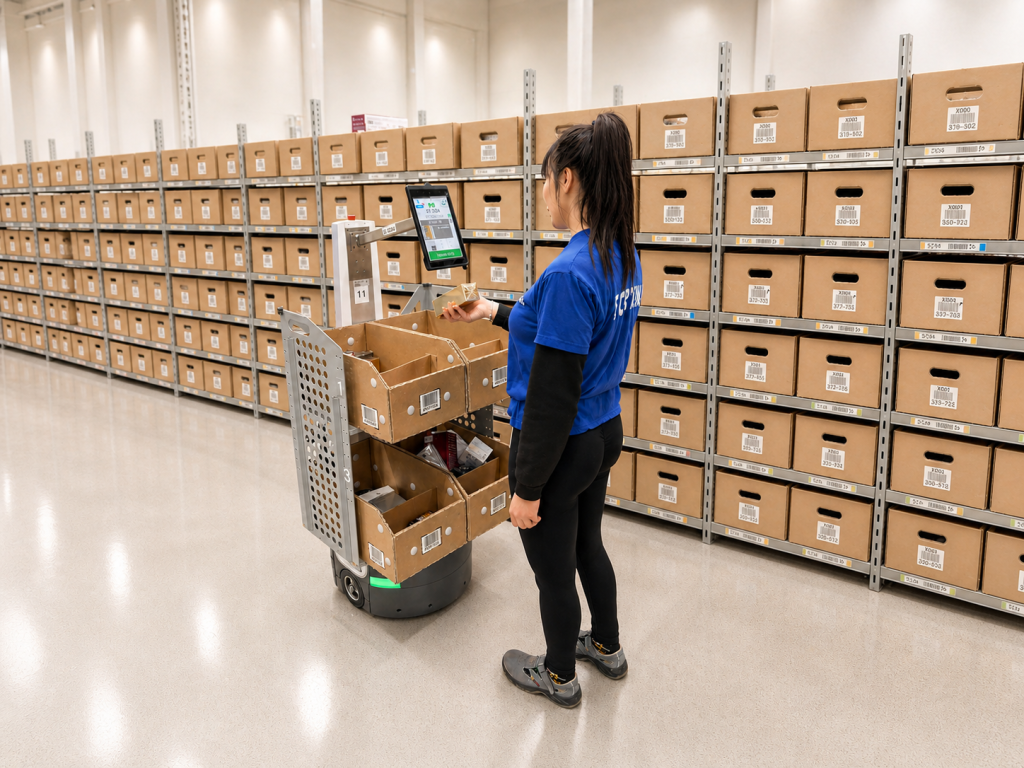
- Dynamic Workflow Reallocation: Effortlessly shifting autonomous mobile robots (AMRs) and associate resources from outbound picking over to rapid putaway and replenishment the moment demand concentrates around specific SKUs.
- Scalable Fleet Capacity: Utilizing a Robots-as-a-Service (RaaS) model to scale robotic fleet capacity up during known seasonal peaks or unexpected surges, without permanently committing to the capital expense of peak capacity.
The traditional retail calendar is no longer the sole driver of warehouse activity. The retailers that succeed will not be those trying to guess the next unpredictable consumer trend; they will be the ones operating a fulfillment network agile enough to execute seamlessly when it arrives.
What’s Next in This Series?
Over the few days, we will dive into the remaining findings from our research:
- Part 2: The Omnichannel Store Journey. Why physical stores remain central to the digital-first consumer journey, and how warehouses must balance retail store drops and direct-to-consumer parcel picking simultaneously.
- Part 3: The Reality of Intentional Returns. Unpacking the operational complexity of “apparel bracketing” and how reverse logistics must adapt to consumers who buy with the intent to return.
Can’t wait for the next installment?
Download our complete research report right now to unpack all four consumer shifts transforming retail operations and warehouse automation decisions. Read the Full Report: From Viral Demand to Intentional Returns
Explore Flexibility-First Automation Solutions
Frequently Asked Questions
What causes unpredictable retail demand?
Unpredictable retail demand can develop when consumer interest forms outside established promotional and seasonal calendars. Social media trends, creator content, product launches, and sudden interest in a particular item or variant can accelerate purchases with little advance warning. In the Locus Robotics survey, approximately 69% of respondents who made a social-discovery purchase bought within three days of discovering the product.
How can warehouses prepare for demand generated by social media?
Warehouses can prepare by building flexibility into capacity, workflows, replenishment, and inventory movement. Autonomous mobile robots can be redirected as demand concentrates around particular SKUs, while a Robots-as-a-Service model allows operators to increase robotic capacity for seasonal peaks or unexpected surges without permanently maintaining peak-level capacity.
What is Flexibility-First Automation?
Flexibility-First Automation is an approach to warehouse automation designed to adapt as demand, product mix, workflows, and capacity requirements change. Rather than building every process around one fixed volume forecast, operators can scale robotic capacity, reallocate resources, and support picking, putaway, and replenishment as fulfillment needs evolve.
Mary Hart
Sr. Content Marketing Manager
Mary E. Hart is Senior Manager of Content Marketing at Locus Robotics, where she leads content strategy, thought leadership, SEO, and customer storytelling focused on warehouse automation, supply chain technology, and fulfillment operations. She has authored research reports, white papers, eBooks, customer stories, and industry articles, and previously hosted the Warehouse Automation Matters podcast. Mary has spent her career creating B2B technology content that helps operations, supply chain, and technology leaders make informed business decisions.