Dev48
Language
  • About
  • Services
  • Industries
  • Technologies
  • Articles
  • Contacts
Book a call
    Home/Articles/An arduino uno q lets this vintage terminal answer questions without internet ac
Dev48
info@dev48.org+375 29 320-40-96WhatsApp@isky_by

© 2026 · All rights reserved.

An Arduino® UNO™ Q lets this vintage terminal answer questions without internet access

Source: Arduino Blog•October 2, 2026 at 12:24 AM

An Arduino® UNO™ Q lets this vintage terminal answer questions without internet access

We’re living in 2026 and everyone knows that they can ask a large language model (LLM) a question and get an answer. But most people assume that requires an internet connection, because those LLMs live in massive data centers. The truth is that LLMs can run on local hardware, answering questions…

An Arduino® UNO™ Q lets this vintage terminal answer questions without internet access

Arduino Team — October 1st, 2026

We’re living in 2026 and everyone knows that they can ask a large language model (LLM) a question and get an answer. But most people assume that requires an internet connection, because those LLMs live in massive data centers. The truth is that LLMs can run on local hardware, answering questions without any internet at all. Cameron Coward, of the Serial Hobbyism YouTube channel, took advantage of that fact, connecting an Arduino UNO Q to a vintage terminal.

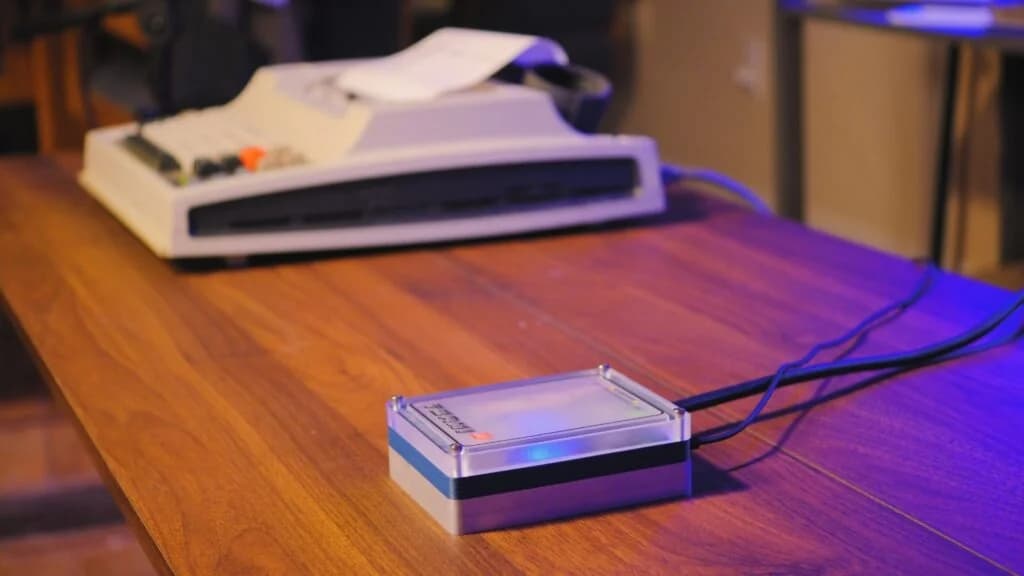
That terminal is a Texas Instruments Silent 700 (Model 745), which is a paper terminal that was made in the 1970s. Back then, it would have been used as an input/output device for something like a minicomputer, connected through either an acoustic coupler (remote) or RS232 (local). Users would type commands on the keyboard and computer output would print on the thermal paper.

For this project, Coward connected the Silent 700 to his custom-built device, Termi3, to give it the ability to answer questions. The user types a question and a moment later, the terminal prints out the answer.

As the name suggests, Termi3 is the third version of the device. The first two required internet access, because they retrieved answers through the Wolfram Alpha API.

Termi3 doesn’t need any internet connection at all, because it generates an answer locally on an UNO Q (2GB). The Arduino runs a local LLM, Llama 3.2-1B, on the Linux side without ever touching a network. It interfaces with the terminal though bit-banging on the STM32 side, which goes through a MAX3232 transceiver (for level conversion) to the terminal’s RS232 port.

It is amazing that an LLM can run on the small and affordable UNO Q at all, especially with 2GB of RAM. So, the LLM isn’t particularly sophisticated and its answers aren’t always accurate — or even coherent. But they are often entertaining, which makes Termi3 a lot of fun to talk to.
← All articles

What this article says

More in Consumer

All →
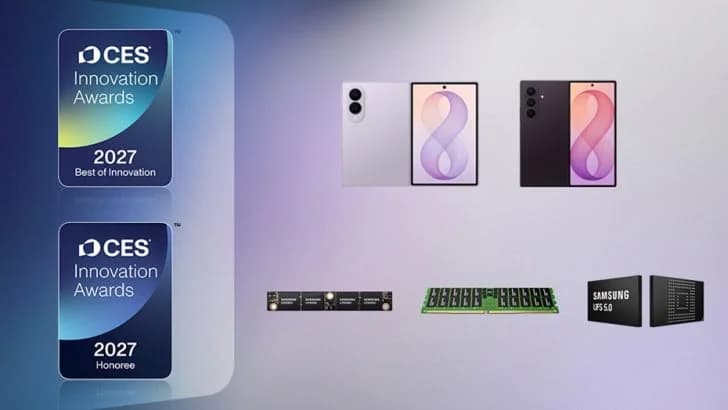
Samsung’s Latest Products Recognized by Consumer Technology Association Ahead of CES 2027
Samsung Electronics

Samsung’s Latest Products Recognized by Consumer Technology Association Ahead of CES 2027

Supreme Court agrees to hear Robinhood challenge to IPO information omission lawsuitПресса
Robinhood

Supreme Court agrees to hear Robinhood challenge to IPO information omission lawsuit

Why Keeping a Portable EV Charger is Worthwhile
Rivian

Why Keeping a Portable EV Charger is Worthwhile

Uber confirms hackers stole thousands of drivers’ license information in data breachПресса
Uber

Uber confirms hackers stole thousands of drivers’ license information in data breach

Apple, Alphabet and Uber survived major founder transitions. Nvidia will be a harder testПресса
Uber

Apple, Alphabet and Uber survived major founder transitions. Nvidia will be a harder test

Understand and Improve Your Sleep as a New Parent
Oura

Understand and Improve Your Sleep as a New Parent

More from Arduino

‘Tis the season: 5 projects to build with Arduino UNO Q bundle components
Arduino

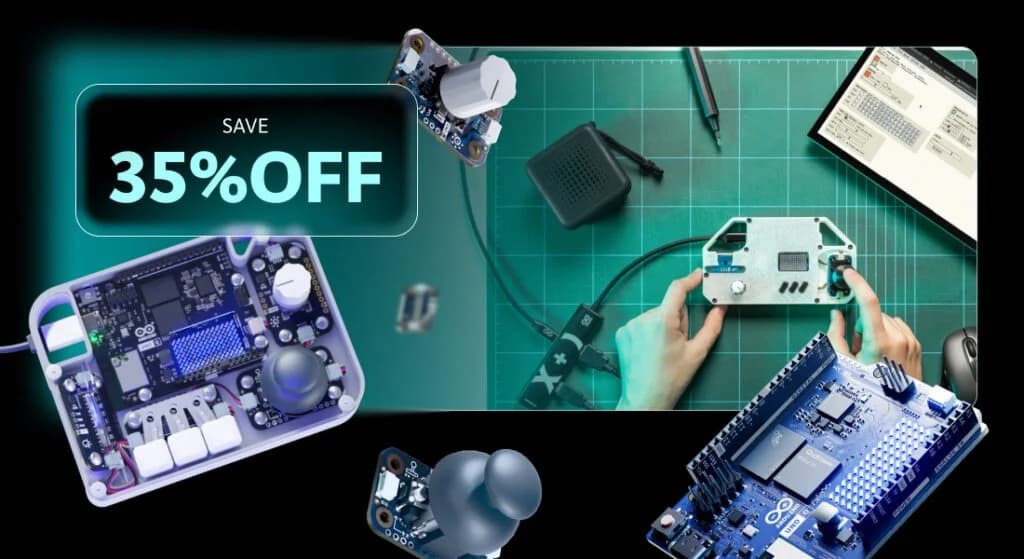
‘Tis the season: 5 projects to build with Arduino UNO Q bundle components

Just announced at electronica: the Arduino® Nano™ family is now XL!
Arduino

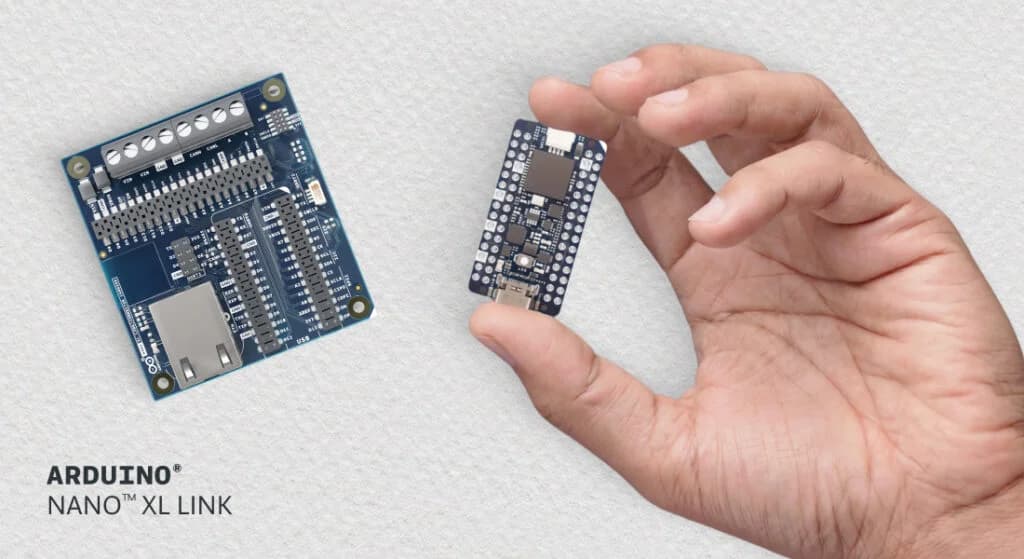
Just announced at electronica: the Arduino® Nano™ family is now XL!

Atmosis provides a digestible report, rather than raw environmental data
Arduino

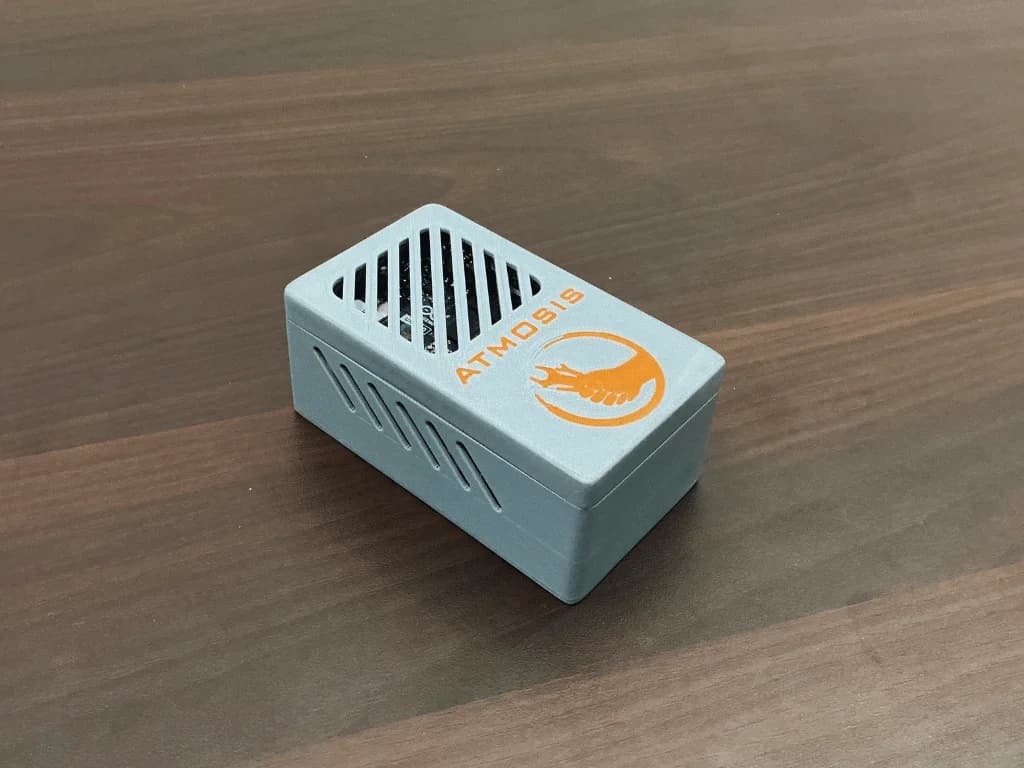
Atmosis provides a digestible report, rather than raw environmental data

Learn to make your own music – with the Arduino® UNO™ Q board
Arduino

Learn to make your own music – with the Arduino® UNO™ Q board

WaterLens uses AI on the edge to detect water quality issues
Arduino

WaterLens uses AI on the edge to detect water quality issues

Doubling down on solar power density with the Arduino® GIGA R1™ WiFi board
Arduino

Doubling down on solar power density with the Arduino® GIGA R1™ WiFi board