For most of the last decade, marketplaces measured third-party content by volume: listings, photos, and the time it took sellers to go live. That approach made sense when the biggest risk was a thin catalog.
In 2027, the problem is now too much content rather than too little. More retailers are adopting partner and marketplace models. Sellers and creators send video as readily as photos, and generative AI makes polished visuals easy to produce.
The question is no longer how much content you can take in, but rather if you can trust what comes in, and publish it fast enough to keep sellers moving. Most teams still feel forced to choose between moving fast and keeping control. These five trends will shape how marketplaces get both.
Not long ago, checking whether a seller’s photo was AI-generated was a niche concern. In 2027, it becomes part of the default upload process for any marketplace that sells on trust. Marketplaces need to check for AI-modified visual media as well as fully AI-generated images and videos.
The risk isn’t AI itself. Plenty of AI-assisted media is useful and on-brand. The risk is media that misleads. Think of a product enhanced to look better than what ships, a dish that won’t match what the diner receives, or a review photo fabricated to hurt a seller who did nothing wrong. Manual reviewers can’t reliably catch these at volume.
Left unchecked, misleading AI content can erode buyer trust across an entire catalog. The trend to watch is the shift in expectation. Authenticity checks move from an optional add-on to a step every image and video passes through. Suspect content gets flagged, labeled, and routed for a decision before buyers see it, which also prepares marketplaces for emerging transparency expectations around AI-generated media.
For years, seller video was an upsell, offered as a premium listing feature or a badge for top sellers. Now sellers and partners shoot clips on the same phone they use for photos, and buyers expect to see a product move, fit, or work before they commit.
In 2027, more marketplaces will treat video as a normal part of a submission, uploaded alongside images rather than requested separately. Video boosts engagement and conversion but it raises the stakes for review. A video has far more to check than a still image, including every frame, any on-screen text, and the audio track. Videos also arrive in a wider mix of formats and sizes, and need transcoding, captions added, and mobile-friendly cropping before they’re ready to publish. A pipeline built only for photos will either slow down or let video through with less scrutiny than images get.
The marketplaces that handle this well review video with the same rules and the same speed as images, so sellers aren’t penalized for sending more visual media for their listings.
Two years ago, a marketplace that could approve seller images within minutes had a real edge. Sellers noticed, and they listed more because of it. By 2027, that speed is now expected as standard.
Sellers now compare onboarding across every platform they sell on. If one marketplace takes a day to approve a listing and another takes a few minutes, the faster one wins inventory, especially from the high-volume sellers who matter most. Meanwhile, manual review queues that once worked at small scale grow more expensive and less consistent as submissions rise.
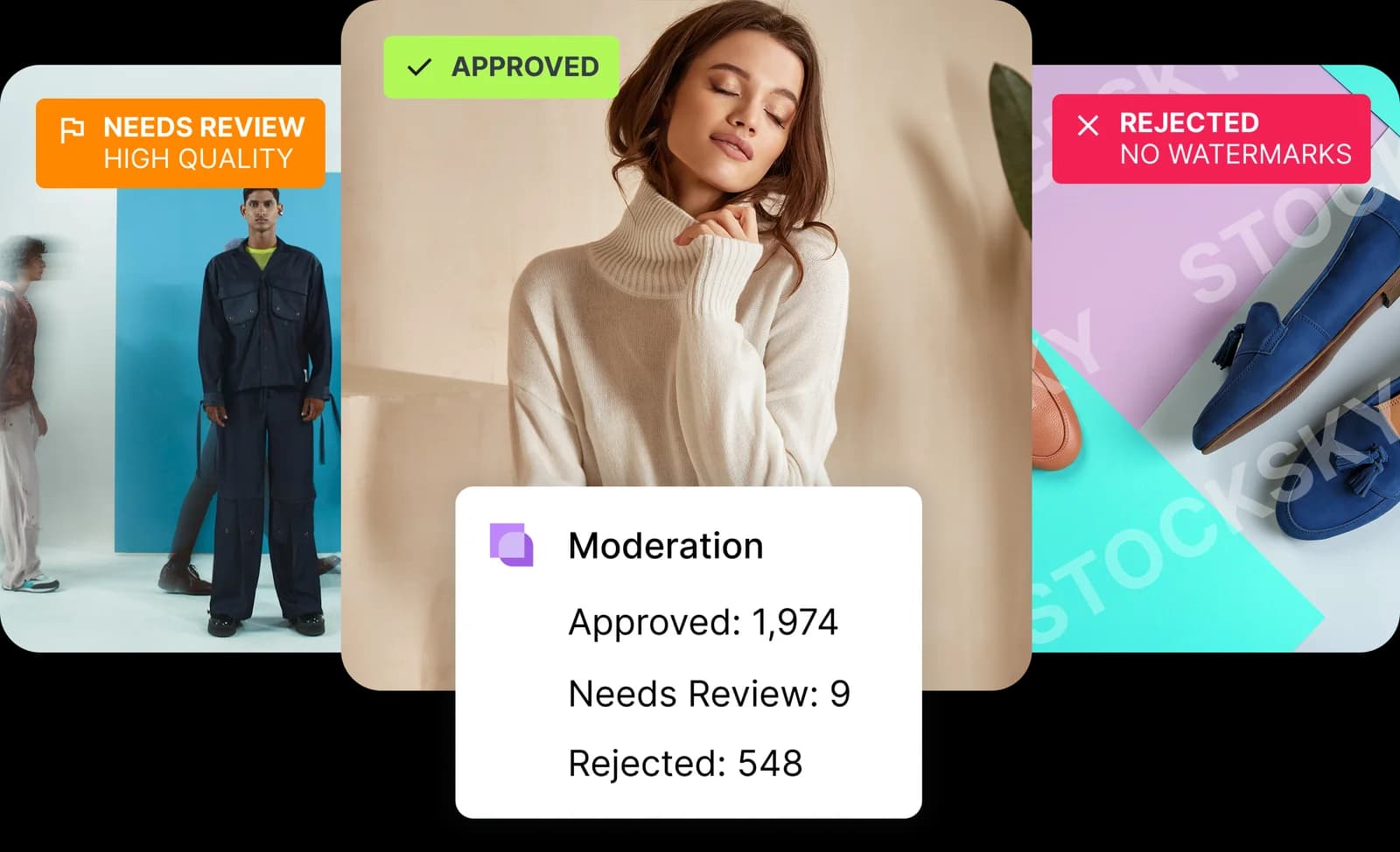
The answer is a review and moderation process that happens at upload. AI does the first pass against the platform’s own rules, clears what plainly meets them, flags what doesn’t, and routes the edge cases to a person for the final say. Each decision comes with a reason and an audit trail, so sellers get specific feedback on what to fix and your team can override a call when they need to.
Knowing where an image came from now matters as much as how it looks. Copying someone else’s product photo used to be treated as a nuisance. In 2027, it’s a fraud tactic. Bad actors can lift professional images from brand sites and other listings to make counterfeit or nonexistent products look legitimate. Honest sellers also grab images from the web without realizing they lack the rights, or submit watermarked stock photos and duplicates of other listings.
Take, for example, a company whose mobile app is temporarily pulled from an app store after a report that the images in it weren’t licensed. Another found that an image on its website actually belongs to someone else, and ends up facing legal action over it. For a marketplace, the consequences would be far larger than a single listing coming down. The whole storefront could go dark on one of its main channels, all because of content a third party submitted.
Reverse image search moves from an investigative tool to an upload step. Checking every submitted image against what already appears online helps flag reused, copied, or watermarked visuals before they go live. Storing the result as metadata gives trust and legal teams a record of where an asset likely came from, which matters when a claim does arrive.
The next shopper on your marketplace may not be a person. AI agents are searching catalogs, comparing listings, and increasingly completing purchases on a buyer’s behalf. If an agent is going to browse or buy from your catalog, the images and video behind every listing have to work for that agent, not just for a human scrolling a product page.
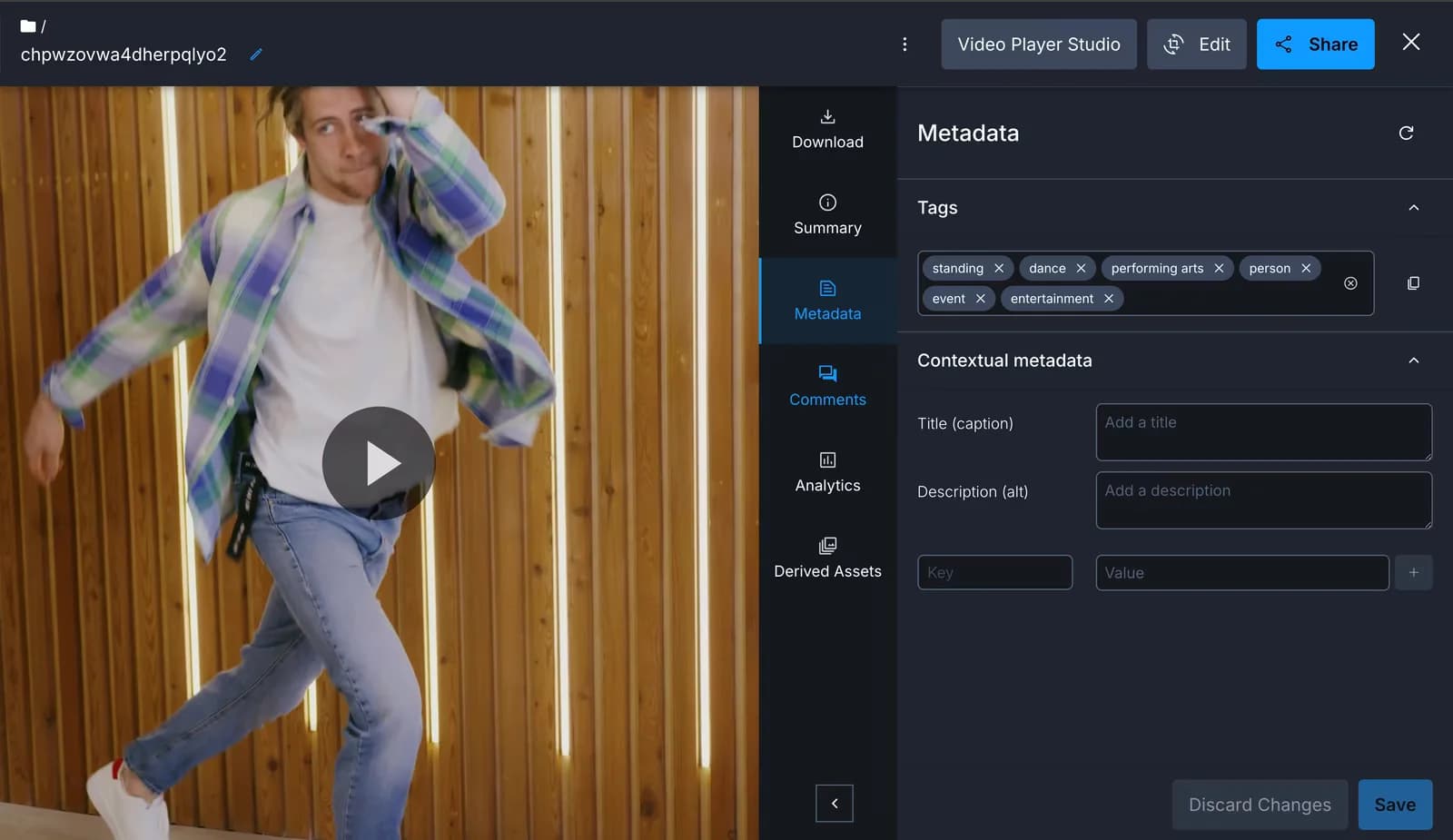
The shift changes what “good” third-party content means. A human shopper can glance at a photo and infer the color, material, and condition. An agent needs that information as structured data it can read — accurate attributes, consistent tags, descriptions tied to each image, and subtitles or transcripts for each video.
It also needs to trust what it’s reading. An agent that recommends a listing built on a stolen or misleading AI-generated photo passes that risk straight to the buyer, and to your platform.
For marketplaces, this ties the first four trends together. Verified, reviewed, well-structured visuals aren’t only safer for people. They’re what make a catalog legible to the agents that will drive a growing share of purchase decisions.
None of these trends are about collecting more content. Each one is about whether you can trust what sellers and partners submit, review it as fast as it arrives, and structure it for whoever, or whatever, is shopping next.
The marketplaces that treat third-party content as infrastructure now will spend 2027 onboarding sellers faster and fielding fewer disputes. The ones that don’t will spend it cleaning up.
Cloudinary helps marketplaces turn third-party images and videos into trusted, production-ready visual experiences, from upload to delivery. Cloudinary Moderation flags quality, brand, authenticity, and copyright issues against your own rules, with your team in control of the final call.
Cloudinary Image and Video normalize and optimize what’s approved, and MediaFlows automates the entire workflow across Cloudinary and third-party systems. See how it works for third-party visual content, or talk to our team about getting your pipeline ready for next year.
Manual reviewers can’t reliably spot AI-generated or AI-modified images at volume, so marketplaces are adding automated authenticity checks at intake. AI image detection models flag suspect content so it can be labeled or routed for a decision before buyers see it. Cloudinary Moderation includes AI-generated image detection as part of its marketplace content moderation workflow.
Reverse image search compares a submitted image against what already appears online, helping flag copied, reused, or watermarked visuals before a listing goes live. Storing the result as metadata also gives trust and legal teams a record of where an asset likely came from.
A video has far more to check than a still image, including every frame, on-screen text, and the audio track, and it arrives in a wider mix of formats and sizes that need transcoding, captions, and mobile-friendly delivery. Cloudinary’s e-commerce video hosting guide covers how automated transcoding and delivery help marketplaces handle video at scale, and the video transcription documentation covers automatic captions.
Review happens at upload: AI does a first pass against the platform’s own rules, approves what clearly meets them, flags what doesn’t, and routes only edge cases to a person. Each decision comes with a reason and audit trail so sellers get specific feedback. MediaFlows can automate the routing between steps, and the moderation PowerFlow documentation walks through a sample workflow for vendor-uploaded images.
AI shopping agents can’t glance at a photo and infer color, material, or condition, so they need that information as structured data: accurate attributes, consistent tags, descriptions tied to each image, and transcripts or subtitles for each video. Cloudinary’s structured metadata and auto-tagging capabilities help generate this at upload, and the guide to Cloudinary for AI agents covers how agents connect to media.
Yes. Automation handles routine approvals while edge cases go to a person who sees the reason each asset was flagged and can override the call. This lets marketplaces move quickly and keep control, rather than choosing between the two.