Small businesses can often trace winter storm damage back to a handful of preventable failures, like frozen pipes or power outages. The monetary losses of those failures to prepare can be significant. Think expensive repairs, ruined inventory and unplanned loss of income. To avoid the fallout of winter storm damage, take action before the first forecasted snowflake hits the ground.
Roughly one-in-ten small businesses have lost money due to extreme weather damage so far in 2026, according to the U.S. Census Bureau’s Business Trends and Outlook Survey data. In February alone, 77% of those with losses pointed to snow and ice as the cause. Nearly 28% suffered damages to their business from extreme temperatures.
Below, we’ll show you ten ways to winter-proof your small business so you can keep holiday season sales and services moving regardless of the weather.
How much could damage from a winter storm cost a business?
Winter storms pummeled the U.S. in 2025, causing an estimated $1.4 billion in losses, according to the Insurance Information Institute. Meanwhile, a journal published by Advancing Earth and Space Sciences projects there’s a 54% chance of severe weather causing a trillion dollars in damage between 2026 and 2030.
JoAnne Loftus, president and owner of floor plan firm Archival Designs, knows how damaging a winter storm can be to a small business.
Two years ago, a fierce storm swept through Suwannee, Georgia, where her business is located. “Temperatures plummeted suddenly and remained there for almost a week. Within no time, pipes throughout our building froze,” she says.
“By the time we discovered the damage, water had seeped into the walls and part of the ceiling had collapsed,” she says. The storm caused thousands of dollars in damage to the building, and a 36-hour power outage brought work to a standstill.
Fortunately, Loftus had commercial property insurance to help cover some of the costs of repairing the pipes, restoring the damaged walls and replacing the ceiling.
Now, she says, “We are no longer waiting for the forecast to tell us when winter is coming.” Her firm prepares for winter ahead of time. “Every year in the last week of October we go through the list of things to check before the cold weather hits,” she says, including a pre-winter roof inspection. “It takes about a day to go through each point on the list but it’s now a normal part of our end-of-year activities.”
10 tips to ready your small business for winter weather
Here’s how to prepare your commercial property ahead of the season’s worst rain, snow, sleet, hail and ice.
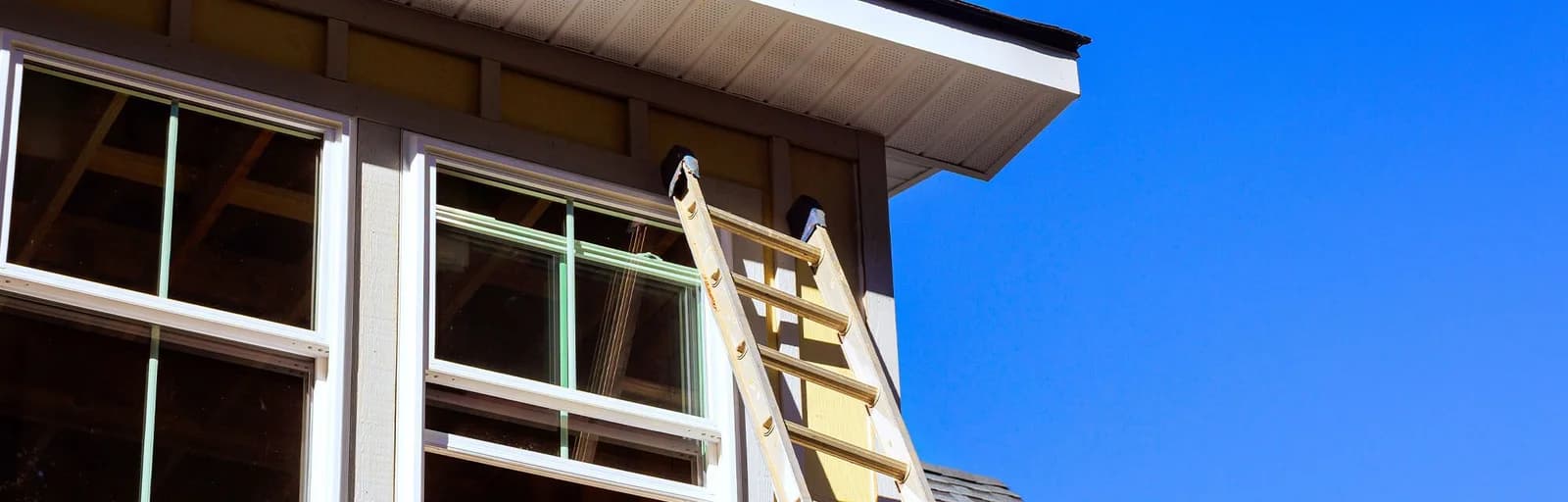
1. Schedule a roof inspection
An inspection with a licensed, experienced roofing contractor might cost a few hundred dollars, but an ice-damaged roof could cost you much more.
A joint study from the Insurance Institute for Business and Home Safety and Verisk recommends regular inspections to ensure the underlayment and ice barrier are properly installed, and that attic equipment is enclosed.
2. Insulate exposed pipes (and keep the heat on)
Pipes in unheated spaces and exterior walls are at greater risk of freezing when the temperature plummets. Wrap pipes with foam sleeves or heat tape to shield the pipe, and make sure to leave the heat on overnight and over the weekend.
Bob Caldwell of Cardwell HVAC & Plumbing in New Jersey says a portable space heater can be handy. “If you have water pipes running through unheated spaces or just drafty areas, place a space heater so that it directs warm air toward the pipe to protect it from freezing,” he says.
3. Document your property and review your business insurance coverage
Prepare an inventory of your business property and document your building condition now, before a storm comes through. This information could be helpful if you have to file a claim.
Commercial property insurance could help cover costs for your business building and the contents of your business property inside it, such as equipment like computers or laptops, business furniture, lighting, displays and other built-ins, products and inventory.
Review your policy closely to make sure you have the coverage you need. “Many business owners mistakenly assume that their insurance covers all types of weather-related damage, only to discover coverage gaps when it’s too late,” Cardwell says.
4. Service the HVAC/heating system
Have an HVAC professional inspect your furnace or boiler for worn parts or failing electrical connections. Schedule the inspection and any necessary service repairs ahead of the season so your heating system will perform reliably when a cold snap comes.
5. Install water leak sensors and temperature alerts
When a pipe freezes, you might not notice the damage until after the ice thaws and the pipe leaks. Set up a smart water leak sensor to detect drips and send alerts to your phone so you’re notified if something goes wrong, even after hours.
Pair the leak detector with a temperature sensor that can alert you if the heat fails and puts your pipes at risk.
6. Seal drafts and add storm windows
Seal gaps around windows and doors to prevent cold air from leaking in and freezing your pipes or damaging your equipment. Also check other entry points to your building, such as spots where pipes or wires pass through the wall.
Older buildings with single-pane windows may benefit from storm windows which provide a layer of insulation. They could also help to protect the glass from storm debris.
7. Trim trees and secure outdoor business property
Winter storms can coat trees and power lines in a heavy jacket of ice. This added weight can cause branches to snap and could cause building damage.
Trim back branches that hang over walkways, entrances or the roof of the building. If a limb is located close to a power line, call the utility company to handle it.
Check and secure your outdoor business property, such as signage, awnings or outdoor furniture and planters. Under strong winds, these items can damage your building or nearby cars.
8. Stock ice melt and arrange for snow removal
If you rent your commercial storefront, office, warehouse or manufacturing facility, check your lease to see whether it’s you or your landlord who are responsible for snow removal. If you own the property, have a plan in place, especially if you use a snow removal contractor.
Don’t wait for a storm to be announced before you pull out your shovel and ice melt. Keep them close to entrances at the start of the season. Clear sidewalks and parking areas before you open. Give the ice melt enough time to work before customers arrive.
9. Plan for power outages
Winter storms can knock out power, sometimes for days at a time. Be sure you understand what parts of your business an outage could affect, such as:
- Heating
- Communications
- Payment processing
- Security system
- Equipment operation
- Computer usage
- Sump pump operation
- Refrigeration
Restaurants and other food and beverage businesses could be seriously impacted by a power outage, which could put food safety and inventory at risk. A generator could help keep the lights (and fridge) on; make sure you have adequate fuel and test it before the season settles in. Every month, remember to run the generator for a few minutes and check oil levels to keep it working.
After her power outage issues, Loftus installed a backup power system for about $3,200 that can power the heat and essential systems through a short outage. Portable gas-powered generators can help, too.
It’s also a good idea to back up important digital files ahead of time. Save them and your essential business records to cloud storage just in case of a long-term power failure.
10. Prepare your emergency closure rules and procedures in advance
Make a plan now for the conditions under which you close your business down. Planning ahead means that you won’t have to make those decisions under pressure. Then, create a document with all the information your team might need in an emergency situation, such as:
- The location of the main shut-off water valve.
- The location of the electrical breaker.
- Phone numbers for your electrician, plumber and HVAC service.
- Contact information for the landlord (if applicable).
- Contact information for your business insurance company.
- Employee or emergency contacts.
Distribute this document to key employees so you’re all on the same page.
Make a plan for how you’ll reopen your business, too. You’ll want to inspect the property, note any damages and update your customers before you reopen.
Why trust ERGO NEXT to insure your small business?
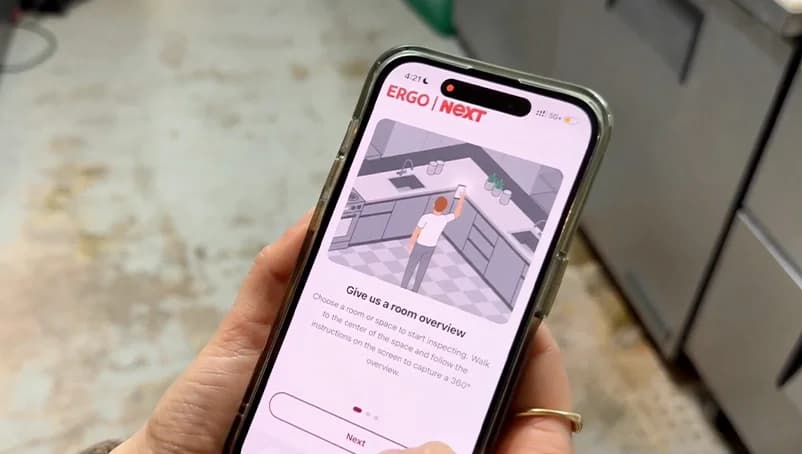
ERGO NEXT makes it fast, easy and affordable to protect your small business — and you can do it all online.
We’ll ask a few questions about your business and give you a quote. You can select your coverage options and buy your policy in about 10 minutes. Share your certificate of insurance at no extra cost, and you can access your policy 24/7 via web or mobile app.
If you have questions, our licensed, U.S.-based insurance professionals are available to help.
Start a free quote with ERGO NEXT.