Small Business Saturday (November 28, 2026) is more than a shopping day. It’s a chance for retail shops, restaurants and the nation’s 36.2 million independent businesses to connect with customers who value local business and supporting their community.
Increasingly, marketing strategies for small business owners can reach customers long before they walk through your door. Consumers scroll stores on social media, talk to friends and neighbors, and walk your block long before they shop. How can your small business’s digital and physical reach engage, share your story, build excitement and loyalty, and convert?
Keep reading for 15 proven strategies that can help your independent, local small business stay safe and protected while turning community spirit into sales success.
What is Small Business Saturday?
Born from an American Express campaign in 2010 and co-sponsored by the U.S. Small Business Administration since 2011, Small Business Saturday is part of a national initiative to support small businesses and strengthen the local economy between Black Friday and Cyber Monday. The event has grown into a movement that has driven over $100 billion in local spending since 2021.
American Express reports that in 2025, U.S. shoppers spent an estimated $18 billion at independent stores and restaurants. The right promotions, marketing and advertising can turn those numbers into opportunities for your business to help you drive sales through the holiday season and beyond.
1. Update your online info so shoppers and AI can find you
Check that your online business details are accurate wherever holiday shoppers and diners might find you.
- Update your website, Instagram, Facebook and Google Business Profile with holiday hours, new photos and product and service promotions.
- Review your return and exchange policies to make them clear and customer-friendly.
- Pin key posts on social media with your latest deals, products and services.
- Check that your website loads quickly on mobile. Many shoppers look for local businesses on their phone.
2. Pitch your story to local media
You don’t need national coverage to get noticed. A quick pitch to your local newspaper, community blog or neighborhood newsletter can help spread the word, especially if your business has a story.
“On Small Business Saturday I tell customers exactly where their money goes,” says Alyssa Ostroff of Self-Care Shirts, a Florida-based e-commerce shop offering mental health apparel and gifts, Partial proceeds from every sale support mental health non-profit organizations. ““As a tiny, founder-led brand, I can’t out-discount anyone. So I lean into the one thing a big retailer can’t copy: Meaning,” she says. “I show up as a real person behind the brand.”
That’s the kind of angle local media outlets can craft holiday coverage around. Highlight what makes your Small Business Saturday plans and business unique, such as a special event, collaboration or seasonal collection. Include great photos if you can. A small local feature can go a long way toward building awareness and credibility.
3. Send a two-week holiday email campaign
Your email list is a direct line to people who are more likely to value your business. Build momentum for them to shop small with a simple sequence:
- Two weeks ahead: Share your Small Business Saturday plans.
- One week before: Highlight what makes your business unique.
- Day before: Remind people about hours and your special offers.
“This year, I’m scheduling my email and content well in advance instead of scrambling,” Ostroff says. “Email has consistently been my highest-converting channel. A warm, personal note to my list does more for me than any ad.”
She adds: “The goal is to attract people who connect with what the brand stands for, not just the people waiting for a code.”
You can build on your email sequence by including limited-time offers, early shopping hours or a new product drop. Free or low-cost tools like Mailchimp or Shopify Email make it easy to design polished campaigns that promote your message without extra staff or budget.
4. Partner with local content creators
Reach out to social media content creators, as they’re often looking for brand partnerships and connections. A 2025 American Express report found that 82% of small businesses who market on social media see a spike in sales when content creators post about them, and 81% said engaging with creators grew their customer base and drove sales.
That can help you get the kind of reach that draws new customers to your business. The report also found that 81% of Millennials and Gen Z discovered a new-to-them restaurant or retailer through social media, and 75% said recommendations influenced their decision to shop at a small business.
5. Post authentic behind-the-scenes (BTS) content
Free scheduling tools or AI caption generators can help remind you to post consistently and make posting easier.
6. Boost top posts with location-targeted ads
Try boosting a top-performing post or running a simple Facebook or Instagram ad targeted to your ZIP code. Keep the message short. Highlight your best offer, product or event and link directly to your website or store hours. Targeting your ZIP code can help keep your ad spend focused on local prospects for a better return on your investment.
7. Run a contest or giveaway
Create a contest that gets people excited before Small Business Saturday. Ask followers to tag a friend, share a favorite product or post a photo from your store for a chance to win a prize or gift card. The extra buzz helps your brand reach new audiences and reward loyal customers.
Encourage engagement without overspending. For example, restaurants or cafés can offer a free drink or dessert; retailers might give a small gift.
8. Make it easy to buy online or in store
Test your online shop and make sure it’s as easy to shop from as your brick-and-mortar store.
- Use in-store QR codes to link to your online menu or ecommerce site.
- Offer curbside pickup or quick online ordering for local shoppers.
- Offer digital gift cards or wish lists to make gifting simple.
A smooth, connected experience keeps customers shopping with you no matter how they like to buy.
9. Team up with neighboring shops and food spots
Small Business Saturday works best when local businesses support one another. For example, if you’re a retailer, team up with local food businesses to add flavor to your event and create an opportunity for cross-promotion.
Great shopping can go hand-in-hand with treats from a café, brewery, food truck or local bakery. Offer coffee samples in your store, share coupons for each other’s customers or host a joint tasting event. This tip works just as well for service-based businesses — think salons partnering with boutiques.
Collaborate on joint promotions, bundle complementary products or share each other’s posts on social media. You’ll establish relationships that transform supporters into customers (and customers into advocates).
Partnering with neighbors helps everyone attract more foot traffic, share audiences and celebrate what makes your community unique. Check with your local Chamber of Commerce or Main Street association — many organize a shared community event or provide free Small Business Saturday signage and promotional materials to encourage local shopping.
10. Organize a holiday stroll
Work with nearby businesses to organize a small holiday walk or “shopping crawl.” Keep it simple while offering small treats and special discounts. Provide a map or flyer to show where customers can easily visit multiple stops in one trip.
Make it festive by stringing lights between shops, setting up warming stations with hot chocolate and cider, and filling the sidewalks with live music to create a buzz and draw crowds. Give people a reason to say, “Oh, we have to go there — it’s a tradition!”
11. Host an in-store event
Create experiences, not just sales, and give your customers connection, community and a reason to linger. Events that celebrate your local community, from live music to maker demos, help create memories that keep new customers coming back long after your Small Business Saturday event ends. Even a simple “holiday open house” with warm drinks and a photo backdrop can create memories that bring people back.
Consider what could entice your customers to stop in and stay awhile:
- Host a “Sip & Shop” evening with light refreshments and small giveaways.
- Run a product demo or mini workshop to show how your items are made or used.
- Invite a local artist or musician for live entertainment that fits your space.
- Host a tasting event, mini class or behind-the-scenes kitchen or workshop tour.
- Create a photo corner or DIY gift-wrapping station for an easy, shareable moment.
- Team up with nearby businesses for a joint pop-up or shared promotion.
The key is to make it interactive. When customers participate, they tend to stay longer and spend more. Offer small treats, music or free samples to make it feel festive without overextending your budget.
12. Host a pop-up market in your space
If you have the room, invite other small businesses to share your shop. A pop-up marketplace with artisans, makers or complementary retailers and service providers can draw more visitors and keep them shopping longer. If space is tight, try rotating guest vendors on the weekends leading up to the holidays.
For instance, a bookstore could bring in local authors, or a cafe could feature local food producers. This way, you become more than a single shop. You’re a hub for discovering the best local small businesses.
13. Reward loyal customers
Reward loyal shoppers with inexpensive but valuable small perks, such as early access to new items, bundled gifts or a thank-you coupon for a future visit. These gestures feel personal and help build long-term relationships rather than one-day sales.
On the big day, reward your early risers with incentives like first-hour specials to get people talking. Then create afternoon momentum with fresh deals that bring in the late crowd. When customers are excited to buy, it’s the perfect moment to upsell complementary products that boost average order value without adding pressure.
“My biggest mistake was training customers to wait for a discount,” Ostroff says. “Early on, I relied too heavily on percentage-off codes, and it quietly ate my margins while teaching people to never pay full price.”
14. Turn happy shoppers into referrals
Word-of-mouth is still one of the most powerful (and affordable) marketing tools for small businesses. Encourage satisfied shoppers to refer friends by offering a small reward, such as a discount, free gift or entry in a local giveaway.
If your customers do refer you, follow up with a quick thank-you note or email. Customers are more likely to recommend your business again when they feel appreciated.
15. Keep your story going after Small Business Saturday
Don’t let your momentum stop once the decorations come down. Keep telling your story on social media and through email. Highlight what’s new, introduce your team or share customer favorites.
“When I lead with why the brand exists and who it helps, I sell more and discount less. And the customers I earn that way actually come back,” Ostroff says.
Focus on consistency and authenticity. Let your customers see the people and purpose behind your business. If posting regularly feels tough, AI tools can help you brainstorm ideas, schedule posts and keep your story flowing all year long.
The risks to your business during the holiday season
With more foot traffic, full tables and packed schedules, Small Business Saturday can bring both opportunity and added risk. A busy kitchen or store floor can mean more accidents, injuries, product and inventory issues, or delivery mishaps.
Business insurance could help protect you, your employees, your customers and your shop when things don’t go as planned. Depending on your policy, coverage can help with:
- Costs if a customer, vendor or employee injures themselves or damages property during an event in your store.
- Protecting the business space that you lease or own and its contents, such as your products and inventory, business computers, furniture, flooring, displays and lighting if they’re stolen, vandalized, or destroyed by fire or a broken water pipe.
- Medical expenses and lost wages if an employee is injured while setting up or serving customers.
- Liability costs if a customer claims that a product you make or sell caused them harm or damaged their property.
- Costs if your business vehicle or equipment is damaged during deliveries, pickups or other business driving.
The right business insurance protection can help you focus on customers, not setbacks. ERGO NEXT makes it easy to get affordable coverage tailored to retailers, restaurants and service providers.
How ERGO NEXT protects your small business
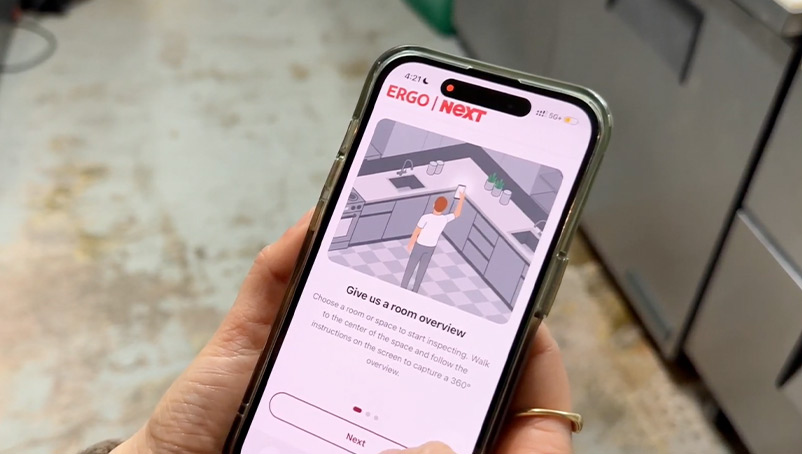
ERGO NEXT makes it fast, easy and affordable to protect your small business — and you can do it all online.
We’ll ask a few questions about your business and give you a quote. You can select your coverage options and buy your policy in about 10 minutes. Share your certificate of insurance at no extra cost, and you can access your policy 24/7 via web or mobile app.
If you have questions, our licensed, U.S.-based insurance professionals are available to help.
Start a free quote with ERGO NEXT.