For years, engineering teams have faced the same challenge during incidents: the systems generating alerts are becoming more complex, but the investigation that follows is still largely manual. Monitors are good at telling us that something is wrong. The harder question is why.
When an alert fires, an engineer still has to work out where to look, which signals matter, what hypothesis to test, and how the evidence across logs and metrics fits together. The work is necessary, but it is also repetitive, time-consuming, and heavily dependent on who happens to be on call.
The Root Cause Agent changes that starting point by bringing an agentic approach to incident investigation. Instead of asking engineers to assemble the investigation themselves, the agent gathers relevant telemetry, forms hypotheses, follows the signal across logs and metrics, and returns an evidence-backed assessment of what most likely caused the incident.
The investigation is the bottleneck
Consider a checkout service with rising latency. The monitor fires, the engineer gets the alert, and the investigation begins. The alert provides an important starting point, but it doesn’t determine the cause. The engineer may need to move between dashboards and searches, correlate signals across services, test whether a traffic spike, dependency issue, release, or configuration change is responsible, and decide which evidence is meaningful.
That process is difficult to standardize because it depends so much on individual experience. A senior engineer may recognize the pattern immediately. Someone newer to the service may spend much longer figuring out where to begin or eventually need to escalate. And during a live incident, an answer is only useful if the engineer can understand and verify it.
The Root Cause Agent changes the starting point
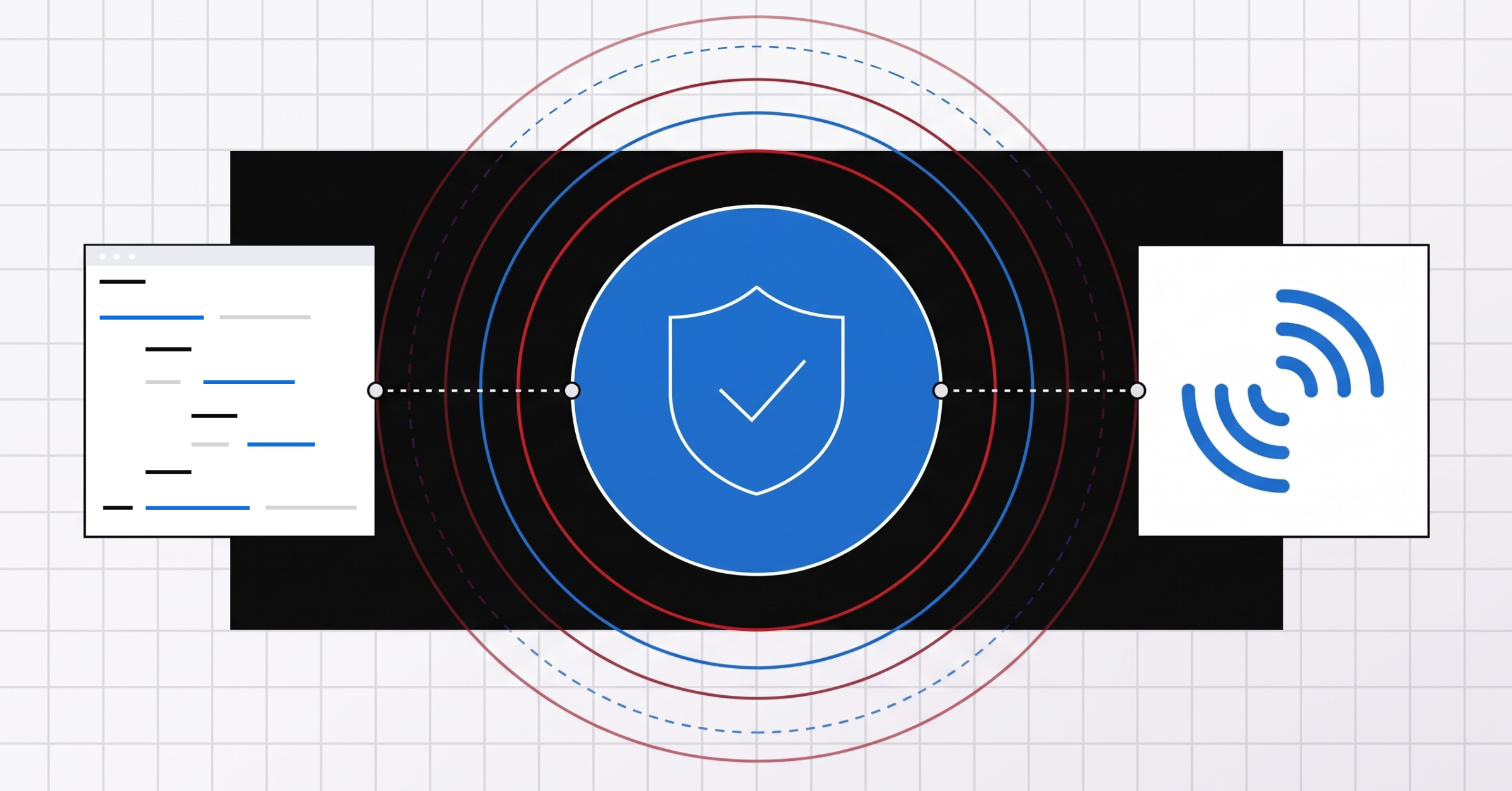
Root Cause Agent is designed to handle that first stretch of investigation. When an alert matches a team’s configured investigation trigger, the agent can automatically begin investigating. It gathers relevant telemetry, forms hypotheses, follows the signal across logs and metrics, and returns a structured result. Teams can also trigger investigations on demand, and the agent can investigate alerts that originate outside Sumo Logic.
The result isn’t a wall of AI-generated text. It gives the engineer a clear verdict, the findings that led to it, the evidence behind those findings, and a recommended next step. Each finding includes the exact query that produced it, and one click takes the engineer into search with that query already run. Root Cause Agent isn’t asking an engineer to trust an AI answer. It is giving them an investigation they can inspect and verify.
From Sumo Logic telemetry to the context around the incident
The investigation doesn’t have to stop with the telemetry already in Sumo Logic. Root Cause Agent can connect to external context and telemetry sources, so it can reach the systems that may contain the deciding evidence: the metric that spiked, the deployment that changed, the feature flag that flipped, or the other context that explains what happened. It can also investigate alerts originating outside Sumo Logic.
The investigation can also move into the workflows that engineers already use. With Slack, teams can ask for an investigation and review the results without switching back to the product, while Mobot provides a natural-language way to ask follow-up questions and continue investigating.
As the agent becomes part of an organization’s operational workflow, teams can manage its knowledge, custom instructions, connected systems, and investigation triggers. Governance and permission controls provide the access and scoping needed to operate the agent across the organization.
Built for engineers to verify, decide, and act
The value isn’t simply faster access to more telemetry. It’s less manual investigation and a more consistent starting point for every responder. Instead of spending the beginning of an incident gathering data and piecing signals together, engineers can start by reviewing the agent’s assessment and evidence, verify the queries behind the findings, challenge the conclusion when necessary, ask follow-up questions, and decide what to do next.
A structured investigation gives newer engineers a stronger starting point without requiring them to already know every corner of the service, while reducing the routine data gathering and correlation that experienced engineers have to absorb for every incident. And because the agent shows the evidence behind its findings and knows when it cannot reach a defensible conclusion, engineers can move quickly without treating AI as a black box. The result is a shift in how engineering time is spent: less time spent figuring out where to look and more time spent understanding the problem, making the decision, and resolving the incident.
See for yourself
The Root Cause Agent is in Preview today for Sumo Logic Log Analytics customers. To get started, contact your account team.
These capabilities are in development. Availability, timing, and functionality are subject to change, and the items should be treated as directional until general availability.