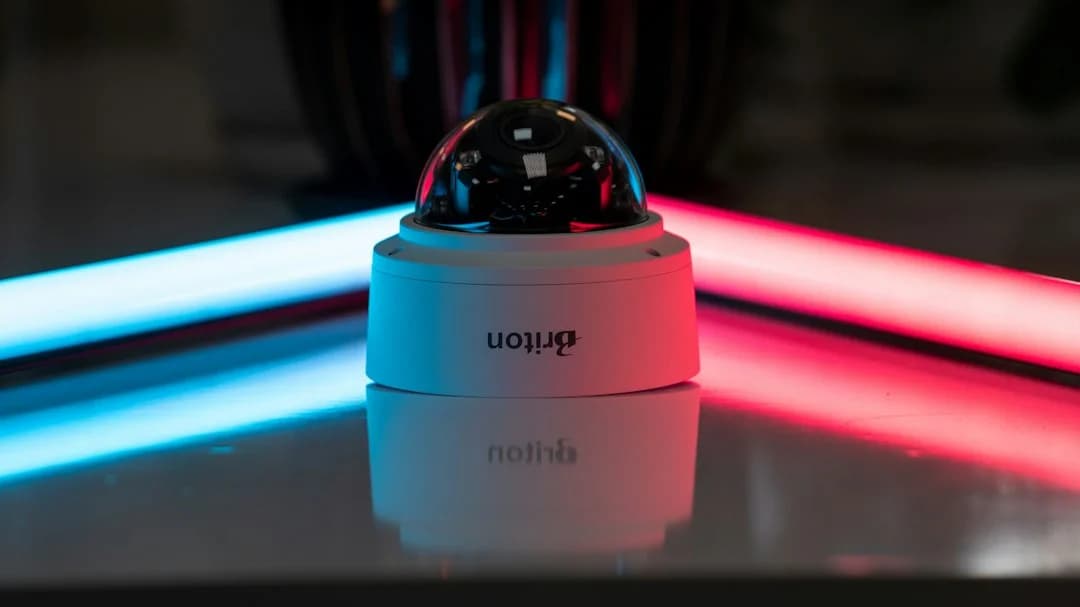
But what makes these devices safe? Well, safety laser scanners are specifically designed with safety in mind. Here are three elements that make LiDAR safe.
1. Meeting Safety Standards
A safety laser scanner is considered safe when it meets certain criteria and adheres to specific standards and regulations, such as ISO 13849 and IEC 61496. These standards outline the requirements for safety-related parts of control systems, including the design and performance of safety laser scanners.
Through these standards, performance levels of the devices are determined. Safety laser scanners are categorized according to performance level, which is determined by the level of safety provided. The performance level is assigned based on factors such as the reliability of the electronics of the scanner, its response time, and the ability to detect even dark objects accurately. Historically this has always been Performance Level d, which is used to mitigate risks that could lead to severe injury.
Another important safety standard is IEC TS 62998-1 which is used for the verification of safety-related sensors with new safety functions which are not described by IEC 61496. This can be lower safety levels, safety-related measurement data or new detection principle like 3D perception of persons.
2. Defined Safety Zones
Safety laser scanners define specific safety zones, called protective fields where human presence is not allowed or where machine operation must be modified to prevent hazards. The scanner should accurately detect and monitor these zones, ensuring that safety measures are triggered if any unauthorized entry or intrusion occurs.
They also have a fast response time, typically in the range of milliseconds. This allows them to quickly detect and respond to any safety breaches or potential hazards in real-time. They can trigger appropriate safety measures, such as stopping or slowing down machinery, activating warning signals, or initiating emergency shutdown procedures.