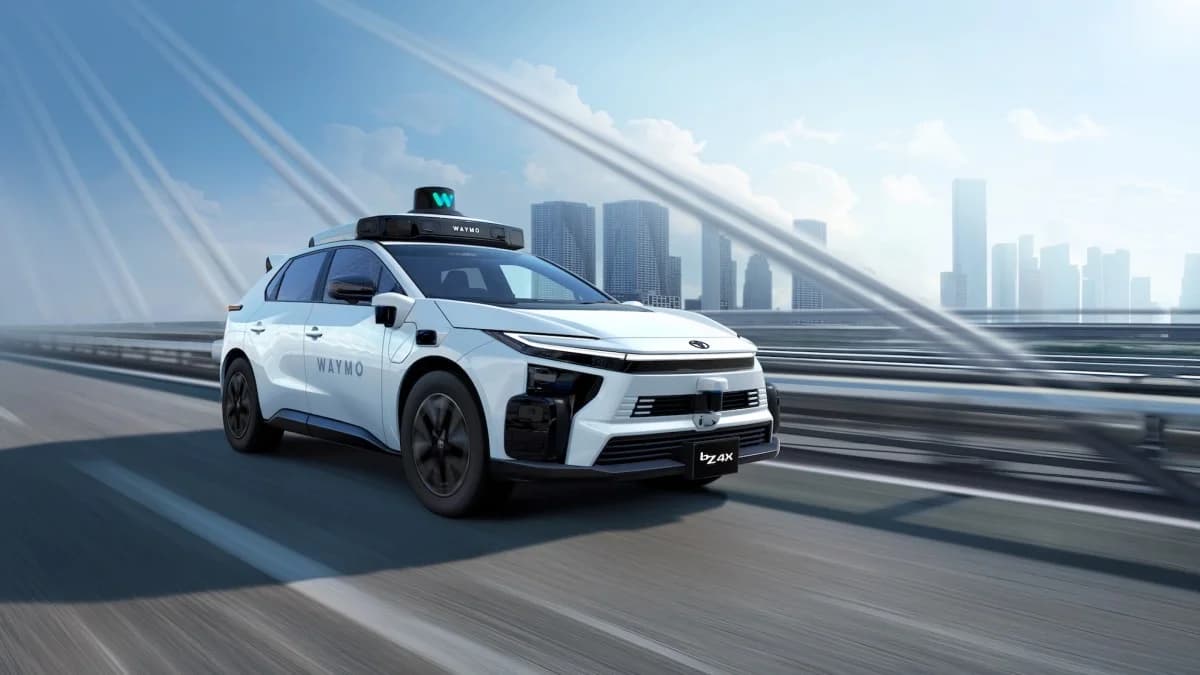
Today, we’re launching the Waymo Accessibility Network UK to inform the future of autonomous mobility in the UK and enable a more independent future of transport. Whether it's travelling to work, visiting friends, attending an appointment or simply enjoying everything a place has to offer, everyone deserves the freedom to travel with confidence and independence. Getting around should be about possibility, not barriers, and fully autonomous driving technology can provide more people with independent means of travel.
"Establishing the Waymo Accessibility Network UK is a vital step in ensuring our rollout of autonomous technology in London is inclusive, equitable, and aligned with local needs," says Chris Ludwick, Waymo Product Management Director. "Working hand-in-hand with our UK partners allows us to refine, test, and deploy solutions that give passengers the freedom of truly independent travel."
Waymo’s Accessibility Network provides a forum for leading British disability advocates and charities to engage with our team in a consistent, two-way dialogue, ensuring that diverse voices within the UK’s disability community actively shape how our technology is deployed on UK streets. Waymo’s Accessibility Network UK is an extension of our longstanding commitment to inclusive mobility and how we continuously improve our service based on feedback from the disability community. That feedback lives within our product today, helping inform features like audio cues and vehicle-finding tools.
Robin Spinks, Head of Inclusive Design at the Royal National Institute of Blind People (RNIB) says: “RNIB warmly welcomes the Waymo Accessibility Network, and we look forward to contributing alongside the blind and partially sighted community.”
Designing for the UK’s Diverse Communities
London is a global leader in transport. But as we have been hearing from UK accessibility groups over many years, getting around can still present daily challenges, in particular for disabled and older passengers. For sight impaired Londoners commuting at peak times, finding the right vehicle on a busy street can be difficult. Guide dog users still face refusals in private hire vehicles. For older passengers and people with different physical or cognitive needs, even seemingly small aspects of a journey can make a significant difference. As we shared in our Vision for London, opening travel to all matters – and autonomous driving technology offers the opportunity to rethink some of these experiences.
The Waymo Accessibility Network will work directly with member organisations to support user research and participate in product testing. The feedback from members helps inform the passenger experience of our fleet and build upon Waymo’s current accessible design features, including:
- Vehicle Finding Features, including: Sound alerts: Giving blind and low-vision riders the ability to trigger a unique melody or horn honk via the app to locate their vehicle at pickup.Adaptive navigation: by clicking “find my car” upon a vehicle’s arrival, a rider can receive real-time, step-by-step navigation, such as “300 feet to your right.” Long walk warnings: prior to hailing a vehicle, you’ll be notified in the app if it'll take more than 3 minutes to walk to the pickup spot.A screen reader compatible app experience: meaning the Waymo app is designed to work seamlessly with screen readers, which can be used by blind or low vision passengers.
Vehicle Finding Features, including:
- Sound alerts: Giving blind and low-vision riders the ability to trigger a unique melody or horn honk via the app to locate their vehicle at pickup.
Sound alerts: Giving blind and low-vision riders the ability to trigger a unique melody or horn honk via the app to locate their vehicle at pickup.
- Adaptive navigation: by clicking “find my car” upon a vehicle’s arrival, a rider can receive real-time, step-by-step navigation, such as “300 feet to your right.”
Adaptive navigation: by clicking “find my car” upon a vehicle’s arrival, a rider can receive real-time, step-by-step navigation, such as “300 feet to your right.”
- Long walk warnings: prior to hailing a vehicle, you’ll be notified in the app if it'll take more than 3 minutes to walk to the pickup spot.
Long walk warnings: prior to hailing a vehicle, you’ll be notified in the app if it'll take more than 3 minutes to walk to the pickup spot.
- A screen reader compatible app experience: meaning the Waymo app is designed to work seamlessly with screen readers, which can be used by blind or low vision passengers.
A screen reader compatible app experience: meaning the Waymo app is designed to work seamlessly with screen readers, which can be used by blind or low vision passengers.
- Visual Identifiers on the Vehicle: Lidar dome: When a vehicle is ready for pickup, a custom LED screen on a lidar dome on the roof will display the rider’s initials in a color of their choice. This can be especially helpful to deaf and hard-of-hearing riders to help quickly spot their vehicle.The lidar dome also displays an image of a person getting into or out of a vehicle if someone is boarding or alighting.
Visual Identifiers on the Vehicle:
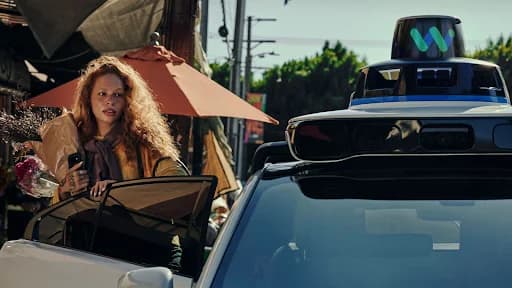
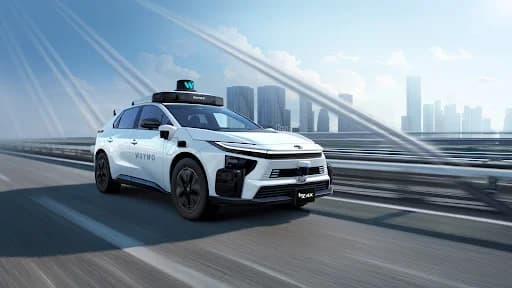
- Lidar dome: When a vehicle is ready for pickup, a custom LED screen on a lidar dome on the roof will display the rider’s initials in a color of their choice. This can be especially helpful to deaf and hard-of-hearing riders to help quickly spot their vehicle.
Lidar dome: When a vehicle is ready for pickup, a custom LED screen on a lidar dome on the roof will display the rider’s initials in a color of their choice. This can be especially helpful to deaf and hard-of-hearing riders to help quickly spot their vehicle.
- The lidar dome also displays an image of a person getting into or out of a vehicle if someone is boarding or alighting.
The lidar dome also displays an image of a person getting into or out of a vehicle if someone is boarding or alighting.
- Audio Descriptions:On-screen and in-car alerts: if passengers choose to turn ‘on’ audio/screen descriptions, they’ll describe key aspects or the ride and provide relevant, personalised prompts, e.g. “giving way to a pedestrian,” as well, seat belt reminders, and "don't forget your keys".
Audio Descriptions:
- On-screen and in-car alerts: if passengers choose to turn ‘on’ audio/screen descriptions, they’ll describe key aspects or the ride and provide relevant, personalised prompts, e.g. “giving way to a pedestrian,” as well, seat belt reminders, and "don't forget your keys".
On-screen and in-car alerts: if passengers choose to turn ‘on’ audio/screen descriptions, they’ll describe key aspects or the ride and provide relevant, personalised prompts, e.g. “giving way to a pedestrian,” as well, seat belt reminders, and "don't forget your keys".
- Accessibility Feature Customisation:Before you even get into a vehicle, the Waymo app’s accessibility menu allows passengers to set and control their preferences, including:Reduce walking time: opt into a longer ride to avoid crossing a street before or after the trip. Audio descriptions: turn on detailed audio descriptions, or reduce chimes/sounds during the ride. Riding tips: audio/visual tutorial on how to ride and what to expect.This is in addition to other in-car customisation options, including climate controls and music, as well as front seat adjustments to make additional space in the front or rear footwells for a guide dog or mobility device.
Accessibility Feature Customisation:
- Before you even get into a vehicle, the Waymo app’s accessibility menu allows passengers to set and control their preferences, including:Reduce walking time: opt into a longer ride to avoid crossing a street before or after the trip. Audio descriptions: turn on detailed audio descriptions, or reduce chimes/sounds during the ride. Riding tips: audio/visual tutorial on how to ride and what to expect.
Before you even get into a vehicle, the Waymo app’s accessibility menu allows passengers to set and control their preferences, including:
- Reduce walking time: opt into a longer ride to avoid crossing a street before or after the trip.
Reduce walking time: opt into a longer ride to avoid crossing a street before or after the trip.
- Audio descriptions: turn on detailed audio descriptions, or reduce chimes/sounds during the ride.
Audio descriptions: turn on detailed audio descriptions, or reduce chimes/sounds during the ride.
- Riding tips: audio/visual tutorial on how to ride and what to expect.
Riding tips: audio/visual tutorial on how to ride and what to expect.
- This is in addition to other in-car customisation options, including climate controls and music, as well as front seat adjustments to make additional space in the front or rear footwells for a guide dog or mobility device.
This is in addition to other in-car customisation options, including climate controls and music, as well as front seat adjustments to make additional space in the front or rear footwells for a guide dog or mobility device.
- Frictionless 24/7 Rider Support: Round-the-clock in-vehicle audio calls or an interactive in-app chat option to features for communicating directly with our Rider Support teams without needing a voice call.
Frictionless 24/7 Rider Support:
- Round-the-clock in-vehicle audio calls or an interactive in-app chat option to features for communicating directly with our Rider Support teams without needing a voice call.
Round-the-clock in-vehicle audio calls or an interactive in-app chat option to features for communicating directly with our Rider Support teams without needing a voice call.
- App and In-Car Language Compatibility:The Waymo app dynamically adjusts its user interface (UI) text, navigation instructions, and account menus to match the preferred language set on the passenger's smartphone.
App and In-Car Language Compatibility:
- The Waymo app dynamically adjusts its user interface (UI) text, navigation instructions, and account menus to match the preferred language set on the passenger's smartphone.
The Waymo app dynamically adjusts its user interface (UI) text, navigation instructions, and account menus to match the preferred language set on the passenger's smartphone.
- Guide Dog Accommodation: Guide dogs are welcome without prior notice. Before getting into a vehicle, passengers can use the app settings to adjust the front seats to create more footwell space and the vehicle will remember their preferred seat position.
Guide Dog Accommodation: Guide dogs are welcome without prior notice. Before getting into a vehicle, passengers can use the app settings to adjust the front seats to create more footwell space and the vehicle will remember their preferred seat position.
Welcoming Our Inaugural UK Partners
We are honoured to collaborate with an exceptional group of national and community-based organisations that champion inclusion across physical, sensory, and cognitive disabilities. We welcome our 10 inaugural participants: RNIB, Re-Engage, AgeUK, Transport for All, Thomas Pocklington Trust, Guide Dogs UK, Sense, Motability Foundation, National Centre for Accessible Transport and Scope.
"Autonomous technology offers enormous potential to transform independent travel, but it must be shaped by disabled people from day one. By joining the Waymo Accessibility Network UK, NCAT hopes to ensure that disability-centred design sits right at the heart of the UK’s autonomous vehicle future." says Clive Gilbert, Consortium Board Member at the National Centre for Accessible Transport and Head of Accessible Transport at Policy Connect.
“Thomas Pocklington Trust is delighted to be joining the Accessibility Network, along with other disability stakeholders. It is important that the voices of blind and partially sighted people are heard and that travelling in a Waymo can become a reality as the autonomous vehicle improves its accessibility, safety and other features. We want to build confidence for blind and partially sighted people, with independent travel on all modes of transport,” says Bhavini Makwana, Policy and Campaigns Lead at the Thomas Pocklington Trust.
Technology alone doesn't remove every barrier. True accessibility depends on the streets we share, the vehicles we ride in, and the passengers we support. While Waymo can offer a major leap forward in independent mobility, we’ll always have more to learn. Bringing Waymo to the UK means doing so in partnership. As we work towards welcoming our first passengers in London, our goal is that Waymo becomes a trusted and valuable addition to the UK’s existing and iconic transport networks, and provides a new mobility option. Through Waymo’s Accessibility Network UK, we are ensuring that the people who experience barriers to mobility have a meaningful voice in shaping its future. We look forward to welcoming more UK organisations to the network as we work together to build safer, more inclusive streets for everyone.