Checkmarx received the highest score possible in the criteria of AI application flaws, autonomous proprietary code remediation, and ASPM for AI. Here’s what those capabilities mean for securing agentic development.
Checkmarx is pleased to be named in The Forrester Wave™: Agentic Development Security Tools, Q4 2026, Forrester’s newest evaluation of 12 vendors that help organization to govern agentic software development, validate agent-generated software and AI applications, and reduce risk without slowing development velocity.
Forrester classifies agentic development security as an emerging market. Just two quarters earlier, it was covered in a broader landscape overview, The Agentic Development Security Tools Landscape, Q2 2026, providing an overview of 35 vendors.
In her companion blog, Agentic Development Security Picks Up Where Traditional Security Tools Leave Off, Forrester senior analyst Janet Worthington explains why the scope extends beyond code scanning: coding agents also select dependencies, invoke tools, and execute tasks. Application Security teams must govern those activities, protect the development and delivery environment, and validate the software that these coding agents produce, which can include AI applications and agents.
Why This Category Exists Now
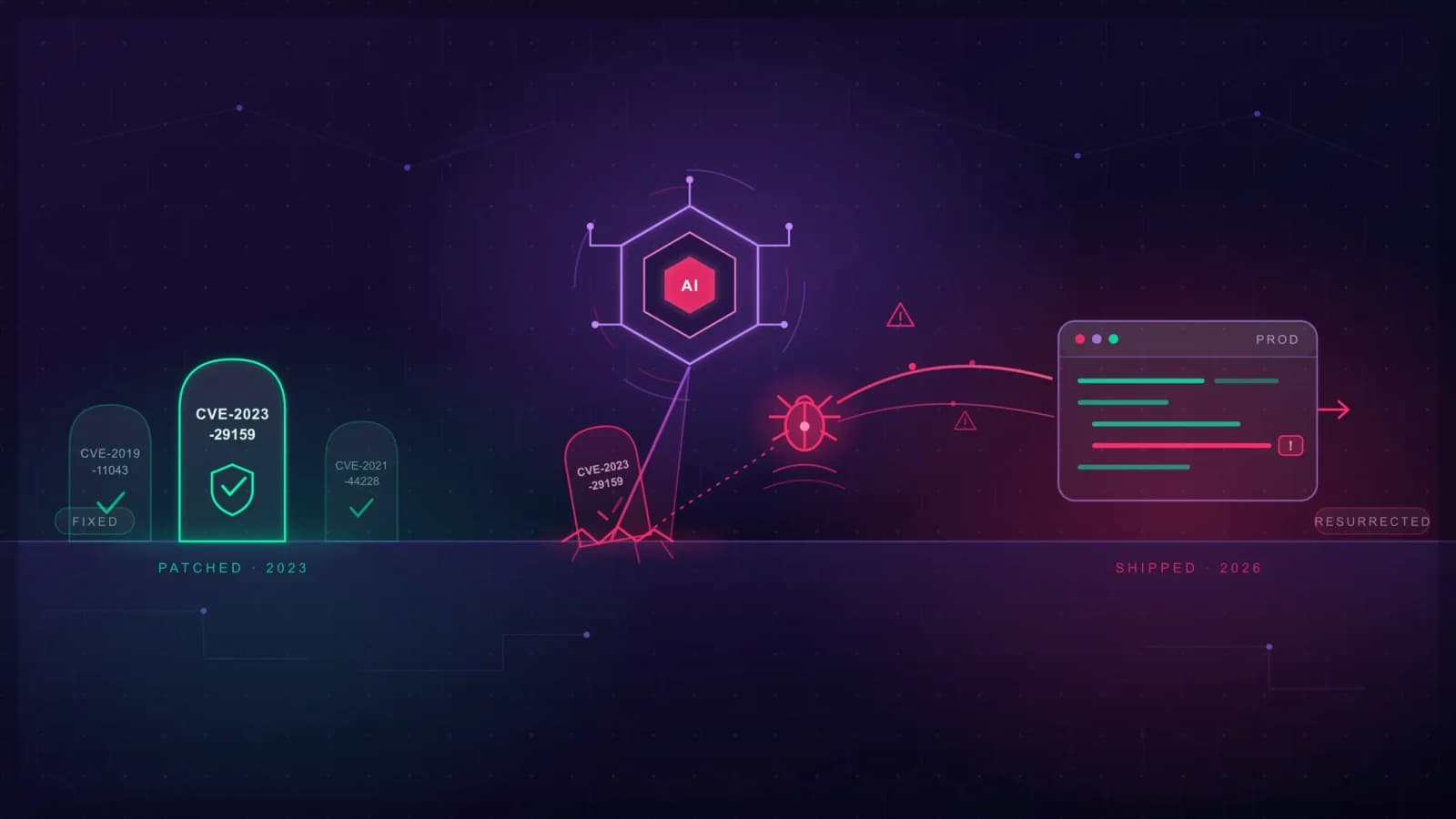
We believe the reasoning behind Forrester’s definition is simple. AI-generated code creates its own category of flaws: missing input validation, hardcoded credentials, leaked secrets, insecure dependencies, hallucinated components. It happens at a volume and speed that traditional review and testing were never built to handle. Traditional application security wasn’t built for this. ADS is designed specifically for the risks that AI coding agents and autonomous workflows create when they generate, modify, and execute code at machine speed.
The numbers behind that shift are stark. Across Fortune 50 enterprises, AI-assisted developers now commit at 3–4x the rate of their peers. But they introduce security findings at 10x the rate (Cloud Security Alliance, 2026).
How the Market Is Maturing
ADS tools go further, adding real-world context like exploitability and runtime exposure to prioritize remediation and deliver trusted fixes. Second, it’s bringing AI agents and deterministic testing together. Fast, reproducible deterministic testing pairs with AI reasoning that catches the higher-level design, logic, and intent-based flaws deterministic tools struggle with on their own.
What We Believe the Category Requires
Checkmarx believes agentic development security must help security and engineering leaders answer three questions:
- Can I trust what I’ve found, at a cost I can forecast?
- Can I remove it faster than an attacker can reach it?
- Can I prove, not assert, that policy held across every commit, model, and agent?
These priorities shape our approach in Checkmarx One: Capture software risk teams can trust, Eliminate attackable risk through prevention and remediation, and Govern development with enforceable policies and auditable evidence.
How Checkmarx Approaches It
Capture: a single view of risk you can trust
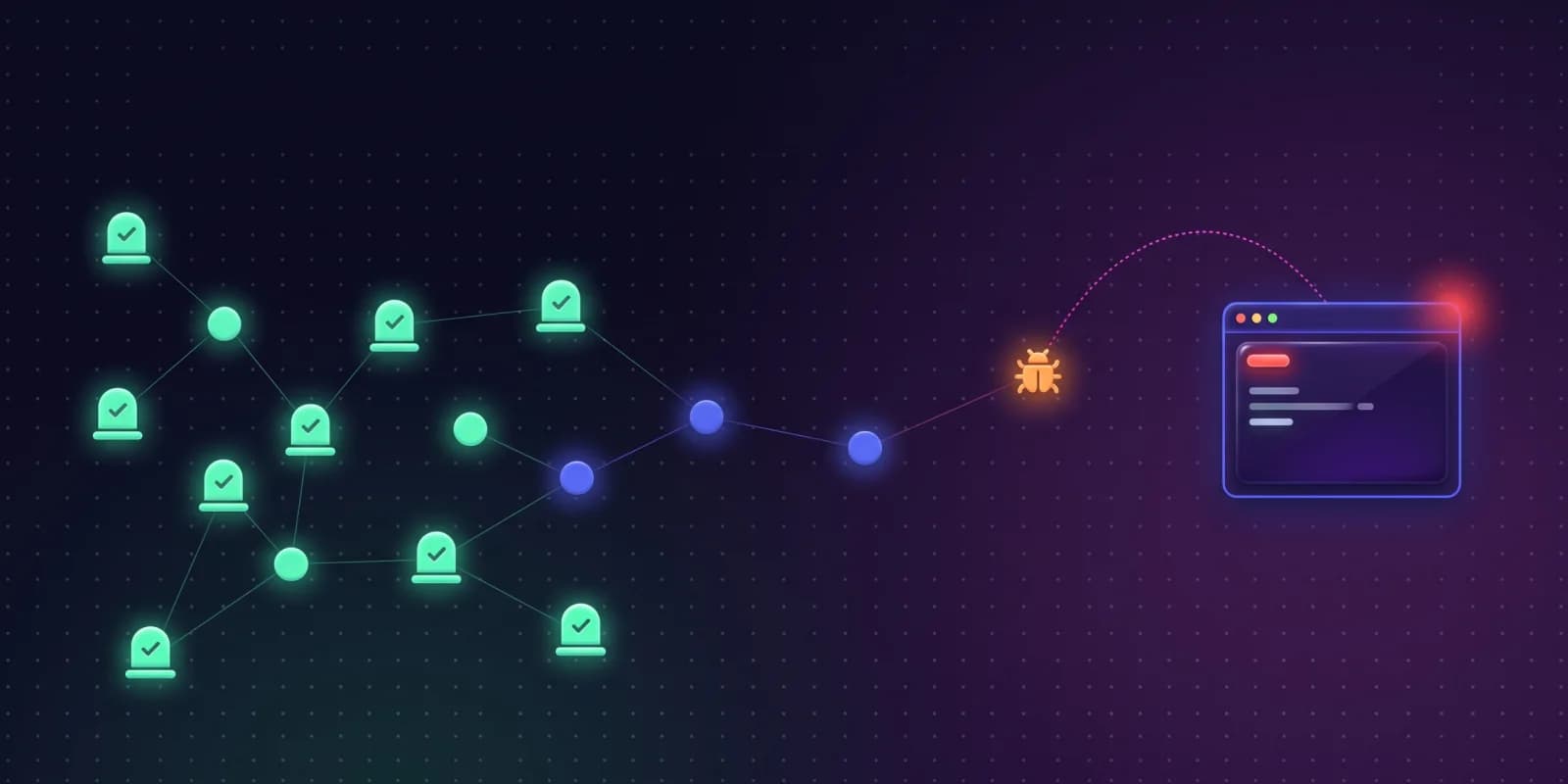
Checkmarx Fusion SAST combines rules-based and AI-based analysis with curated frontier models. Together, they find vulnerabilities that individual methods can miss. The Findings Analysis Engine brings the results together, flags false positives, and reduces duplicates before findings reach developers.
Eliminate: prevention at creation, then machine-speed remediation
The cheapest vulnerability to manage is the one that never enters the codebase. Developer Assist brings security context directly into the AI coding assistants developers already use, including Cursor, Windsurf, and Claude Code, through native MCP. It catches issues at the point of creation, not after the fact.
For what’s already in the backlog, Triage & Remediation Assist ranks findings by real attackability: reachability, exploitability, business context, and compensating controls. Those are the same signals Worthington’s post says should determine what gets fixed first. From there, it drives guided-to-autonomous remediation.
Govern: unify risk intelligence and make it enforceable
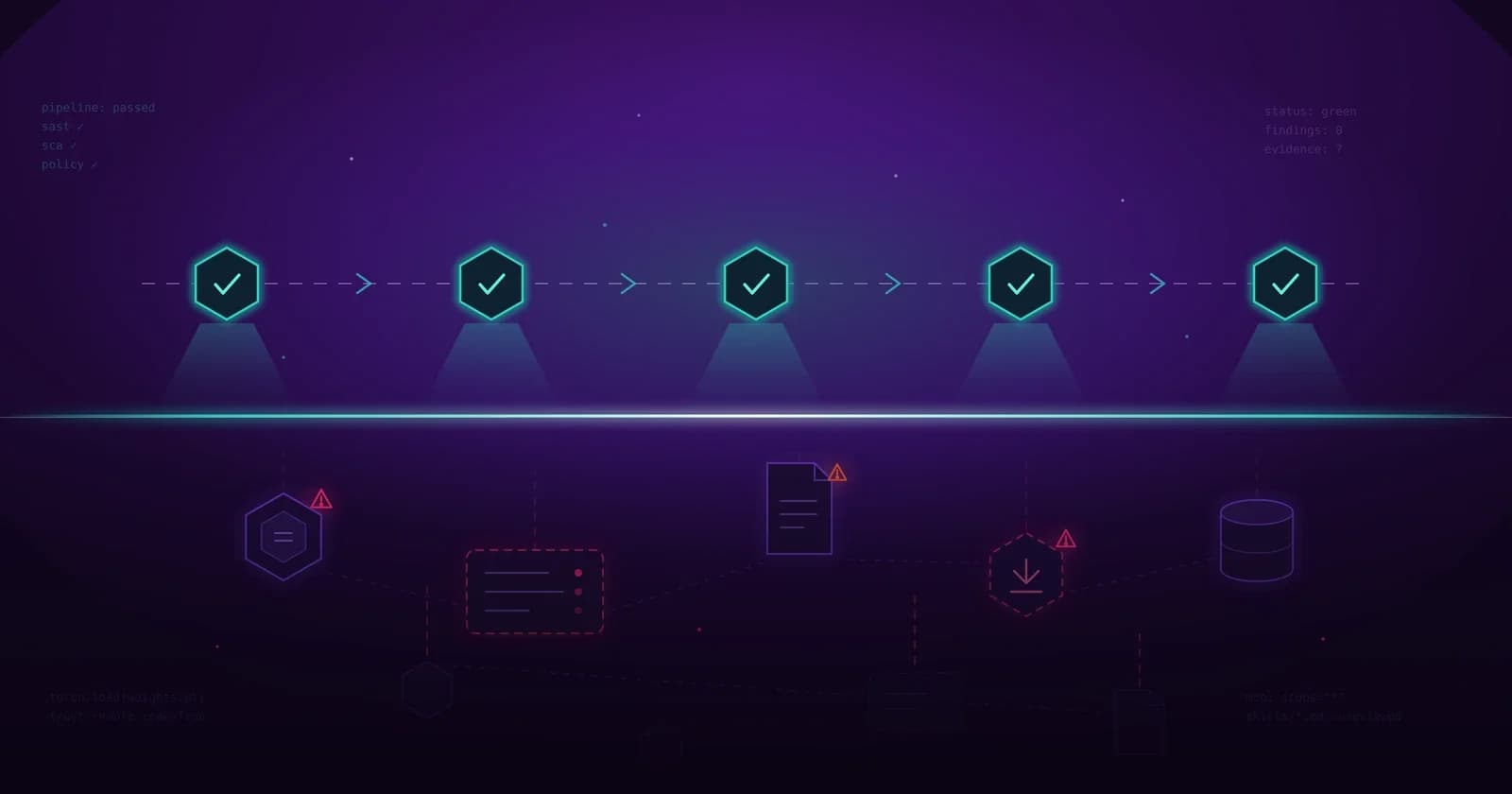
Every commit can trigger findings from a dozen different controls, each with its own severity scale. Checkmarx correlates that signal into one risk view, routes findings to accountable owners, and enforces policy as a gate, not a guideline. On the AI supply chain, Checkmarx discovers and governs the models, MCP servers, and agents entering the codebase deterministically. It never asks a model to report on itself. Checkmarx blocks malicious and hallucinated packages in real time, checked against a database of more than 550,000 known malicious packages.
Where This Goes Next
Being recognized in Forrester’s evaluation of agentic development security tools is a milestone for us. As our vendor profile in the report puts it, “Checkmarx’s vision to become an independent security control plane for the agentic development lifecycle is aligned with enterprise needs.” It’s a vision Checkmarx has been building toward from day one: an independent control plane for the AI Development Lifecycle (AI-DLC), architecturally separate from the AI it governs. As agentic development accelerates, that independence is what lets security keep pace without becoming beholden to any single model or coding assistant.
See how Checkmarx approaches agentic development security, or request a demo to see Capture, Eliminate, and Govern in action.
Forrester does not endorse any company, product, brand, or service included in its research publications and does not advise any person to select the products or services of any company or brand based on the ratings included in such publications. Information is based on the best available resources. Opinions reflect judgment at the time and are subject to change. This report is part of a broader collection of Forrester resources, including interactive models, frameworks, tools, data, and access to analyst guidance. For more information, read about Forrester’s objectivity here.
Analyst Reports
Forrester Wave