Most marketers agree personalization matters. Fewer can say where it pays off, or which kind is worth the setup time.
To find out, we looked at email sent by about 92,000 Klaviyo brands over 12 months and compared each brand's personalized emails with that same brand's emails that weren't personalized. Because every brand is compared with itself, the results aren't just a picture of bigger brands personalizing more.
Here's what we found, and how to use it.
What personalization looks like in the numbers
Across flows, personalized emails earned:
- 23% higher click rates than the same brands' non-personalized flow emails
- 12% more attributed revenue per send
- 10% fewer unsubscribes and 7% fewer spam complaints
Campaigns moved in the same direction: personalized campaigns earned 13% higher click rates and saw 7% fewer unsubscribes.
"Personalized" covers a range of tactics, from a first-name greeting to content that changes based on what a shopper did on your site. Some of those tactics stood out more than others.
5 ways to put personalization to work
1. Reference what the shopper just did
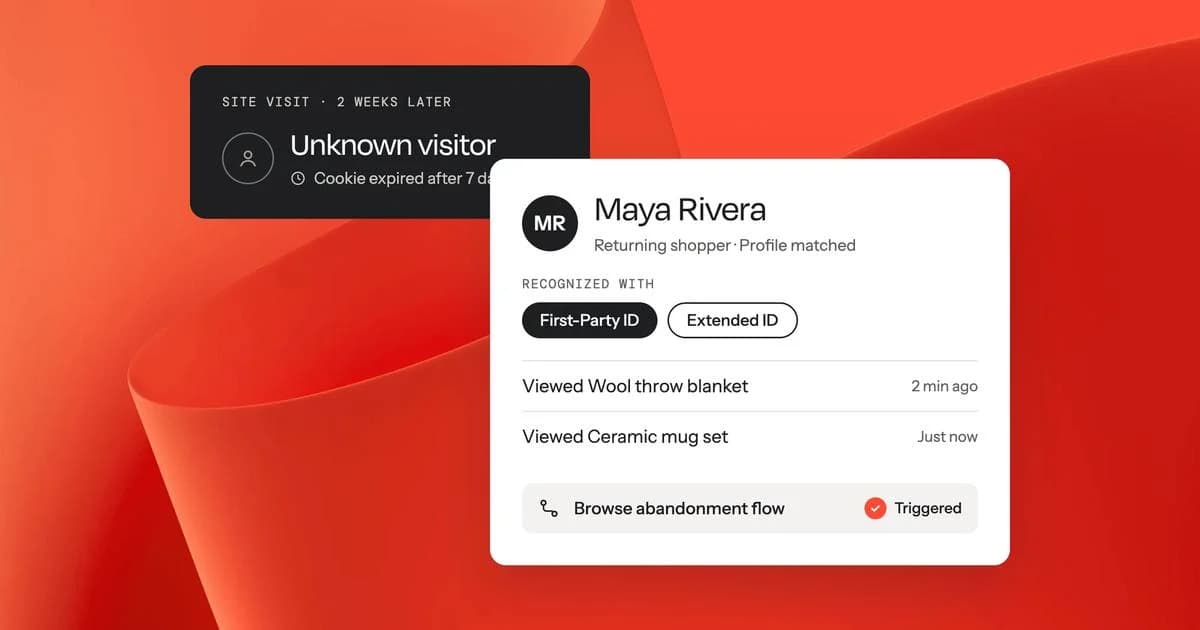
Content based on a shopper's recent activity, such as the product they browsed, the item in their cart, or their last order, was the most consistent performer we saw. Flow emails that referenced what a shopper just did earned 45% higher click rates, and campaigns that did the same earned 33% higher click rates.
Try this: In a browse abandonment or post-purchase flow, pull the product name and image from the event that triggered the flow instead of showing a generic bestseller grid.
2. Give your welcome series a personal touch
Your welcome series is often the first thing a new subscriber hears from you, and many brands send everyone the same version. Personalized welcome emails earned 32% more attributed revenue per send and 21% higher click rates than non-personalized ones.
Try this: Use what you learned at signup, such as the form they filled out, the category they were browsing, or a preference they shared, to change the products or message in the first email.
3. Keep personalizing after the purchase
After someone buys, you know exactly what they bought, which gives you plenty to work with. Personalized post-purchase emails earned 28% more attributed revenue per send.
Try this: Reference the item in the order with care tips, a how-to, or products that go with it.
4. Use show/hide logic to tailor campaigns
Show/hide logic lets one email display different sections to different recipients, so you don't need a separate campaign for every segment. Campaigns using show/hide content earned 42% more attributed revenue per send on average, and flow emails using it earned 7% higher click rates.
Try this: Show a VIP-only offer to your loyalty members, or swap a section based on where a shopper lives, all inside a single campaign.
5. Personalize to keep subscribers, not just to win clicks
Personalization showed up in list health too. Personalized flow emails saw 10% fewer unsubscribes and 7% fewer spam complaints, and personalized campaigns saw 7% fewer unsubscribes. Fewer people leaving your list means more people there for your next send.
Where to start
You don't need to personalize everything at once. Start where the data was strongest: your welcome series and post-purchase flow. Then add content based on recent activity to any flow that's triggered by something a shopper did.
Browse the Flow templates library for prebuilt flows you can personalize, or learn more about personalization in Klaviyo.
About this data: Based on Klaviyo analysis of approximately 274 billion emails delivered by approximately 92,000 Klaviyo brands that sent both personalized and non-personalized email, September 2025–August 2026. Compares each brand's personalized emails with the same brand's non-personalized emails, adjusting for send month, audience size, and flow type. Revenue reflects Klaviyo Attributed Value (KAV). Results are observed averages, not guarantees; individual results will vary.