November 10, 2026
Table of contents
The holiday season is almost here, and shoppers are about to get more brand email than at any other time of the year. Many of them won’t be from the brands they claim to be.
In the weeks leading up to Black Friday 2025, Darktrace reported a 620% lift in Black Friday-themed phishing, and emails impersonating retailers like Walmart, Macy’s, and Best Buy jumped 54% in a single month. Customers are noticing. In Sinch’s 2025 consumer research, 53% said they’d received a legitimate brand message that felt suspicious. That’s lost trust, not fraud: real messages from real brands that customers gave a second thought to.
The fix isn’t more persuasive copy. It’s visible proof of identity, with the same verified logo everywhere customers hear from you. In email, that proof is BIMI.
The visible payoff
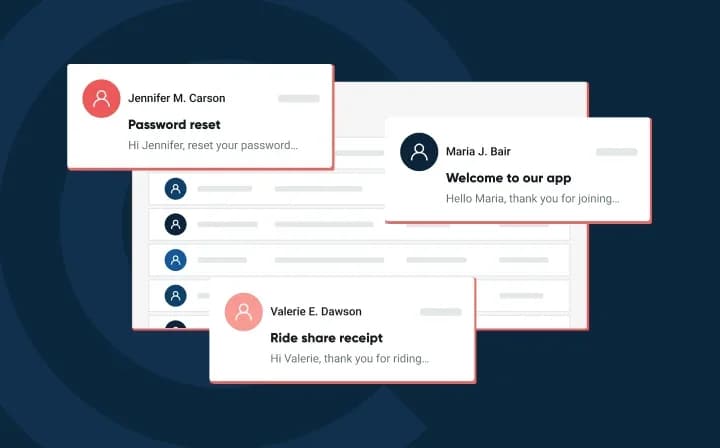
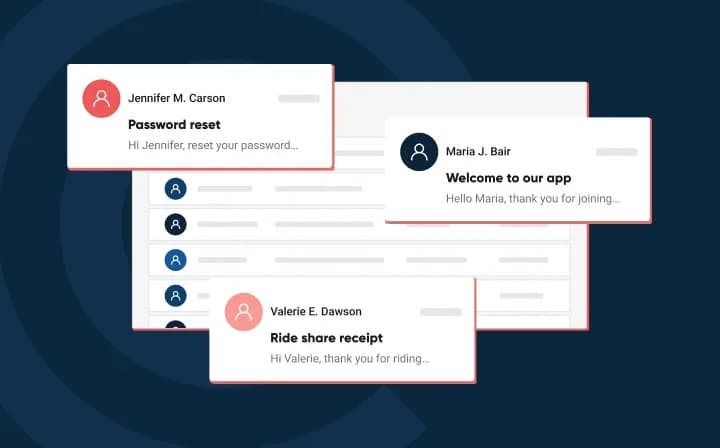
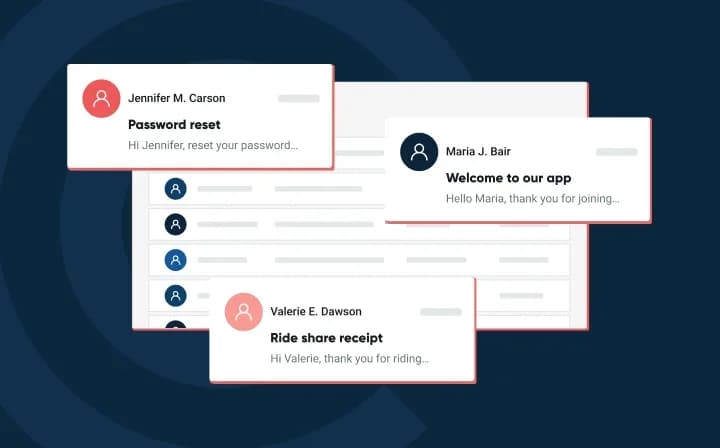
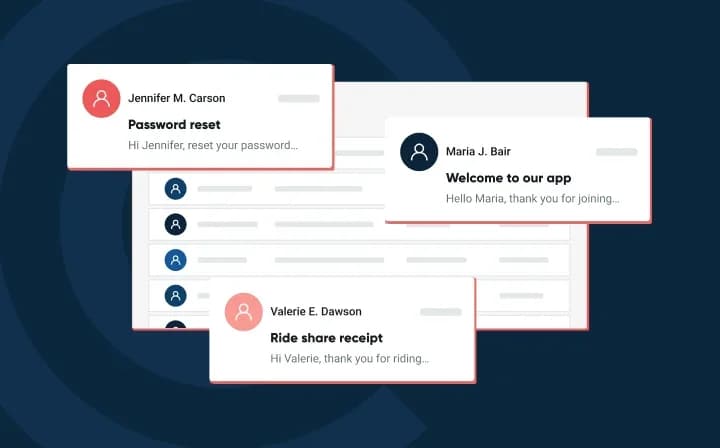
BIMI (Brand Indicators for Message Identification) displays your official logo next to your emails in Gmail, Yahoo, Apple Mail, and other supporting inboxes. A Verified Mark Certificate (VMC), which requires a registered trademark, also earns Gmail’s blue checkmark. A Common Mark Certificate (CMC) shows the logo without it. One thing to note is Outlook doesn’t display BIMI logos yet.
A certificate alone won’t get you the logo. BIMI only appears for senders whose DMARC policy is at enforcement, telling mailbox providers to filter or block mail that fails authentication. That’s the same groundwork Gmail, Yahoo, and Microsoft now expect from bulk senders, and it’s the foundation of good deliverability. BIMI won’t move a message into the inbox on its own. It’s the visible payoff of the practices that do.
With that said, most senders haven’t done that work. In Sinch Mailgun’s State of Email Deliverability 2025, only 19.3% of DMARC users were at Quarantine, 17.7% were at Reject, and just 5.7% of senders had implemented BIMI, with another 11.4% working toward it. Even among S&P 500 companies, an October 2026 study found only 13.5% had the certificate, DMARC enforcement, and logo Gmail requires. For brands that implement it, that gap is a big opening.
Why a verified logo changes behavior
In Sinch’s , nearly 80% of consumers said visual indicators like a logo and checkmark increase their trust, and 59% preferred RCS over SMS or MMS for verification messages. A Datos Insights survey of 1,500 US consumers found 88% would trust a message more with a verified badge. The patterns translate across channels, as customers act on messages they can easily verify.
Retail: where trust is won or lost every holiday season
No industry sends more brand email in a shorter window than retail, and attackers time their campaigns to match. In the week before Thanksgiving 2025, Darktrace saw 201% more phishing attempts mimicking U.S. retailers than in the same week in October.
The messages most at risk are the ones customers act on fastest: order confirmations, shipping updates, return labels, loyalty rewards, and payment receipts. Shoppers respond to verified branding, too. During the 2024 holiday season, Sinch saw RCS usage grow 111% over 2023, with brands seeing 53% open rates.
The retailers who win the holidays will be recognizable anywhere a shopper hears from them: a verified logo in the inbox, a verified sender profile in messaging, your brand on the incoming call, and the same identity across all three.
The hardest part: getting every sender to pass
Landing the logo is rarely the hard part. It’s actually making sure every platform your brand is sending from authenticates correctly. A typical retailer uses many simultaneously — a marketing platform, a transactional API, loyalty and review tools, and more. Each one has to pass SPF and DKIM in alignment before DMARC can safely move to enforcement.
That’s where consolidation pays off. With Sinch, retailers can run marketing emails on Mailjet and transactional emails on Mailgun. Mailgun generates DMARC records during domain setup and provides aggregate DMARC reporting on all paid plans, so you can see which senders are failing before tightening your policy. It also automates DKIM key rotation, and Mailgun Inspect lets you check rendering in 100+ email providers and devices before you hit send.
Sinch also extends verified identity beyond email, too. Register an RCS verified sender with your name and logo, fall back to SMS where RCS isn’t available, and reach customers on WhatsApp. With branded calling on Sinch Elastic SIP Trunking, your logo also shows up on the customer’s phone when you call, just like an RCS verified sender. One partner keeps your brand consistent and authenticated across every channel.
The same signal in every industry
The same logic applies anywhere a single fake message can do real damage. Technology was the most impersonated sector in Q2 2026, and banking ranked third. Healthcare appointment reminders, billing notices, and portal alerts depend on patients trusting the sender. Travel brands send booking and itinerary changes that are easy to spoof. And retail and dining franchises need every location’s messages to carry the same verified branding.
One brand, verified everywhere
Customers don’t think in channels. They think in brands, and they’re learning to look for proof before they click or call. A logo in their inbox, a verified profile in their messaging app, and your brand on the incoming call all tell them this is really you.
That proof must be earned through strong authentication, enforcement, and consistent sending. The same work also makes every email you send more likely to arrive. Start in January, and your customers will recognize you everywhere by Black Friday 2027. Ready to strengthen your email authentication and bring verified branding to every channel? Connect with an expert to get started.