Even as technologies, workflows, and design approaches evolve, success always springs from one core thing: intentional collaboration.
Our design process: Clarity comes first
As a product designer at Learnosity, I work as part of a global, distributed team. Each project begins with a handover meeting that involves design, product managers, product owners, and lead developers. The outcome of this handover is to agree on goals, constraints, and timelines.
Since we’re often working across multiple projects simultaneously, this early clarity is crucial in helping us to work more efficiently and gather momentum. Without it, teams may form different interpretations and head in different directions, resulting in wasted time and effort.
From there, I get stuck into Figma, my favourite design tool. This also acts as a kind of shared workspace where everyone has visibility into the work. Here, I can document interactions, behaviors, questions, and assess technical feasibility with our developers.
Our design reviews are structured around three project completion milestones: 30%, 60%, and 90%.
At each stage we invite feedback from the team, and sometimes bring customers in too. By the time designs reach handoff, specifications are clear, decisions are documented, and developers have what they need to start planning and building with confidence.
Designing for async: Documentation and communication
In an asynchronous team, clarity scales through documentation.
I use Figma as a central source of truth, linking to briefs, requirements, testing notes, supporting materials, and capturing decisions as they happen. This ensures anyone can understand the “why” behind the work, even days or weeks later when context might start to fade.
To keep work moving across time zones, I rely on a few key practices:
- Deep design work time for focused design thinking
- Well-annotated design files that don’t require live explanation
- Short video walkthroughs to clarify design flows for complex scenarios
- Deliberate overlap meetings for time-sensitive decisions
Finding the flow: Ways of staying productive and creative
Remote work gives you plenty of autonomy, but you need discipline to manage your time and energy. Here are some essentials that help me stay productive:
- Create clear boundaries: Put time aside for deep work but communicate availability
- Regular check-ins: To help maintain momentum and alignment
- Stay flexible: Structure the day around most productive hours while staying connected to the team through a mix of sync and async touchpoints
- Keep learning: Treat feedback and mistakes as part of the process
- Detach from ego: Focus on the best solution, not personal ownership. Keep your mind on what best serves the user and product
- Build strong relationships: Invest in relationship-building and trust (especially with developers) to keep collaboration as open and efficient as possible
"In an asynchronous team, clarity scales through documentation."
Common challenges (and how we handle them)
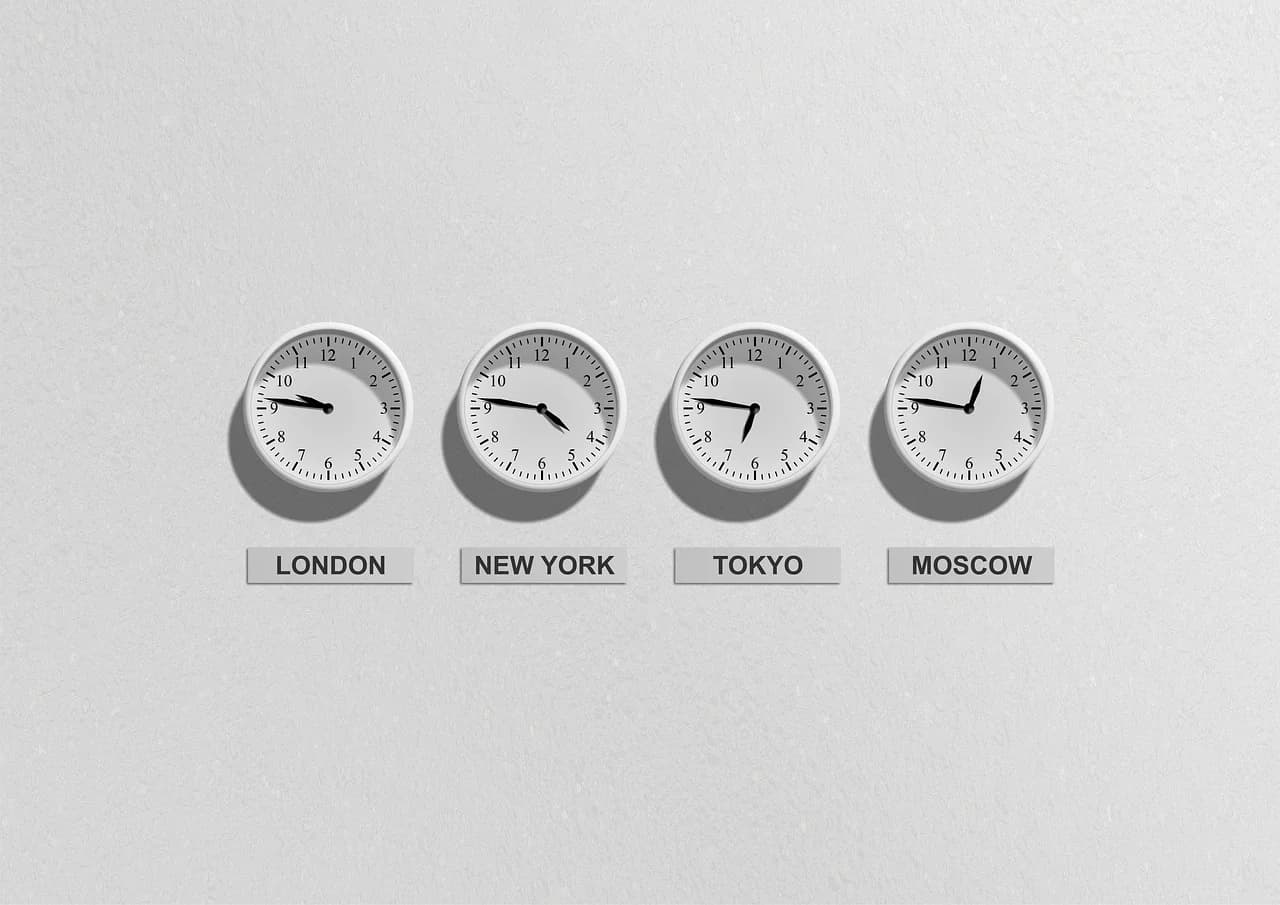
Time zonesDelays are inevitable if feedback loops aren’t well managed. We overcome them by carefully scheduling overlap meetings, encouraging async feedback, and setting clear response expectations.
MiscommunicationIt’s easier to misunderstand someone without face-to-face context. So overcommunicate intentionally, ask clarifying questions, and provide thorough follow ups.
Lack of real-time interactionWork can stall if messages are missed, and that can easily happen when dealing with multiple time zones. We tackle these challenges through proactive updates, regular check-ins, and transparent documentation. See below for how we navigate these common friction points.
Tools and workflows that enable smooth 24/7 collaboration
Our tooling supports both real-time and asynchronous work:
- Figma – Our shared design workspace for exploration, feedback, and developer handoff.
- Slack – Lightweight, async communication with clear channel structure and expectations to keep feedback continuous and ensure team alignment without overwhelming the channel.
- Zoom/Google Meet – Used intentionally for discussions that benefit from real-time interaction like design walk-throughs or highlighting decision points.
- Quick video recordings – For quick design walkthroughs, reviews, or dev handoffs that reduce meetings and improve clarity
- Google Docs/Confluence – To ensure product requirements and user goals remain transparent and traceable, especially as scope evolves. The PM maintains key documentation, such as the PRD, which is linked to our Figma files to provide a reliable source of truth. This keeps the team aligned, supports accountability, and helps onboard new contributors quickly.
Reminder: Communication is the core skill
If there’s one skill that matters most in an async team, it’s clear communication (I’d even go to the point of overcommunication).
That means:
- Never assume. Ask questions early and often.
- Use public Slack channels to gather diverse perspectives.
- Align regularly. Set up frequent syncs on decisions and direction.
- Make next steps explicit after meetings.
- Keep progress visible with continuous updates.
Apart, but still aligned
Designing in a distributed, asynchronous team requires clarity, ownership, and a shared mindset around collaboration. Embracing these strategies and maintaining an adaptable and collaborative mindset has allowed me to stay creative, productive, and effective.
When those are in place, async work becomes a strength that lets teams move thoughtfully, flexibly, and with momentum even when oceans or time zones apart.