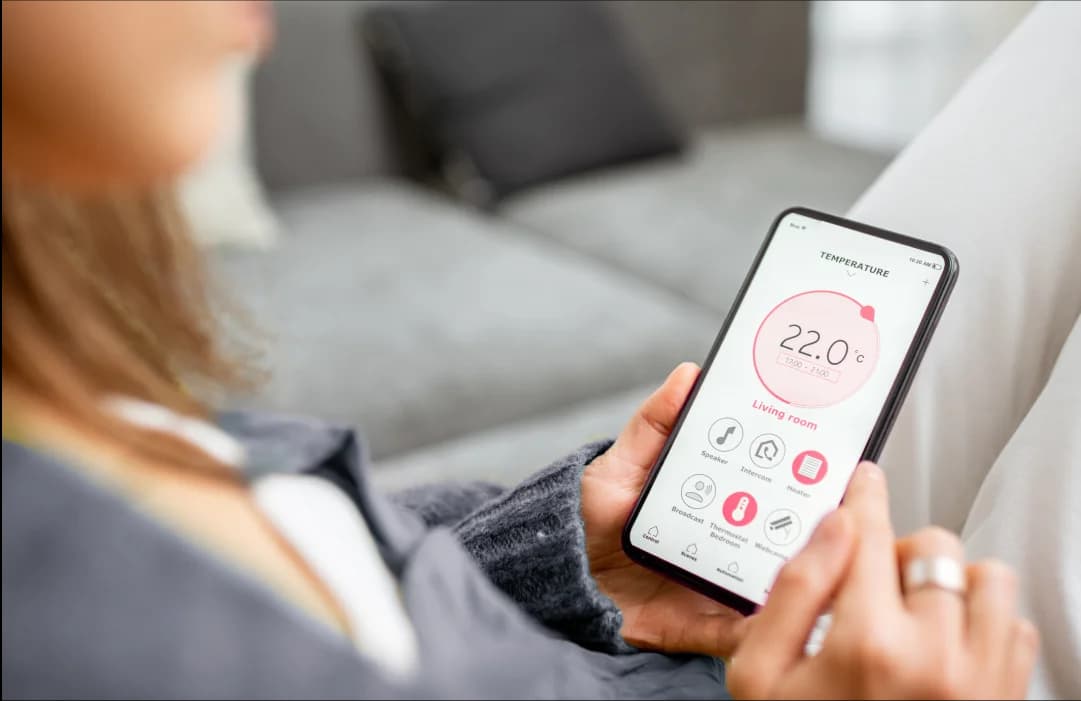
Your customers check their phones 96 times a day. Email open rates hover around 20%, if you're lucky. Meanwhile, SMS messages get opened within 3 minutes and have a 98% open rate.
The math is pretty simple.
Broadcast text messaging lets you send a single message to your entire contact list (or specific segments of it) and reach people where they already spend their time. It's not a group chat where everyone sees each other's responses. Each recipient gets what looks like a personal text from your business. Replies come straight back to you, and nobody on the list sees anyone else’s number or response.
This guide covers what broadcast messaging is, how it works technically, when businesses actually use it (appointment reminders, flash sales, service updates), and how to implement it without annoying your customers or running into compliance issues.
What is broadcast messaging?
Broadcast messaging is sending one text message to a large list of recipients at once, with each person receiving it as an individual text. As long as recipients have opted in, a broadcast lands in their inbox like any other text. You can send broadcasts as SMS, add images or GIFs with MMS, or use channels like WhatsApp and RCS.
MMS group vs. broadcast message
What is the difference between broadcast vs. MMS? At first glance, it’s easy to identify their similarities. After all, MMS and broadcast texts both allow senders to deliver a message to multiple recipients.
In MMS threads, every person in the group can respond to the original sender, creating long text message chains that everyone can see. On the other hand, in a text message broadcast, recipients can respond to the sender privately—without seeing group information or interacting with one another. That keeps your customers’ phone numbers and replies private.
Group MMS also caps how many people can join a thread. Broadcasts don’t have that limit, so you can reach hundreds or hundreds of thousands of people. How fast they go out depends on your sender type and carrier throughput.
How does broadcast messaging work?
Sending a broadcast message takes five steps:
- Build an opt-in list: Collect consent through a web form, keyword, or checkout checkbox.
- Pick a messaging platform: Your personal phone can’t handle bulk sends. You need a provider like Twilio that manages delivery, opt-outs, and throughput.
- Register your sender: In the US, register your 10-digit number for A2P 10DLC, verify your toll-free number, or use a short code.
- Write the message: Name your business, keep it short, and include opt-out instructions.
- Send or schedule it: Send right away or schedule it for a time your audience is most likely to read it.
How can businesses use broadcast text messaging?
Organizations might use business broadcast messaging for the following:
- A new and exclusive product promotion for subscribers
- An important status report during a natural disaster
- A campus-wide update for university students
- An out-of-office text alert for company employees
- A scheduled change for a doctor’s appointment
Essentially, businesses rely on a text message broadcast to connect with customers across multiple channels and boost engagement. Whether providing customer service or engaging with marketing, broadcast messaging builds the key digital relationships that contribute to higher customer satisfaction, according to common use cases.
Reminder alerts
Reminder alerts notify customers of an upcoming appointment, event, or product promotion. This type of broadcast keeps them in the loop, inviting response and strengthening connection with your business.
These alerts can also save you time and resources, especially if you’re a retailer, medical clinic, restaurant, or any business that involves booking appointments.
Example: “Hi Sam, this is Riverside Dental. Reminder: Your cleaning is tomorrow at 10:30 AM. Reply C to confirm or R to reschedule. Reply STOP to opt out.”
Feedback requests
Feedback requests are always valuable for businesses, as these allow you to identify problems and implement changes. While sending a feedback survey through email can be effective, an SMS survey might garner higher engagement—especially since SMS has a 98% open rate.
Plus, customers are likely to take notice when you tailor your services to meet their needs and expectations. The payoff will be well worth your effort.
Example: “Thanks for shopping with Juniper Outfitters! How’d we do? Reply with a number from 1 to 5. Reply STOP to opt out.”
Customer service updates
Customer service updates keep consumers informed, with quick, efficient communication and high visibility being critical. With frequent updates, you can assure your customers you’re working to finding solutions from the start of their journey to actual completion.
Most customer service broadcasts pertain to orders received and shipped, but these can also remind shoppers of abandoned shopping carts and thank them for their purchases. Short and simple, broadcast texts show customers they’re valued.
Example: “Juniper Outfitters: Your order #4821 has shipped! Track it here: [link]”
Promotions and flash sales
Broadcasts are built for time-sensitive offers. A text gets seen fast, so a flash sale or limited drop doesn’t sit unread in an inbox until it’s over. Keep the offer clear, link straight to it, and don’t overdo the frequency.
Example: “Juniper Outfitters: Our 24-hour sale starts now. Take $20 off orders over $75 with code FALL20. Shop: [link] Reply STOP to opt out.”
Broadcast messaging compliance basics
A broadcast reaches a lot of people at once, and so does a compliance mistake. Cover these basics before you hit send:
- Get opt-in consent: The TCPA requires prior express written consent for marketing texts. Keep a record of when and how each person opted in.
- Make opting out easy: Honor STOP, END, and similar keywords right away, and include opt-out instructions in your messages.
- Register your sender: Carriers require A2P 10DLC registration or toll-free verification for business texting in the US. Unregistered traffic gets filtered or blocked.
- Respect quiet hours: Avoid sending marketing texts early in the morning or late at night in the recipient’s time zone. Some states set stricter windows than federal law.
- Identify yourself: Name your business in the message so recipients know who’s texting.
Want the details? Read our guide to opt-in and opt-out text messages.
Send messages to bulk audiences with Twilio
Broadcast messaging puts your message in the one place customers check all day. Done right, with consent, clear opt-outs, and messages people want, it’s one of the fastest ways to reach your whole audience.
The Twilio Messaging API lets you send broadcasts at any scale, schedule messages ahead of time, and manage opt-outs automatically. See how it works on our mass texting page, or
Frequently asked questions
What is broadcast text messaging?
Broadcast text messaging sends a single SMS or MMS message to multiple recipients at once, with each person receiving it as an individual text. Recipients can't see each other's phone numbers or responses. Each reply goes directly back to your business privately, making it ideal for business-to-customer communication at scale.
Is broadcast messaging legal?
Yes, but only if recipients explicitly opt in to receive messages from you. Under the Telephone Consumer Protection Act (TCPA), you need written consent before sending marketing texts. This means checkbox opt-ins on forms, keyword replies to shortcodes, or clear agreement at point of sale.
How many people can I send a broadcast message to?
There’s no fixed cap with a business messaging platform. You can send to 100 people or 100,000. Your send speed depends on your sender type and carrier throughput limits. Group MMS, by contrast, caps recipients at a small group.
What's the difference between broadcast messaging and bulk SMS?
They're essentially the same thing. Some platforms use different terminology, but the functionality is identical—one message goes out to your entire list or selected segments, and each recipient receives it as an individual text.
Do I need special software to send broadcast text messages?
Yes. You can't send broadcast messages from your regular phone. You need a business messaging platform like Twilio that handles the infrastructure for sending thousands of messages, manages opt-ins and opt-outs, tracks delivery rates, and keeps you compliant with regulations.
Can you give me an example of a broadcast message?
A dental office might text every patient with an appointment that week: “Hi Sam, this is Riverside Dental. Reminder: Your cleaning is tomorrow at 10:30 AM. Reply C to confirm. Reply STOP to opt out.”
Q. What app can I use to send broadcast messages? Twilio lets businesses send broadcast texts through its Messaging API, with opt-out handling and scheduling built in. Personal apps like WhatsApp offer broadcast lists for small groups, but they aren’t built for business messaging at scale.