The technologies powering our economy depend on materials that are too valuable to use only once. Rare earth elements are key ingredients for the permanent magnets found in electric vehicles, wind turbines, electronics, and datacenter equipment. Yet recovering these materials when products reach the end of their useful lives remains a challenge.
At Microsoft, we see an opportunity to help change that. Through our Climate Innovation Fund, we invest in companies developing solutions that can advance sustainability while addressing the practical needs of businesses and communities. One of those companies is https://www.cyclicmaterials.com/, which is building technology and infrastructure to recover rare earths and other critical materials from end-of-life products.
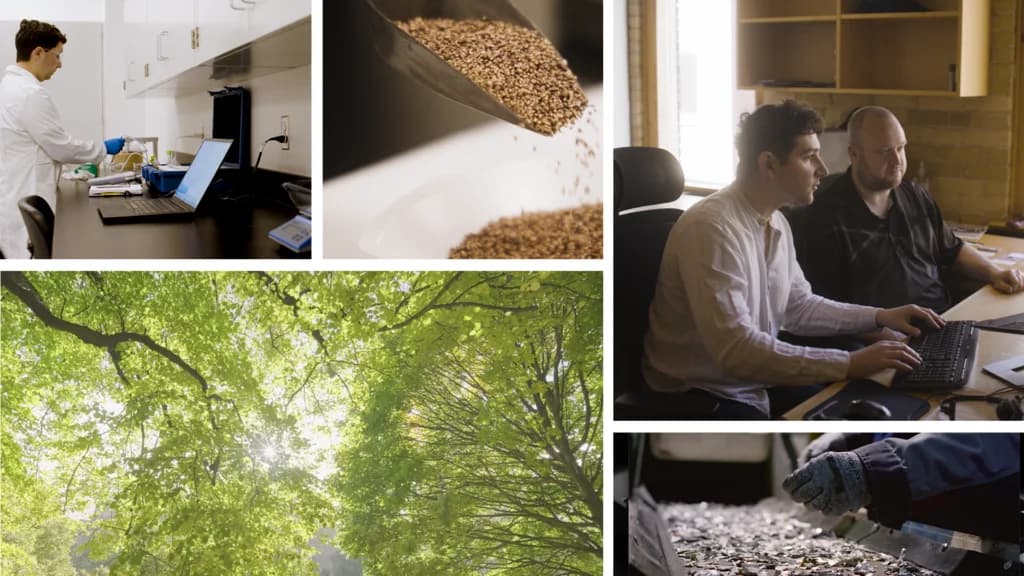
Our new video highlights Cyclic’s work and the opportunity to build more circular supply chains. It also comes at an important moment for the company: the opening of its first commercial-scale rare earth magnet recycling facility in Mesa, Arizona.
YouTube Video
A milestone in bringing circular innovation to scale
Moving from a promising technology to a commercial facility is a significant step for any emerging company. It requires engineering, capital, reliable sources of material, and customers for the recovered products.
Cyclic’s new Mesa facility, which opened in September, marks that transition. The facility has the capacity to process up to 25,000 metric tons of magnet-bearing end-of-life products each year, creating a domestic destination for materials that might otherwise leave the country as waste.
Using Cyclic’s proprietary MagCycle technology, the facility mechanically separates magnet material from end-of-life products. It also recovers metals including copper, aluminum, and steel for reuse in manufacturing.
The recovered magnet material is the starting point for a further processing step. Cyclic’s REEPure technology then recovers rare earth oxides that can re-enter the supply chain for new permanent magnets.
Together, these technologies offer a way to keep valuable materials in circulation and diversify the sources available to manufacturers, creating a source of rare earth elements that reduces the world’s reliance on traditional mining. By mining “above ground”, Cyclic Materials is building a circular supply with lower carbon footprint and reducing waste.
Investing in the technologies circularity requires
Microsoft’s investment in Cyclic through the Climate Innovation Fund reflects our interest in advancing a circular economy, including new approaches to recovering rare earths from end-of-life hard drives.
Hard drives illustrate why this work matters. Traditional disposal processes prioritize secure data destruction and the recovery of certain metals, but rare earth magnets can be lost along the way. Cyclic has developed technology specifically designed to separate magnet-containing components for recovery while allowing the rest of the drive to follow established disposal processes.
For Microsoft, supporting innovation like this is part of a broader effort to help promising climate technologies move toward commercial scale. Investment alone is not enough. New solutions also need opportunities to demonstrate performance, develop commercial relationships, and become part of established supply chains.
Mesa is an encouraging example of that progress.
Building opportunity alongside infrastructure
The value of this infrastructure extends beyond the materials it recovers. Operating advanced recycling facilities also requires skilled people and creates opportunities for the communities around them.
Cyclic’s next planned US campus, in McBee, South Carolina, will bring magnet recovery and rare earth processing together on one site. Operations are expected to begin in 2028, creating more than 90 highly skilled jobs.
For a small community, an investment like this can have significance beyond the facility itself. It can create opportunities for local suppliers and businesses, support workforce development, and provide a foundation for further industrial investment. Realizing those benefits takes sustained engagement with local partners as projects develop.
Progress worth celebrating—and building on
Recycling may not meet every critical-material need. But it can become an increasingly important part of a more resilient supply chain—one that recognizes end-of-life products as a resource, rather than simply a disposal challenge.
We congratulate the Cyclic Materials team on the opening of Mesa. It is a milestone worth celebrating: technology moving into commercial deployment, valuable materials finding a path back into use, and new opportunities taking shape for workers and communities.
Watch the video above to learn more about Cyclic Materials and its approach to building circular supply chains.
Tags: economy, Environment, Environmental Sustainability, Innovation, Microsoft, sustainability, Technology