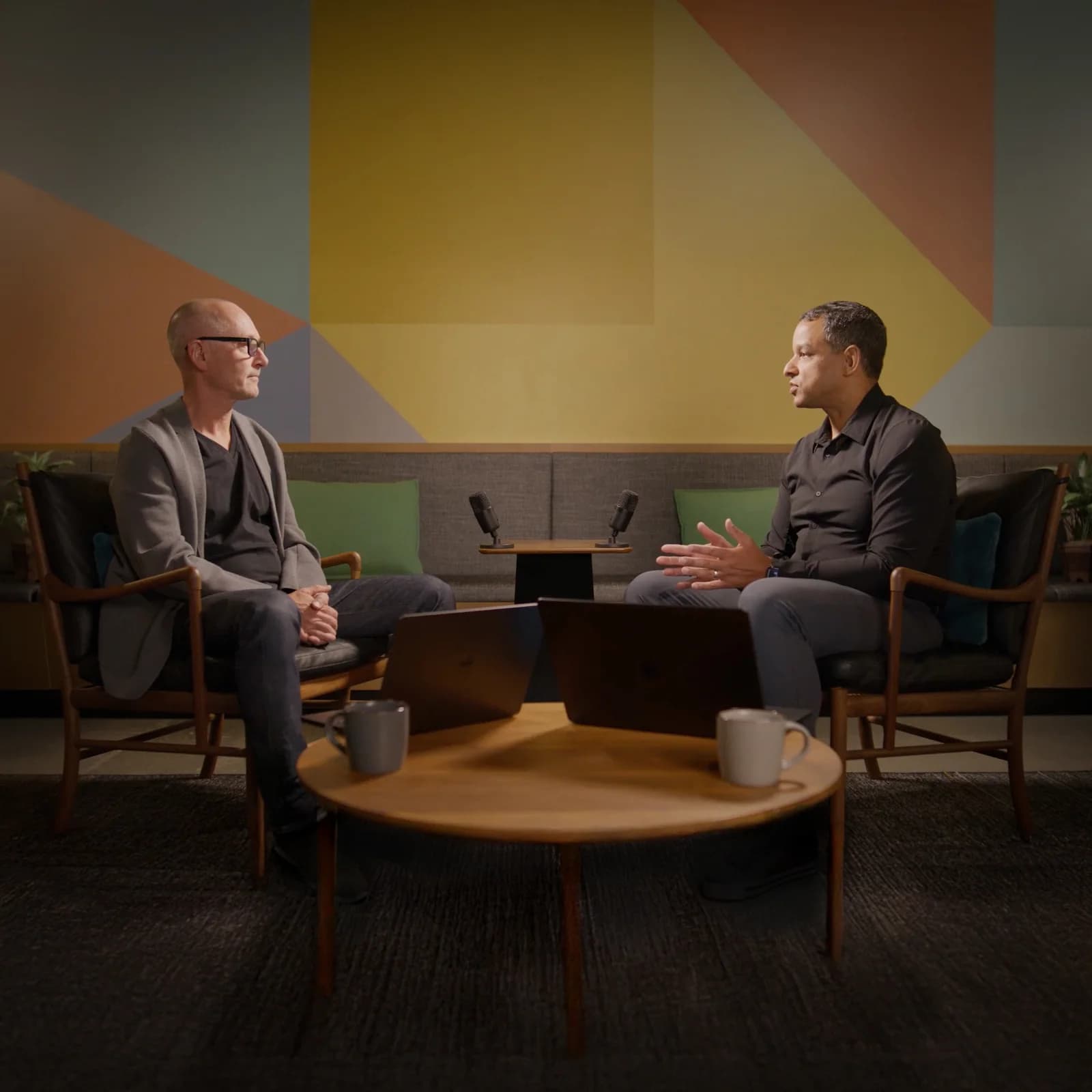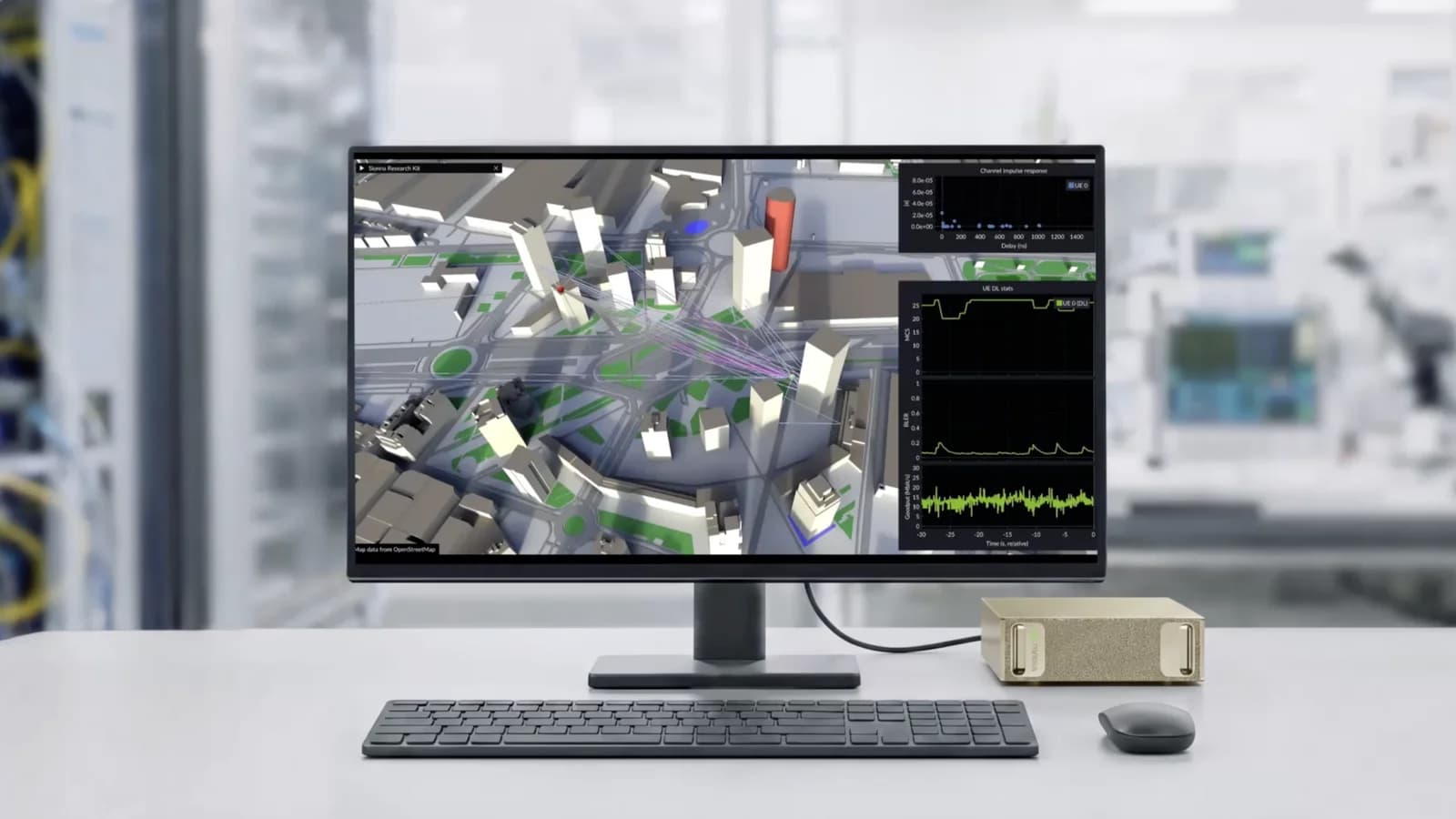
I spend a lot of time looking at networks in large public venues. Usually, the first question is whether everything works. At the Royal Birkdale Golf Club, what stood out was how deliberately the network had been planned around the people, systems, and spaces it needed to support for The 154th Open Championship golf tournament.
The data center was clean and carefully organized. The equipment racks were neatly built out. Every desk in the media center had wired connectivity. The wireless design had clearly been planned alongside the space, not added after everything else was finished.
Turning a temporary venue into a connected campus
That planning matters because Royal Birkdale is a historic golf course, not a permanent stadium. Much of the broadcast, media, hospitality, retail, spectator, and operations environment must be created specifically for The Championship. The overall site takes months to build, operates for a short period, and then comes back down.
For that short window, it has to work like a permanent connected campus.
More than 300,000 spectators came through the gates during the week. The Championship also produced more than 100 hours of live content for viewers around the world.
The Royal and Ancient Golf Club of St Andrews (R&A) organizes The Open and other championships. As the official network supplier of the R&A and its championships, Cisco powered the network that was designed and delivered by Straight Up Technologies, including 734 access points, 217 switches, and 204 kilometers of cabling. During the week, the network supported 124,024 unique clients, reached 15,165 concurrent Wi-Fi clients, and carried 137 terabytes of data.
Those are big numbers, but the more important story can be found by looking at how much depends on this network. People naturally think about the front-of-house experience. Spectators want to communicate, check scores, use digital tickets, find their way around the course, and follow the action.
Supporting spectators and event operations
That connectivity matters, but it is only one part of the environment. Behind it is everything required to run The Championship. Scoring, broadcast, media, ticketing, point of sale, merchandise, hospitality, facility management, and event operations all depend on the network. Most of those systems do not normally exist on a golf course; they must be installed for the event and then operate with the reliability people expect from permanent infrastructure.
The Open Shop retail environment made that especially tangible. It was a massive operation with a constant stream of transactions. Every payment depended on connectivity. If the network stopped working, it would have meant stalled lines, frustrated customers, and lost sales.
Designing wireless around media workflow
The media center was another strong example of designing the network around the work people needed to do. Hundreds of journalists and photographers were producing and transmitting stories, photography, and video under deadline. Cisco Wireless 9176D1 Access Points were mounted overhead to provide coverage across the media desks, with wired connectivity also available at each workstation.
That overhead design sounds straightforward, but it required planning. The access points needed to be positioned and installed before the space filled with desks, equipment, and people. Teams needed to access the structure, locate the right mounting locations, and coordinate with the teams that were building the venue.
The design was built around the physical environment and the users it needed to support. Across the four Championship days, the overall event network carried 40.4 terabytes of upload traffic, reflecting how much information journalists, broadcasters, staff, systems, and spectators were constantly creating and sending.
Building resilience into a temporary venue
To help keep the network operating if part of the infrastructure failed, the high-availability core was divided between two cabins located far apart on the site and connected by a 100G link. Redundant wireless controllers and two diverse internet service providers added further protection.
A fault, power loss, or incident in one location could not be allowed to take The Championship network down with it.
That’s where the architecture mattered most. Wireless, switching, the core, and internet connectivity cannot be treated as separate pieces when so many people, systems, and business processes depend on them. They must work together as one resilient network.
Making a temporary venue feel permanent
Months of work turned Royal Birkdale into a connected venue for The 154th Open Championship. For one week, the network supported spectators, global media, commerce, and the operational systems behind The Open. Then, after the final putt, much of the temporary environment was dismantled.
The real achievement was that, for one week, a temporary venue performed with the resilience and dependability people expect from permanent infrastructure.
Get secure, resilient connectivity at scale with Cisco wireless
Get secure, resilient connectivity at scale with Cisco wireless