Value-added services (VAS) in fulfillment are any warehouse activities that go beyond receiving, storing, picking, packing and shipping. They change the product or its presentation before it reaches the customer or a retail partner. The most common examples are kitting and bundling, Amazon FBA prep and labeling, product personalization such as embroidery, and returns refurbishment, which covers inspecting, cleaning, steaming, repackaging and restocking returned goods so they can be sold again at full price.
When a 3PL handles these services inside the same building that stores and ships your inventory, products don't need to travel to a separate vendor, there are fewer handoffs where errors creep in, and every task shows up in the same order and inventory data. For growing DTC and omnichannel brands, VAS is often the line between a 3PL that ships boxes and one that protects margin and customer experience on every order.
Why Value-Added Services Matter More in 2026
Two shifts have pushed VAS from a nice extra to an operational requirement. The first is Amazon. As of January 1, 2026, Amazon no longer provides prep and item labeling for FBA shipments in the US, according to Packaging Insights. Inventory now has to arrive fully labeled, bagged, bundled and ready to ship, and shipments that arrive without proper prep are not eligible for reimbursement if they are lost or damaged. Brands that relied on Amazon to handle FNSKU labels and poly bagging now need a partner that can do it correctly before the freight leaves the warehouse.
The second is returns. The National Retail Federation projects that consumers will return $849.9 billion in merchandise in 2025, with online purchases coming back at a rate of 19.3 percent. The same report found that 71 percent of consumers are less likely to shop with a retailer again after a poor returns experience. Returns are no longer a back-office cost center. How fast a returned item gets inspected, restored and back on the virtual shelf directly affects both margin and loyalty.
Kitting and Bundling
Kitting is the process of assembling multiple individual SKUs into a single, ready-to-ship unit with its own SKU. A skincare brand's three-step starter set, a supplement company's 30-day wellness bundle and a holiday gift box are all kitted products. Bundling is closely related and often refers to grouping items together for a promotion, sometimes assembled at the moment an order is picked rather than in advance.
Done well, kitting increases average order value, makes promotions easier to launch and speeds up pick and pack during peak season, because a pre-built kit ships as a single pick. It also supports retail and wholesale programs that require display-ready or prepacked units. The operational discipline sits in the bill of materials, which defines exactly which components, inserts and packaging go into each kit, and in the inventory system, which has to decrement component stock accurately every time a kit is built. Learn more about kitting and bundling with cart.com.
Amazon FBA Prep and Labeling
FBA prep covers everything Amazon requires before inventory can be received at its fulfillment centers: FNSKU labeling, poly bagging, bubble wrapping, suffocation warnings, case packing, set creation and carton labeling. With Amazon's US prep services discontinued, getting these steps right is now the seller's responsibility, and errors show up as rejected inventory, receiving delays or unreimbursed losses.
The advantage of handling FBA prep inside your 3PL is that the same inventory pool can feed Amazon replenishment, your DTC site and your wholesale accounts without shipping product to a separate prep center first. Swimwear brand UV Skinz uses Cart.com for FBA replenishment alongside FBM orders and multiple Shopify storefronts, and kept its late shipment rate at 0 percent for more than three months, against Amazon's 4 percent threshold. See how UV Skinz scaled.
What is FBA prep? FBA prep is the set of labeling and packaging steps Amazon requires before inventory can be received into its fulfillment network, including FNSKU labels, poly bagging, bubble wrap and case packing. Since January 1, 2026, Amazon no longer performs these services for US shipments, so sellers must complete them in-house or through a 3PL or prep partner before inventory ships.
Personalization and Embroidery
Personalization includes any customization that makes an order feel made for the person receiving it, from branded inserts and custom packaging to monograms and embroidery on apparel and accessories. Research from McKinsey found that 71 percent of consumers expect companies to deliver personalized interactions, and 76 percent get frustrated when that doesn't happen.
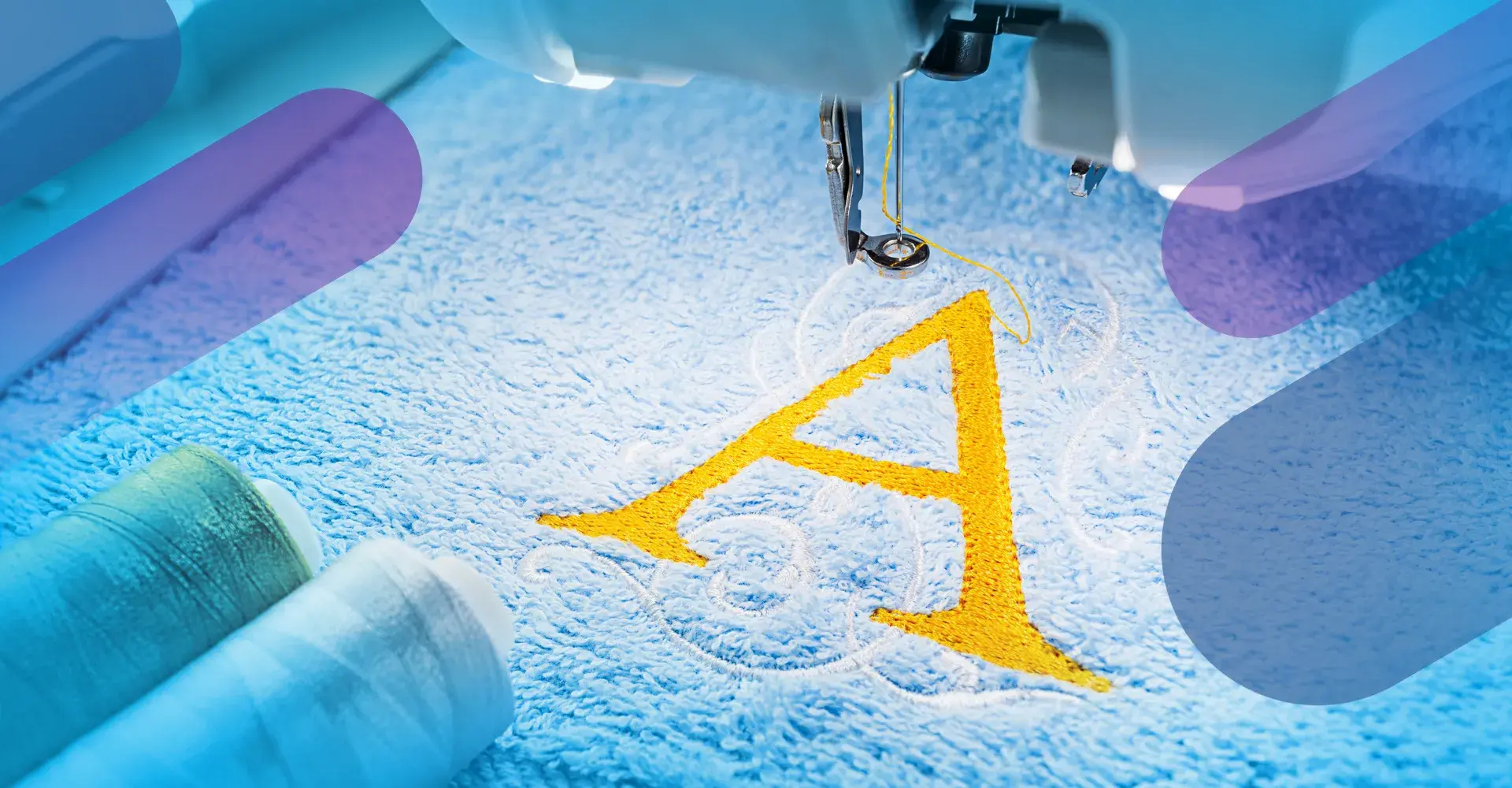
Embroidery handled inside the fulfillment center lets brands sell personalized products without holding inventory at a separate decorator or adding days of transit between vendors. The order comes in, the blank item is picked, the personalization is applied and quality-checked, and the finished piece ships from the same building. That workflow matters most for apparel, accessories, corporate gifting and team or event orders, where turnaround time and accuracy on names, logos and thread colors decide whether the customer comes back.
Returns Refurbishment
Returns refurbishment is the work that turns a returned item into sellable inventory again. Depending on the product, it can include inspection and grading, ironing or steaming apparel, cleaning footwear, replacing hangtags, polybagging and repackaging into new or refreshed packaging, and relabeling before the item goes back into stock. Items that can't be restored are routed to the right disposition, whether that's liquidation, donation, return to vendor or recycling.
The financial case is straightforward. Every returned item that goes back to stock at full price is margin recovered instead of written off, and the faster that happens, the sooner the item is available to sell again. Clear grading rules also remove guesswork from the warehouse floor, so decisions on what is restockable are consistent across shifts and sites.
Footwear brand Thursday Boot Company is a good example. As its customer base grew across DTC, Amazon and retail partners, each with different return policies, returns began arriving without clear return reasons or standard workflows. After Cart.com implemented a unified returns process with item-level grading, Thursday Boots saw 96 percent of returned inventory go back to stock, 100 percent of returns processed within 24 hours, a 3x improvement in warehouse processing efficiency and a 50 percent decrease in returns-related service time. Because Cart.com was already running fulfillment for the brand, the new returns flow removed complexity rather than adding another vendor. Read the Thursday Boots case study.
Thursday Boot Company returns results with Cart.com
96%
of returned inventory returned to stock
100%
of returns processed within 24 hours
warehouse processing efficiency
50%
decrease in returns-related service time
What is returns refurbishment? Returns refurbishment is the process of inspecting, grading and restoring returned products so they can be resold. It can include steaming or ironing apparel, cleaning footwear, replacing tags and repackaging items before they are relabeled and put back into sellable inventory.
In-House VAS vs. Separate Vendors: What Changes
Many brands start by splitting these tasks across vendors: a prep center for Amazon, a decorator for embroidery, a returns processor for reverse logistics and a 3PL for everything else. Each handoff adds freight cost, transit days and another system that doesn't talk to the rest. Inventory sitting at a prep center isn't available for DTC orders, and returns sitting at a processor aren't available for anything.
Consolidating VAS inside the fulfillment operation changes three things. Inventory stays in one pool, so the same unit can be kitted for a promotion, prepped for Amazon or shipped DTC depending on demand. Quality control happens under one set of standards and one set of SLAs. And every VAS activity is recorded in the same order and warehouse management data, so brands can see what was built, prepped, personalized or restored, and what it cost, without reconciling reports from four different partners.
When Should a Brand Outsource Value-Added Services?
Outsourcing VAS makes sense when these tasks start pulling your team away from growth work or creating inconsistency at volume. Common signals include selling the same bundles hundreds of times a week, preparing for a seasonal gift-set launch, sending regular replenishment to Amazon now that prep is no longer handled by Amazon, offering or planning to offer personalized products, and watching returns pile up faster than your team or current partner can grade and restock them. Brands selling across DTC, Amazon and wholesale tend to feel these pressures first, because each channel brings its own packaging, labeling and return rules.
The questions to ask any 3PL are practical ones. Which services are performed in the same building that stores your inventory? How are kitting instructions and grading rules documented and audited? How quickly do returns go from the dock back to sellable stock, and can you see that data at the item level? The answers tell you whether VAS is a real operating capability or a line on a services page.
Frequently Asked Questions
What are value-added services in a 3PL?
Value-added services are fulfillment activities beyond standard storage, pick, pack and ship. Common examples include kitting and bundling, Amazon FBA prep and labeling, custom packaging and inserts, embroidery and other personalization, retail compliance labeling and returns refurbishment.
What is the difference between kitting and bundling?
Kitting is the physical assembly of multiple SKUs into one pre-built unit with its own SKU, completed before orders arrive. Bundling usually refers to grouping products together as a single offer, which can be assembled in advance or picked as separate items at the time of the order.
Does Amazon still do FBA prep in 2026?
No. Amazon stopped offering prep and item labeling services for US FBA shipments on January 1, 2026. Sellers now need to label, bag and package inventory before it ships to Amazon, either in-house or through a 3PL or prep provider.
How does returns refurbishment save money?
Returns refurbishment recovers margin by turning returned items back into full-price inventory instead of writing them off or liquidating them. Faster inspection, cleaning and repackaging also shortens the time an item sits out of stock.
Can a 3PL embroider or personalize products?
Some 3PLs offer embroidery, monogramming and other personalization inside the fulfillment center. Handling personalization in the same facility that stores and ships inventory removes transit time to an outside decorator and keeps the order in a single workflow.
Which brands benefit most from value-added services?
Brands selling across multiple channels benefit most, especially apparel, footwear, beauty, wellness and accessories companies that run promotions, sell on Amazon, offer personalized products or manage high return volumes.
What Is Kitting? How Bundling and Assembly Work in Fulfillment
Multichannel Fulfillment: Everything You Need to Know
Thursday Boot Company: Returns Case Study
If your team is spending more time building bundles, prepping Amazon shipments or working through return backlogs than growing the business, Cart.com can take that work inside the same operation that already stores and ships your products. Talk to our fulfillment team to see how kitting, FBA prep, personalization and returns refurbishment fit into your fulfillment program.