Transforming automotive logistics through GenAI adoption and value-stream re-engineering
Published: 8 October 2026
Last updated: 9 October 2026
- Overview
- The Challenge
- The Solution
- The Impact
- Beyond The Numbers
- Celebrating Success
Overview
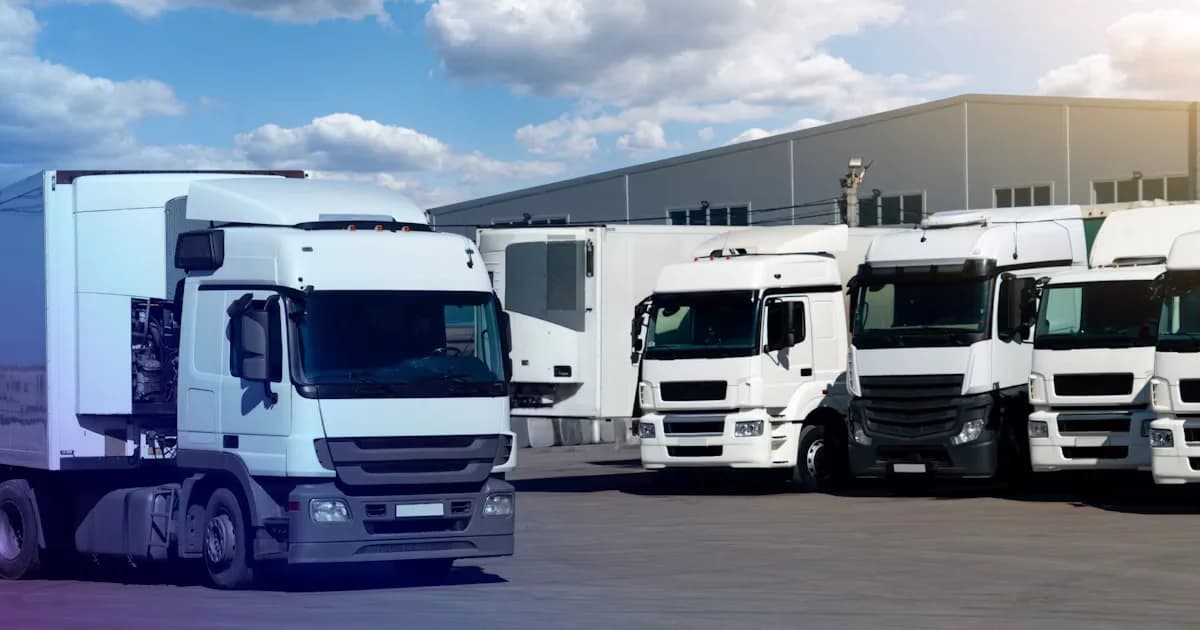
The client is a leading European automotive logistics provider, delivering end-to-end vehicle, cargo and spare-parts logistics services to global automotive manufacturers and mobility companies. Its massive operations are sustained through an extensive network of logistics platforms and vehicle compounds, all dependent on a deeply interconnected IT application ecosystem.
The Challenge
To maintain its position as a logistics leader, the client needed to address complex technical debt and operational bottlenecks across its core applications. The primary challenges included:
- Legacy technological footprint: A large portion of the application portfolio relied on legacy technologies, including outdated Java and Tomcat stacks, which slowed down modernization initiatives.
- High manual testing overhead: Test cases required frequent manual review and validation to stay aligned with functional changes, forcing teams to spend excessive effort on manual regression testing and defect remediation.
- System instability and downtime: Database optimization constraints, duplicate data records and large-scale code fixes across tightly coupled systems caused periodic performance degradation and application downtime.
- Siloed application visibility: Business processes spanning logistics, vehicle lifecycles, finance and Electronic Data Interchange (EDI) systems were managed in application-centric silos, limiting end-to-end traceability and making it difficult to pinpoint where value was being delayed or lost.
- Late requirement shifts: Frequent changes to requirements after development had already commenced led to extensive rework, delayed releases and an inflated cost of change.
The Solution
HCLTech deployed a comprehensive testing and quality engineering transformation strategy tailored to break down application silos and infuse automated intelligence into the software delivery lifecycle.
Value Stream Mapping (VSM) and process re-engineering
Instead of viewing applications in isolation, HCLTech conducted collaborative VSM sessions with SMEs, AppOps, development and integration teams to map "As-Is" workflows. By analyzing cycle times, wait times and handoffs, the team identified non-value-adding patterns like duplicate data entries and manual validations. A "To-Be" VSM was then designed to eliminate manual steps, standardize workflows and introduce straight-through processing.
GenAI and Agentic AI innovation
To accelerate development and secure the ecosystem, HCLTech implemented an intelligent Unit Test Generator agent leveraging advanced platforms:
- Technology stack: Powered by GPT-4.1, Azure OpenAI, GitHub Copilot (GHCP) and AICafe.
- Automated testing: Implemented an automated system that generates unit tests aligned with strict organizational coding guidelines, reducing manual testing effort by up to 40 % and catching defects early.
- Robust regression frameworks: Implemented rigorous regression testing to safeguard platform stability across continuous integration and release cycles.
The Impact
The combination of value-stream re-engineering and GenAI adoption delivered significant, measurable performance gains across the client’s supply chain operations:
- 100% GenAI tool adoption: AI-first engineering became the default way of working, establishing consistent development practices across vehicle logistics orchestration, workshop execution and transport planning.
- 44% developer productivity gain: Engineering throughput increased substantially, accelerating core workflows like order lifecycle management, VIN processing and route planning without increasing capacity costs.
- 47% improvement in delivery velocity: Shorter development cycles allowed for a significantly faster rollout of enhancements across critical SAP integrations and Order Management System (OMS) synchronizations.
- 33% better security outcomes: GenAI-assisted code generation and automated reviews proactively strengthened application security and boosted overall platform resilience.
- Scalable code reuse: Teams achieved a 31% suggestion acceptance rate and a 27% code acceptance rate, seamlessly reusing AI-generated patterns across integrated logistics tracks to eliminate redundant rework.
Beyond The Numbers
HCLTech’s intervention has driven a profound cultural shift from siloed, application-centric maintenance to an integrated, value-stream-focused methodology. By replacing manual, error-prone data validation practices with GenAI-driven automation, the cognitive load on developers has dropped dramatically, freeing up vital time to focus on strategic feature creation rather than defect remediation. Shifting from late-stage bug patching to early defect detection has stabilized core EDI and integration pipelines, turning technical debt into an agile foundation that supports scalable vehicle logistics orchestration.
Celebrating Success
Throughout the engagement, the client highly valued HCLTech’s exceptional accountability, responsiveness and absolute ownership of outcomes. Facing highly fluid requirements and complex technical challenges, the integrated client-HCLTech teams established a seamless collaboration model characterized by transparent communication and rapid feedback incorporation. This tight alignment ensured that critical delivery milestones and business objectives were consistently achieved on schedule, cementing a future-ready framework for European logistics innovation.
DBS Digital Business Case study Transforming automotive logistics through GenAI adoption and value-stream re-engineering