With 83% of companies expecting to adopt automation and robotics technologies within the next 5 years, there is little question that the steady growth of AI-driven automation in the workplace is having a profound impact on industries. Since employee safety is a top concern for manufacturers, it’s critical to consider this factor when implementing robotics and automation technologies.
The impact of automation on workplace health and safety
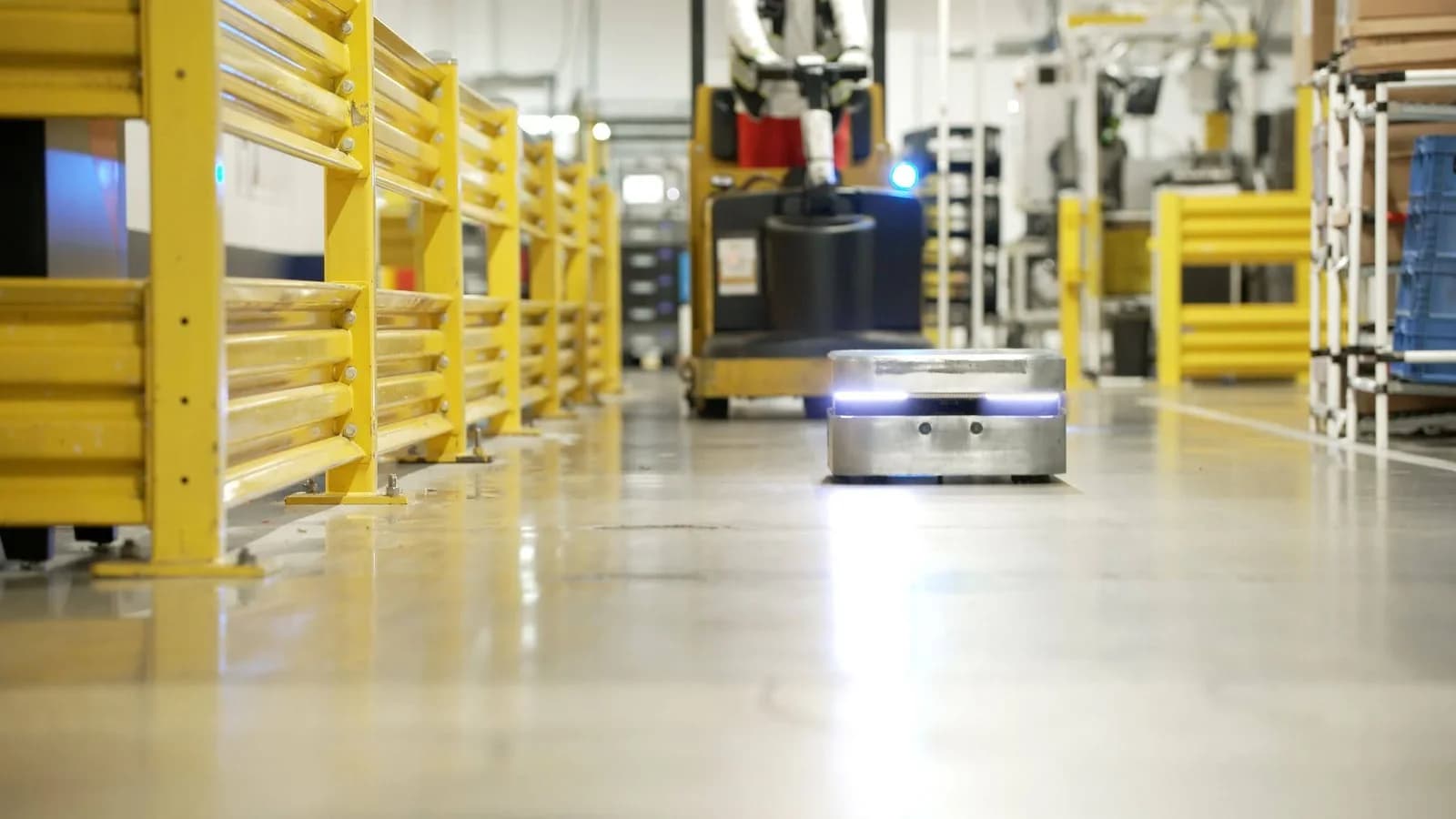
Many companies see automation as having an overwhelmingly positive impact on workplace health and safety in the processing, materials handling and logistics sectors, largely because of its ability to minimize workplace injuries. Specifically, autonomous mobile robots (AMRs) often tackle repetitive tasks, such as pushing a cart between two workcells in a facility or loading a pallet.
Operators have been sharing that they no longer struggle to get out of bed because of back or leg pain, they are sleeping better at night because they aren’t sore from stacking boxes. They are able to play with their children and pets again because their bodies are fresher when their days end.
A Fortune 500 food & beverage manufacturer
Automation has a direct impact on reducing three of the top five causes of occupational injury—contact with objects (i.e. injuries caused by people operating machines), overexertion (i.e. lifting heavy loads) and repetitive stress injuries. These three causes account for nearly three-quarters of all workplace injuries in the US. In the material handling sector, the use of manually-operated forklifts results in 85 fatalities and 34,900 serious injuries each year.
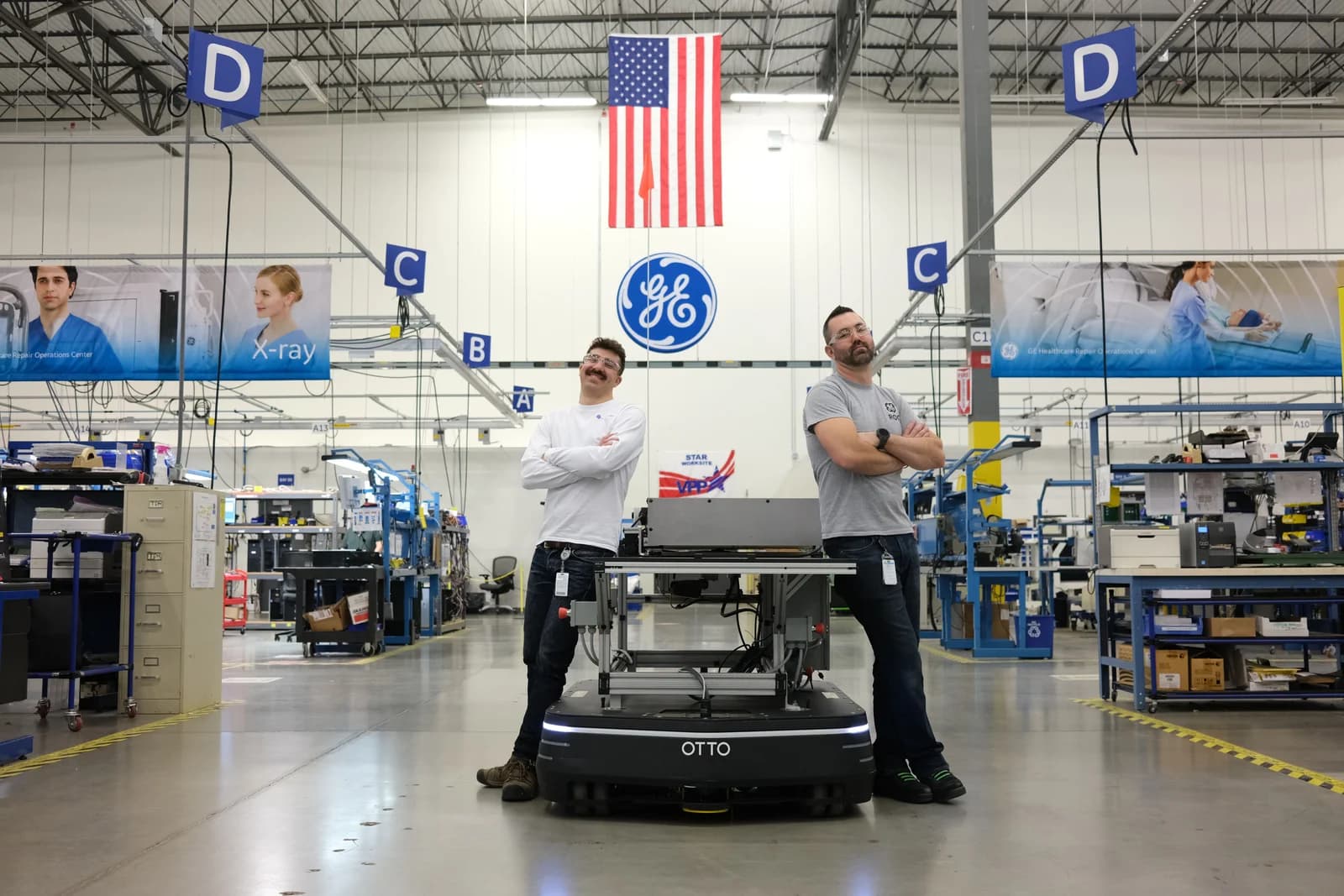
By replacing manually-driven forklifts with AMRs, accident rates can be reduced. For example, OTTO helped window and door manufacturer Sunview Patio Doors replace the tow motors and forklifts the company used to transport finished products from the end of its production line to its warehouse.
It’s the first type of material handling equipment that has a 100% safety rate, we haven’t had a single incident and it’s been over a year.
Kurt Oberparleiter
VP of Operations, Sunview Patio Doors
How to prioritize health and safety around robotics
At the start of the automation journey, some manufacturers may be apprehensive about the impact of robotics and AI-driven automation on workplace health and safety.
The benefits of automation go beyond just health and safety. Health and safety compliance processes are labor intensive, requiring a lengthy cycle of repetitive inspections, form-filling and implementing improvements. Therefore, mistakes and oversights frequently creep in. AI solutions can carry out safety checks and risk assessments at peak efficiency and accuracy, allowing employees to work on other value-added tasks.
If a job is repetitive and boring, human workers tend to make a mistake, whereas robots can do these things the same way time after time.
Frank Hearl
Chief of Staff, The National Institute for Occupational Safety and Health
From computer vision platforms that carry out visual inspections via cameras to robotic process automation (RPA) tools that fill out the forms and trigger alerts when something doesn’t quite look right, AI solutions are designed to eliminate errors and complete administrative safety tasks quickly.
On top of providing efficiency benefits, AI-driven equipment is designed to minimize risks and accidents, and the technology used to do so is increasingly sophisticated and reliable. For example, by linking sensors to AI control software, cobot and AMR manufacturers are able to create solutions which detect and avoid human or object obstacles, quickly and autonomously finding a safer route.
Through research and viewing case studies like Sunview, companies can grow their understanding of the technology and benefits of automation in the area of worker safety.