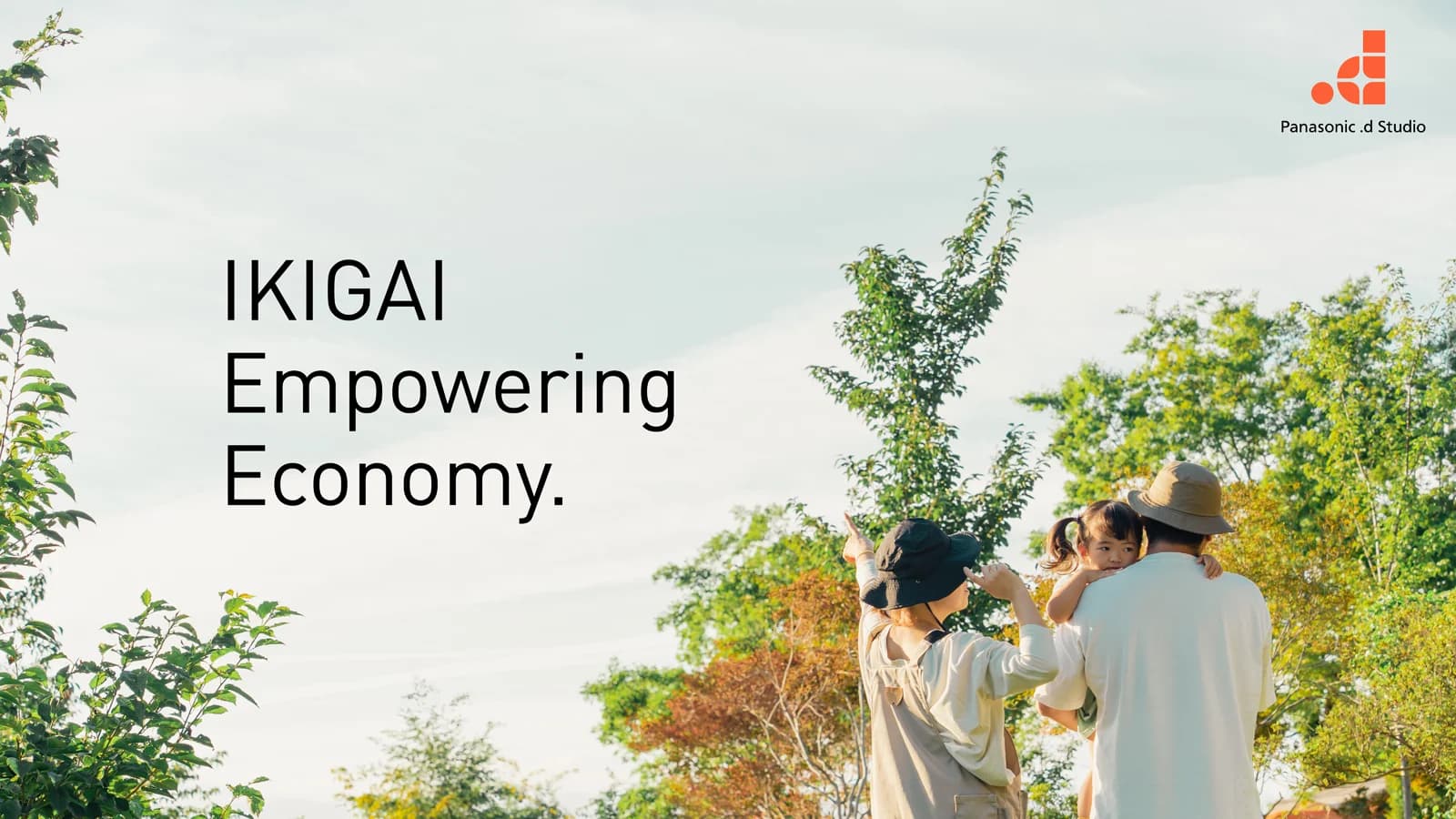
The “Co-caring OS” at the heart of the initiative goes beyond simply matching people who need help with people who can offer it. It translates local challenges into meaningful roles that people can choose to take on, connecting those roles with each person’s experience, skills, interests, and available time. In doing so, it creates opportunities for people to feel that they are helping others and to discover ikigai and a sense of their own worth.
By recording and building on the contributions and trust generated through these activities, and connecting them to future opportunities, the Co-caring OS will continue to evolve as a foundation that connects society’s needs with people’s untapped potential and keeps that value circulating. Through the continued development of this framework, Panasonic .d Studio aims to realize a “Software-Defined Society” (SDS) *.
For example, a community may want to hold a local festival but lack enough people to prepare for it. The Co-caring OS would break that need down into roles such as planning the festival, preparing the venue, guiding attendees, and cleaning up. By showing the time commitments and conditions for each role, it would allow people to choose how to participate. Afterward, their contributions would be recorded and accumulated, helping nurture lasting connections with the community.
Panasonic .d Studio views AI-centered technologies as a means of unlocking human value rather than replacing people. These technologies will help identify and structure the diverse challenges within communities. Drawing on each person’s experience, skills, and interests, they will also help uncover capabilities that people themselves may not have recognized and connect them with roles they can take on. Alongside this, Panasonic .d Studio will design mechanisms to fund activities and generate revenue to support operations.
Starting with existing community activities, Panasonic .d Studio will test and refine the framework through small-scale pilot projects. Working with partners with relevant expertise, the organization will develop a foundation that can be applied across many areas of everyday life, including food, housing, mobility, learning, childcare, long-term care, travel, crime prevention, and the maintenance and improvement of local environments.