Industrial companies are navigating an increasingly complex and changing landscape, facing pressures from global risks like supply chain disruptions and tariffs. As they adapt to this uncertainty, resilience is becoming increasingly essential for manufacturers to remain agile, productive, and competitive.
In Rockwell Automation's 10th annual State of Smart Manufacturing Report, over 1,500 global manufacturing leaders shared how smart technologies are helping them build the resilience needed to thrive in this challenging environment. The report underscores the growing importance of innovation and adaptability, showing how manufacturers are leveraging technology to navigate global risks and drive greater efficiency.
What are the main challenges leading manufacturers to adopt smart technology solutions?
As manufacturers look to outpace their competitors, their top internal obstacles have evolved significantly over the past year.
Notably, manufacturers deploying and integrating new technology has increased in importance since the 9th annual report, reflecting a stronger emphasis on seamless, facility-wide integrations to drive operational efficiency across the plant. Additionally, balancing quality with profitable growth has climbed in priority, reflecting a growing tension between maintaining operational excellence and achieving profitability.
The report also highlights four major external obstacles manufacturers are facing, with inflation noted as the top concern for the third year in a row, followed by:
- Cybersecurity: The manufacturing sector accounts for 21% of ransomware attacks, making it more than three times as likely to be targeted. As manufacturers increasingly deploy smart technologies and integrate IT and OT networks, cybersecurity is becoming more complex, with heightened risks to both digital and physical infrastructures. Ensuring the security of connected systems and data has never been more critical.
- Supply chain disruption: To mitigate uncertainty such as trade volatility, manufacturers are increasingly focusing on reshoring and nearshoring operations. Integrating smart technologies will be crucial for enabling more responsive, flexible operations—improving logistics and competitiveness in fast-paced markets.
- Workforce issues: Amid a global labor shortage, manufacturers are recognizing the importance of combining skilled workers with smart technologies. In fact, over half of respondents plan to reallocate existing employees or hire workers with technology skillsets, emphasizing the need for training and adaptability to build a resilient, tech-driven workforce.
Tactics manufacturers can use to build supply chain resiliency
Building a more resilient supply chain is a top priority for manufacturers, with 95% of respondents piloting, scaling, or planning investment in smart manufacturing technologies.
Here are three of the tactics manufacturers are using to drive value and achieve long-term success as they navigate a complex and rapidly changing industrial landscape.
1. Prove the value of technology
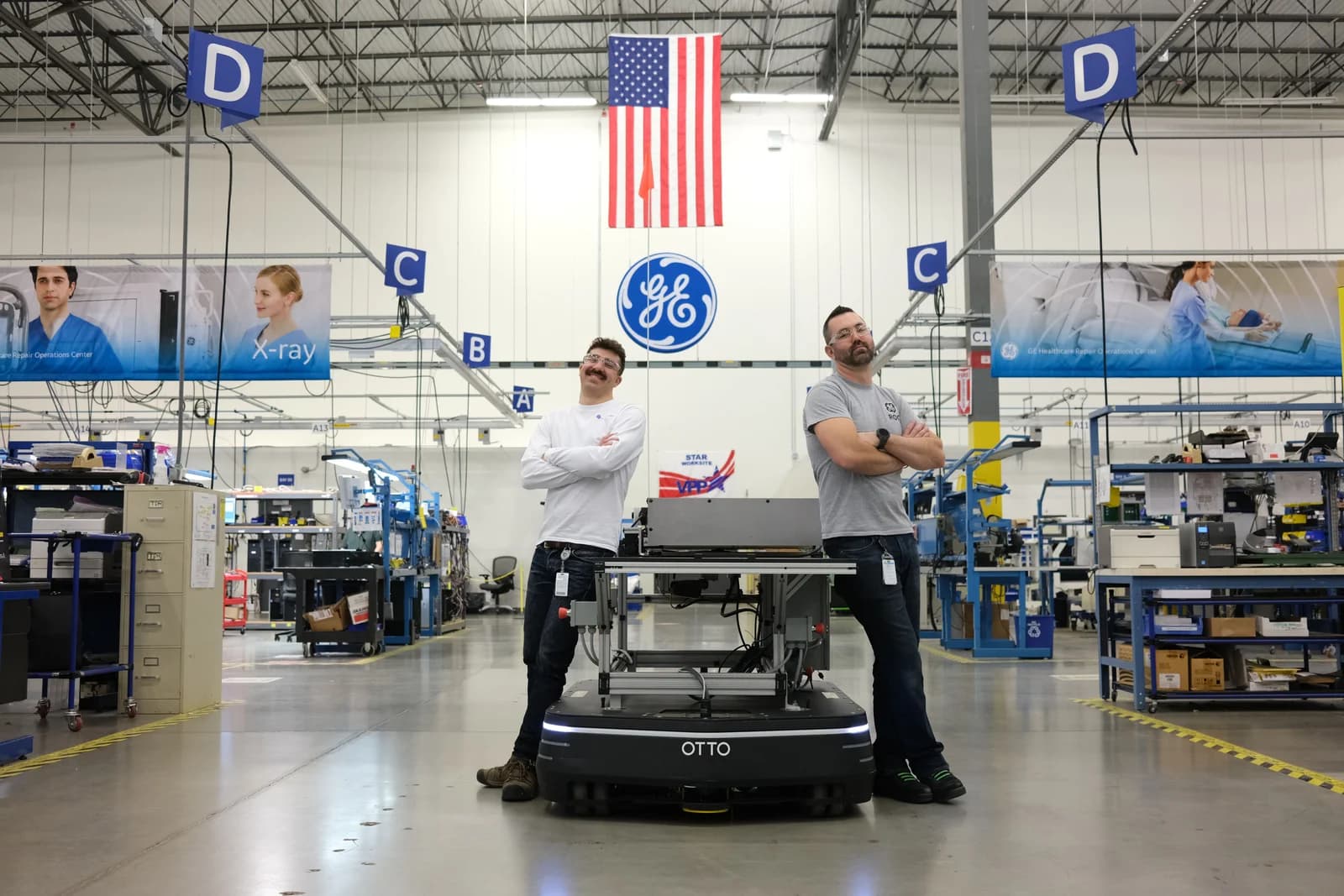
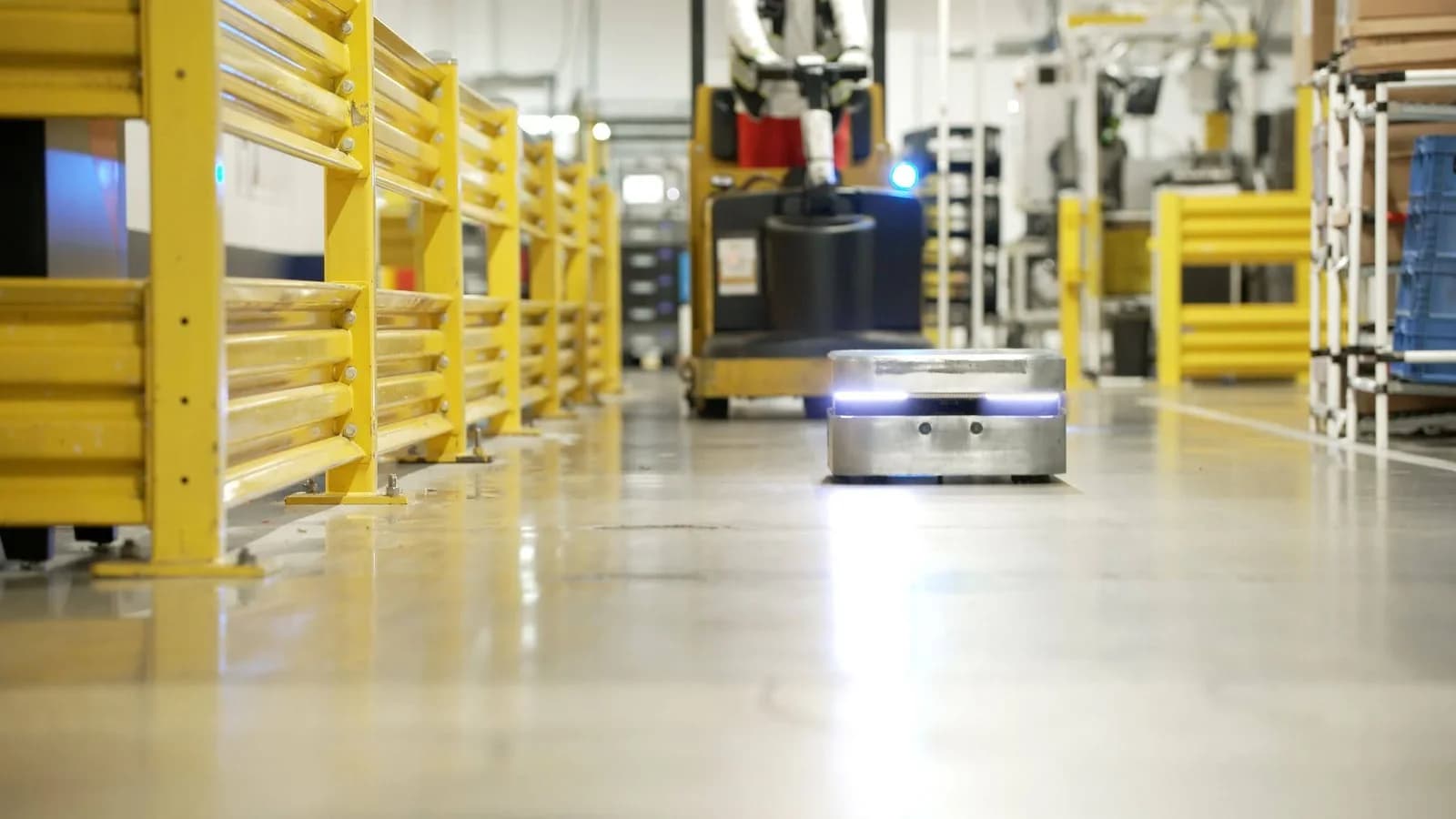
Smart manufacturers are shifting focus from simply adopting technology to solving specific operational challenges through scalable, high-impact solutions. Proving long-term value means identifying use cases that deliver measurable results and selecting technologies that can scale across the facility to build lasting resilience. Just as important is choosing a partner—not just a vendor—who can support your strategic goals over time. If you’re considering autonomous mobile robots (AMRs) for your operation, read this eBook to help demonstrate the value of the technology and gain insight into selecting a partner that supports long-term success.
2. Foster enterprise collaboration
Integration is a growing priority for manufacturers, and siloed solutions are no longer sustainable. To drive long-term success, manufacturers need technologies that connect IT and OT systems across the enterprise—bringing together people, warehouse management systems, and isolated automation solutions. Creating a connected factorynot only improves visibility and decision-making but also lays the foundation for scalable, resilient operations.
3. Equip and champion people
To unlock the full potential of digital technologies, manufacturers must empower their teams beyond the introduction of new solutions. It’s essential to equip, train, and enable employees to leverage technology for greater efficiency and to take on new roles within the organization. With 48% of manufacturers planning to repurpose current employees through retraining or hire new workers with technology skillsets, fostering a culture of continuous learning and adaptability will be key to driving long-term success.
To explore five more tactics manufacturers are using to build resiliency and adapt to today’s challenges, download the full State of Smart Manufacturing Report.