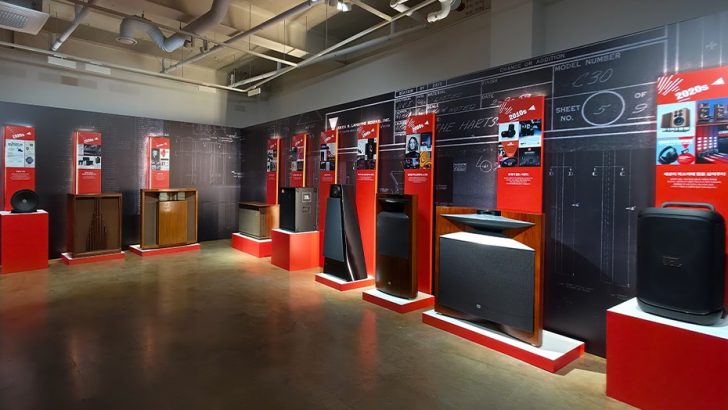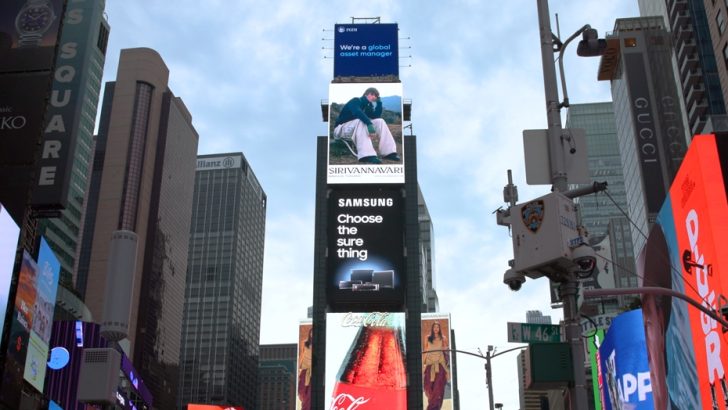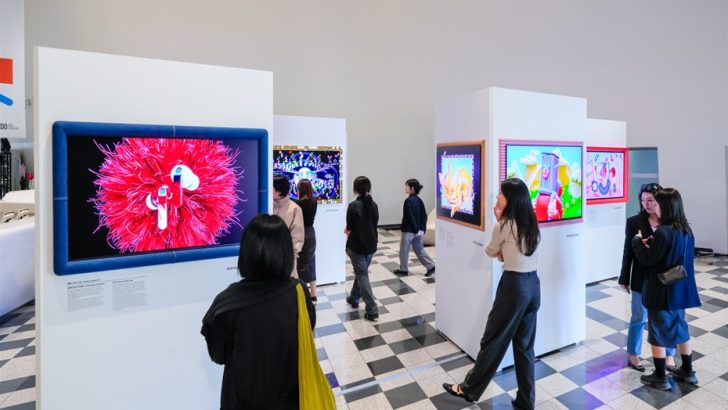
From concerts and cars to homes and headphones, high-quality sound enriches everyday experiences. For 80 years, JBL has evolved alongside changing listening habits while remaining deeply connected to music and culture. Meanwhile, Bowers & Wilkins has spent 60 years pursuing exceptional sound through precision engineering, craftsmanship, and an uncompromising commitment to reproducing the original performance.
Both brands are part of HARMAN, a wholly owned subsidiary of Samsung Electronics. In 2026, the companies mark three milestones — JBL’s 80th anniversary, Bowers & Wilkins’ 60th anniversary, and 10 years of the Samsung-HARMAN partnership.
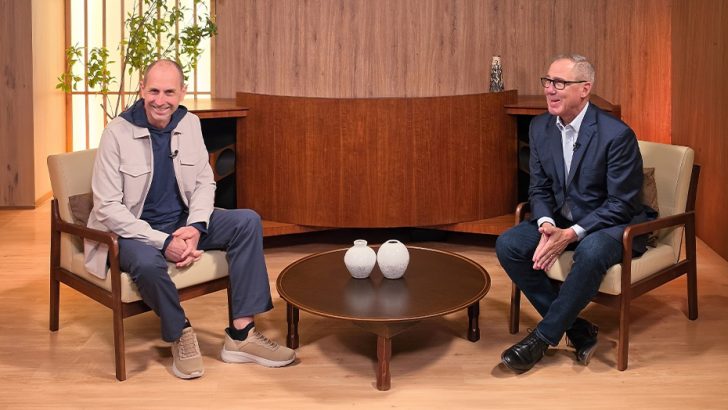
Samsung Newsroom spoke with Dave Rogers, President of the Lifestyle Division, and Armin Prommersberger, Chief Technology Officer, both at HARMAN, about the values that have shaped the two audio brands, the evolution of the Samsung-HARMAN partnership, and what lies ahead.
A Legacy of Pioneering Spirit and Innovation
Q. What has allowed JBL and Bowers & Wilkins to remain relevant across generations?
Rogers: JBL has never assumed that what worked yesterday would be enough for tomorrow. The brand has expanded beyond cinemas and studios into festivals, cars, homes, headphones, and portable speakers.
Technology, listening habits, and culture have changed, but the reason people care about sound remains the same. Sound evokes emotion, creates memories, and brings people together.
The journey from the JBL 4310 studio monitor to the JBL L100 loudspeaker captures this well. The 4310 was developed for professionals whose work demanded critical listening. JBL then carried that professional audio DNA into the L100, bringing professional-grade sound into the home. The L100 went on to become the brand’s best-selling loudspeaker. More than a technological evolution, this transition reflected JBL’s ability to connect the people who shape culture with those who live it.
Bowers & Wilkins has followed a different path from JBL. Designed for accuracy, its 801 loudspeaker became a reference monitor for engineers at Abbey Road Studios — the recording studio that has worked with some of the world’s most celebrated artists — reflecting the brand’s commitment to acoustic precision and fidelity to the original performance.
Different personalities, but the same refusal to compromise on what matters.
Q. What is one core value of JBL and Bowers & Wilkins that should never change?
Rogers: Our obsession with quality and the experiences both brands deliver. Products and technology will change, but how we make people feel — that’s the standard.
Prommersberger: Curiosity. The moment an engineer says, “That’s good enough,” we have a problem. Fortunately, we have quite a few people at HARMAN who find “good enough” deeply irritating.
Bowers & Wilkins’ Nautilus loudspeaker is a great example. The brand had already made significant progress in reducing unwanted vibration with its Matrix cabinet technology, but John Bowers and his research team questioned whether the cabinet itself was part of the problem. That question led to five years of research and ultimately to the development of Nautilus, featuring a tapered-tube design to absorb unwanted sound from the back of the drive units.
Good engineering is not only about solving problems. Sometimes, it is about becoming uncomfortable with the solutions that have already made you successful.
Q. And what must continue to change?
Prommersberger: Technology. People’s expectations don’t stand still, and we’re moving toward experiences that understand context, adapt intelligently, and become more personal.
Today, we still do a lot of work for our devices — choosing modes, opening apps, and adjusting settings. With AI and greater connectivity, technology can better understand us and adapt more naturally to our needs.
The breakthrough will not be that our devices can do more. It will be that we have to manage them less.
Complementary Strengths, Shared Ambition
Q. What have Samsung and HARMAN achieved and learned over 10 years of partnership?
Rogers: One of the earliest examples was bringing HARMAN’s audio expertise into the Galaxy experience through AKG, a HARMAN company. We combined our knowledge of sound with Samsung’s capabilities in mobile technology, design, and scale to enhance products people already use every day.
We then applied this approach more broadly through the Automotive Digital Cockpit, combining Samsung’s strengths in displays and connected ecosystems with HARMAN’s automotive and in-cabin expertise. The ambition was no longer simply to bring better technology into cars but to see them as part of people’s connected lives.
We’ve learned how to turn our differences into strengths.
Throughout our journey together, we’ve also learned to think bigger and faster. Samsung has an extraordinary ability to turn ideas into technology that touches people’s lives on an enormous scale. That mindset challenges us — in a good way.
The Future of Sound That Moves People
Q. Samsung and HARMAN share a vision for connected experiences. What could that look like throughout someone’s day?
Prommersberger: Imagine a typical day. You wake up, and your Galaxy devices are ready to help you start the day. When you leave home and get into your car, the vehicle can adapt to your journey and the preferences you’ve chosen to share.
Your audio experience continues naturally. Information is prioritized based on the situation while you’re driving, and the cabin adjusts to the people inside. On the way home, your car and home can work together to make the transition feel almost seamless.
A truly connected day should have fewer seams in it. Users shouldn’t have to think about which app to open or which setting to change. They should simply feel that technology understands the flow of their day and gets out of the way.
Q. What excites you most about the next 10 years?
Prommersberger: I think technology is going to understand us much better — our environment, preferences, activities, and needs. That creates new possibilities for sound, mobility, and connected experiences.
Technology should become more intelligent so the experience can become more human. If we get that right, people won’t notice the complexity underneath. They’ll simply feel the difference.
Rogers: Eighty years from now, people may not remember every technology we launched. But they’ll remember the experiences those technologies made possible — the concert they felt part of, the song they couldn’t stop playing, the drive they’ll never forget, and the people they shared those moments with. Technology changes quickly, but human emotion doesn’t. Our opportunity is to keep bringing those two things together.