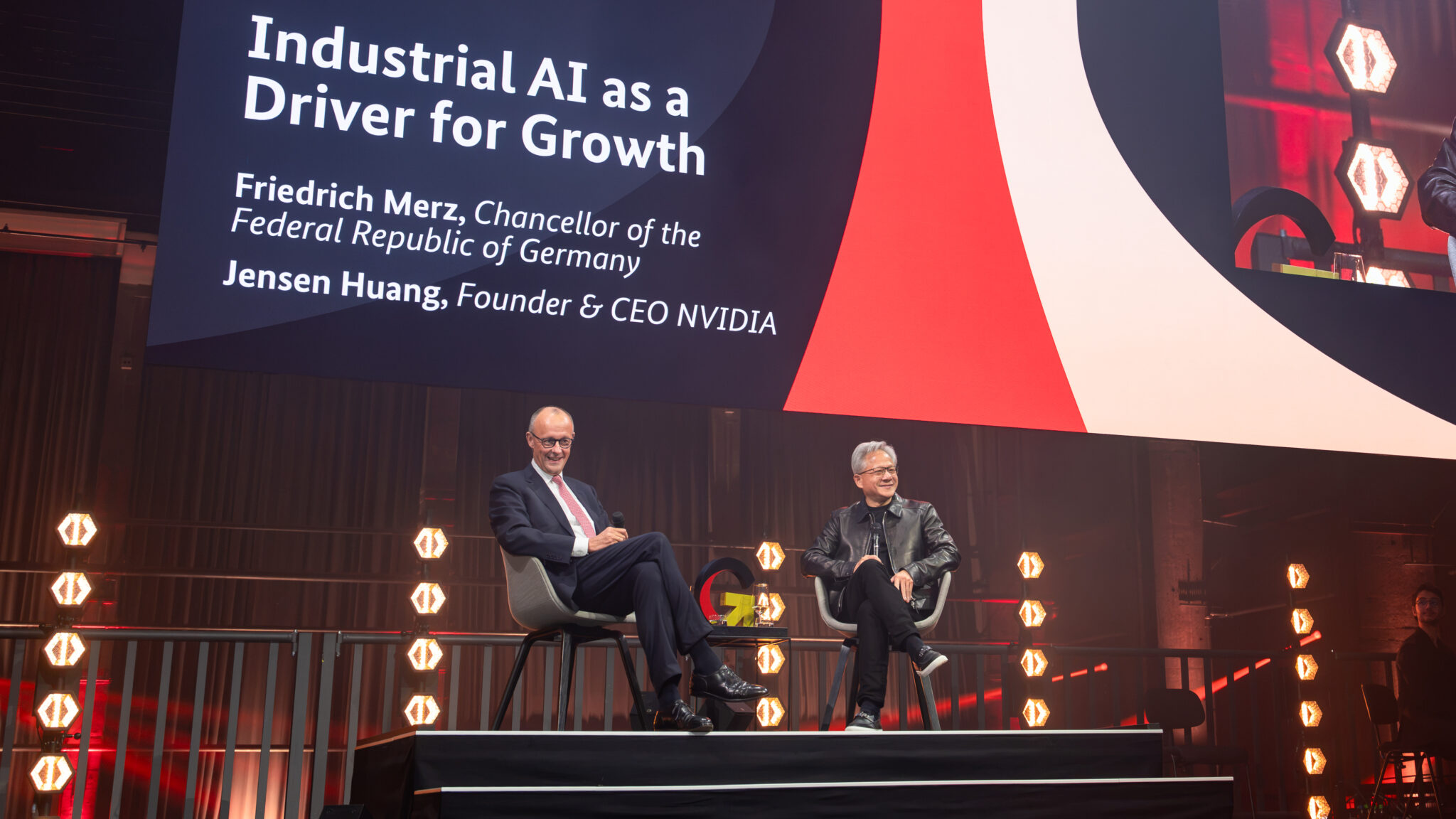
Founded in a tent near the Berlin Wall in 1980, the Tempodrom moved several times before settling near Anhalter Bahnhof in 2001. Its permanent home has since hosted concerts, galas and political events.
Today, it hosts a different kind of spectacle.
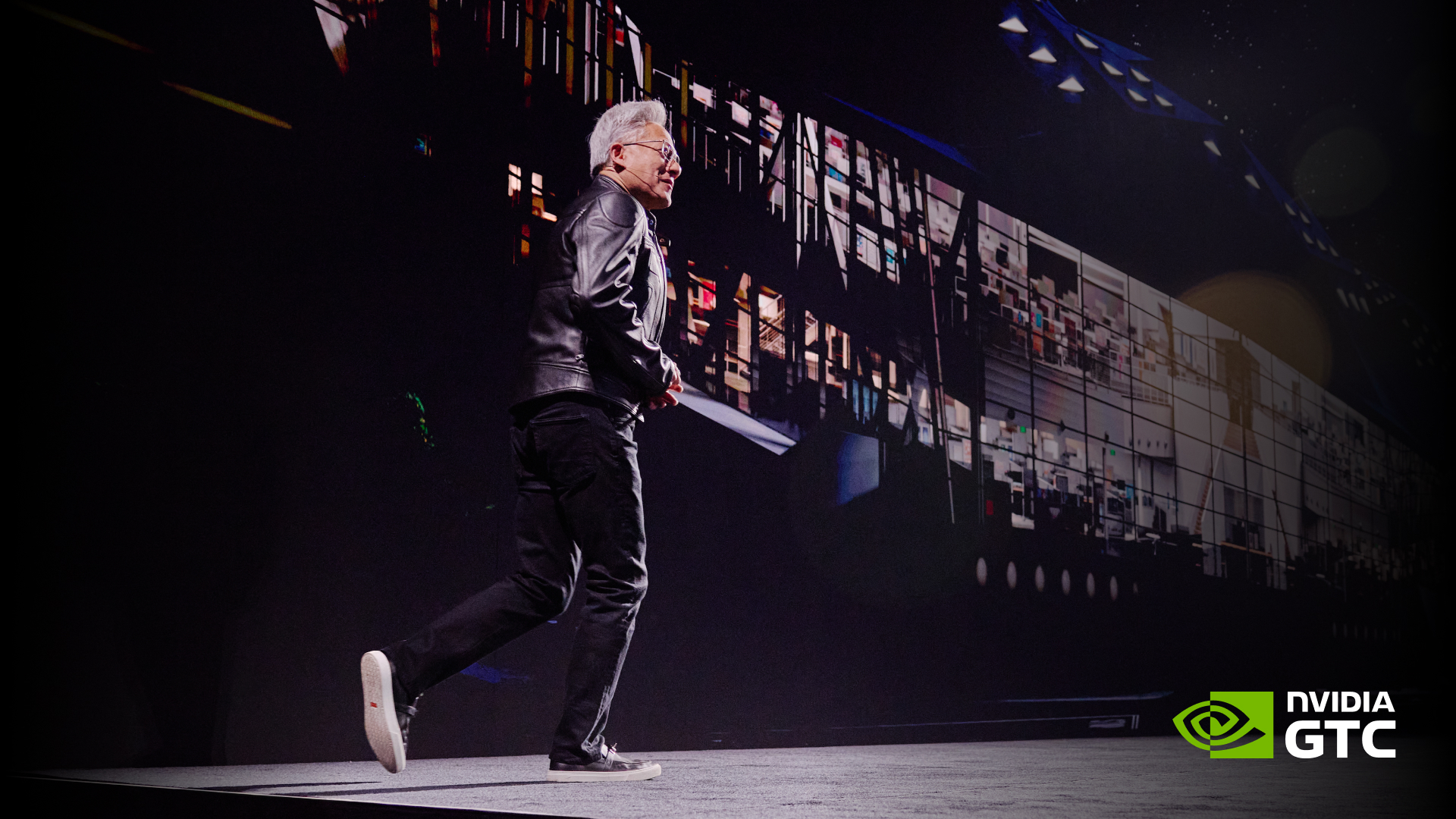
GTC Berlin runs three days, with more than 100 sessions on agentic AI, robotics, physical AI, open models and accelerated computing underway at STATION-Berlin down the road. Here, journalists, analysts and partners have gathered for the main event: NVIDIA founder and CEO Jensen Huang’s keynote.
Huang Takes the Stage
Huang opened with a question: What do L’Oréal, Revolut, Spotify, Merck, Vodafone, Zara, Porsche, Nestlé and HSBC have in common? They’re all European companies and they’re all working with NVIDIA on AI, he said.
The keynote comes on the heels of NVIDIA’s weeklong road across Europe — Paris, London, Stockholm, Dublin — with the company committing nearly $10 billion to the technology ecosystem across Europe and working with 12,000+ partners.
“After decades of advancement in the computer industry, we are now at the beginnings of a new industrial revolution,” Huang said.
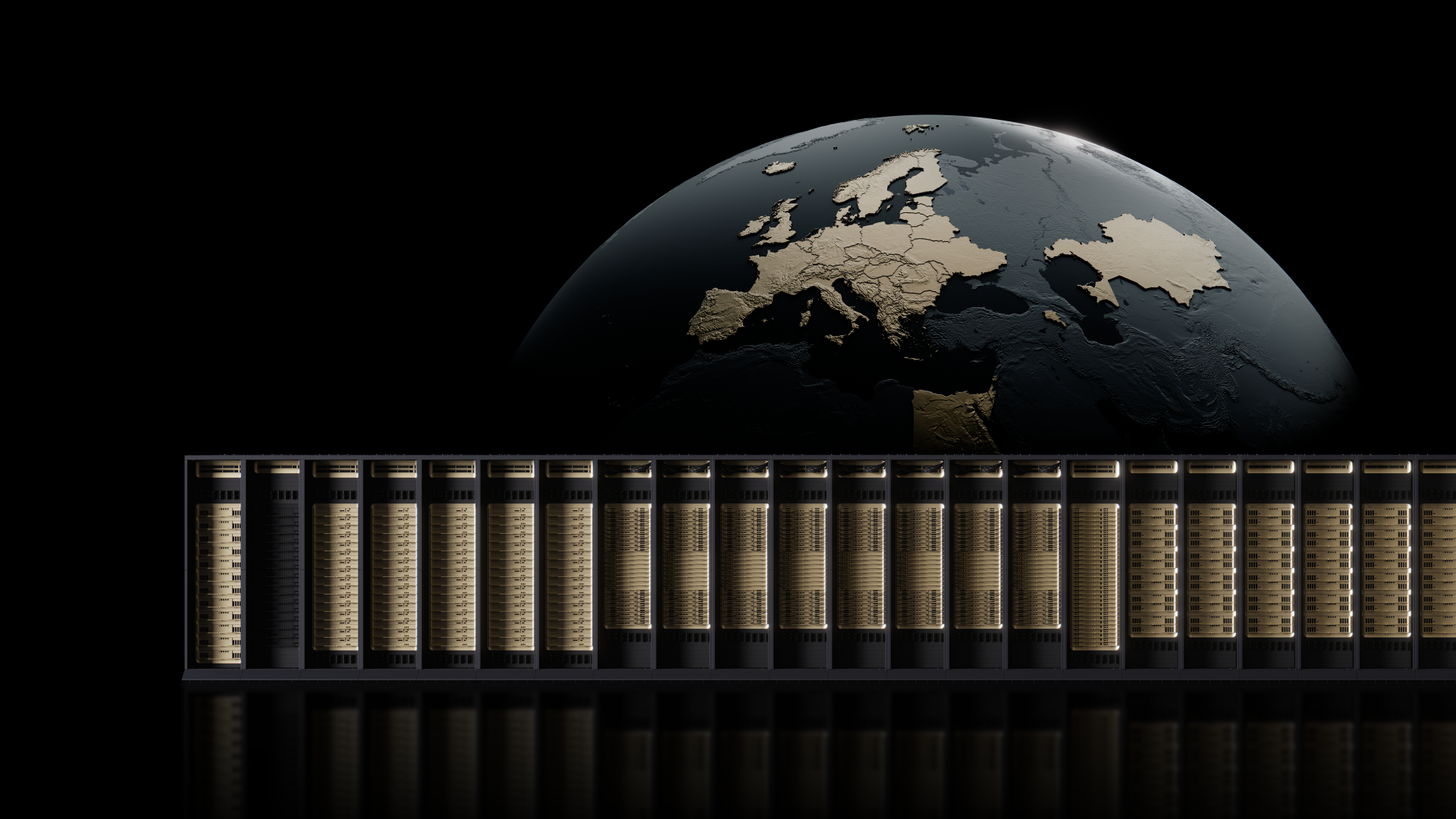
AI is a five-layer cake, Huang explained. Energy powers advanced computers that are part of an AI factory, which generates tokens and digital intelligence from the models that run on it, which are then integrated into every application.
“Long before the AI models emerge, the infrastructure has to exist,” he said, highlighting how, similarly, the internet first needed networking, and electricity first required the grid. “To be part of this AI economy, you don’t want to just be consuming the AI; you want to be producing the AI,” Huang said. “We could do all of that here in Europe, and in fact, we’ve already started.”
The AI Factory Gets a New Form Factor
Huang framed NVIDIA’s full-stack AI factory — spanning hardware, system software, CUDA-X libraries and models — as a broad platform for building and operating AI infrastructure.
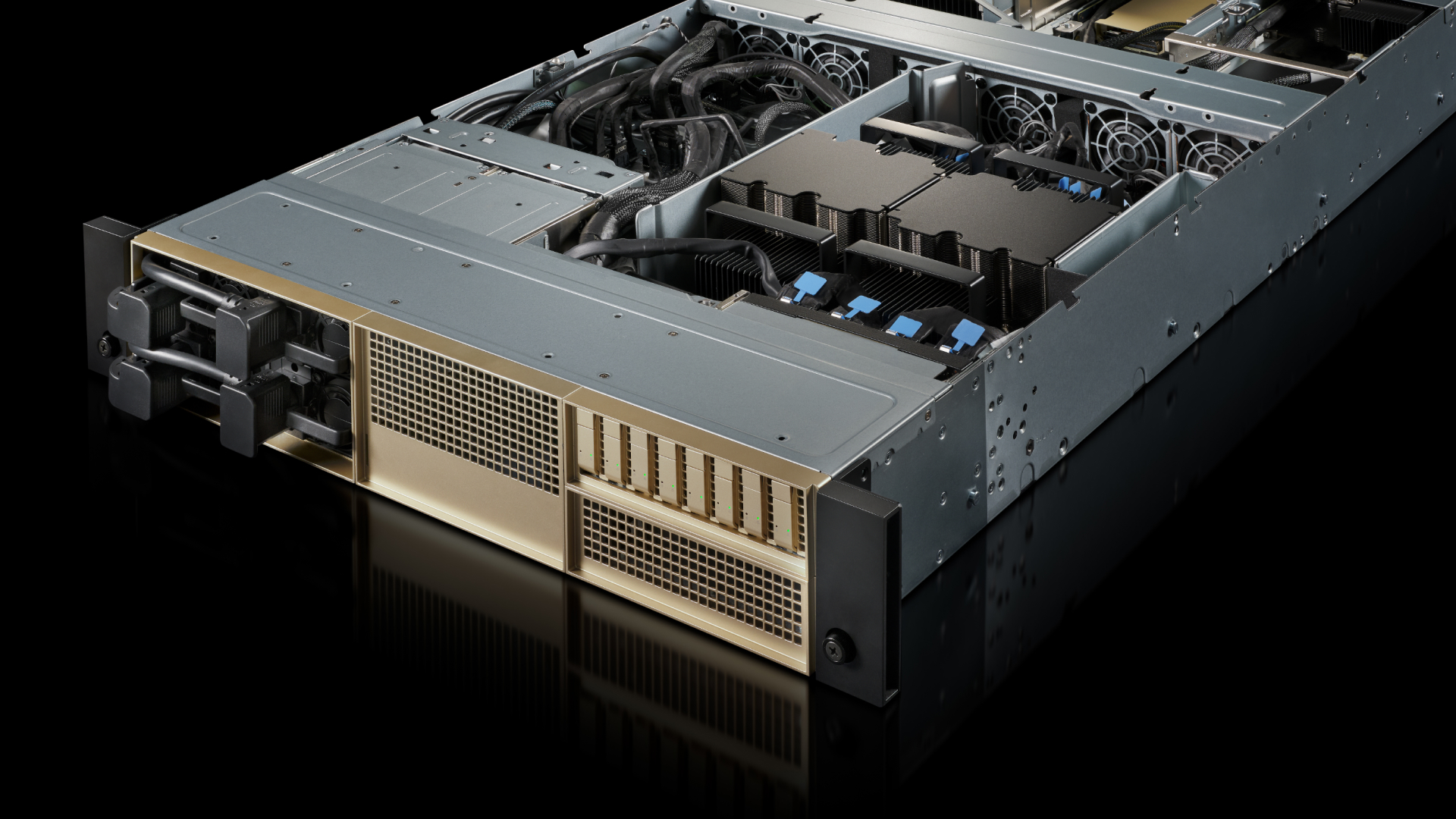
“This now represents the breadth of technology necessary to create the AI factory,” Huang said. “This is what NVIDIA builds today, and this is the foundation by which we can enable Europe to be part of the AI ecosystem, the AI economy.” He said Vera Rubin, in full production, extends NVIDIA’s computing platform beyond models and large language models to process the entire AI agent. He also showed several of NVIDIA’s latest rack-scale hardware offerings.
Next, Huang announced NVIDIA DSX POD, a reference design for complete NVIDIA Vera Rubin AI factories built by partners inside modular containers, integrated and validated before delivery. With DSX POD, onsite deployment can shrink from six months to just 14 days once site utilities are ready.
“This is a complete transformation of the world supply chain,” Huang said. “This will change the way that people install and build data centers, and hopefully, as a result, velocity goes up.”
The NVIDIA DSX AI Factory Platform enables companies to reduce water consumption for cooling by up to 100% and generate the same AI output with up to 30% less power.
Agents Are the New Computing Platform — and Safety Is an Engineering Problem
Huang said agents think, reason, iterate and use tools, driving token consumption as they become more useful.
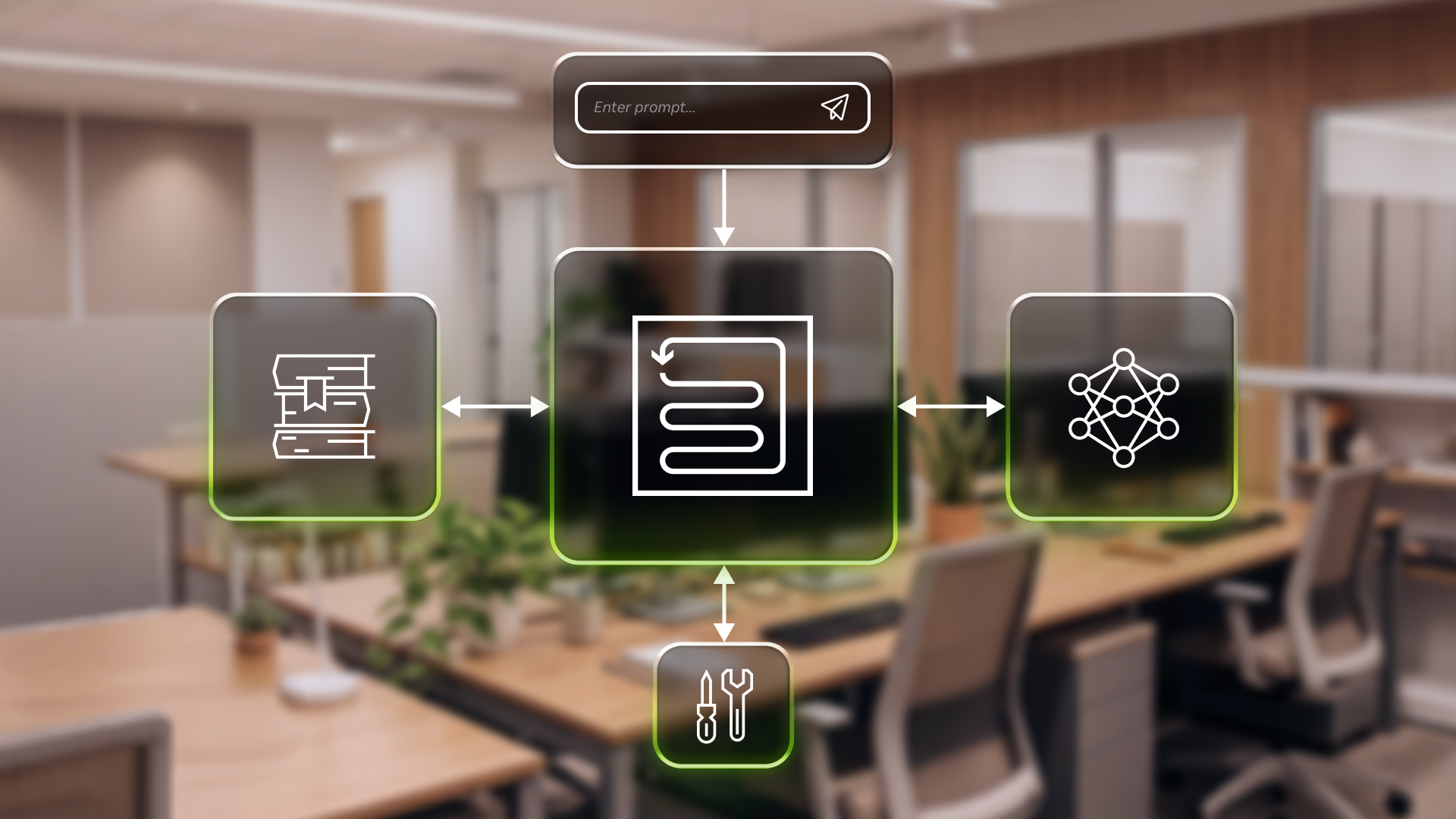
He described an agent as comprising five elements: a model, a harness that orchestrates its work and memory, a sandbox that isolates the harness, knowledge and tools. In that framing, an agent is more than a model answering questions; it can draw on knowledge and act through tools. “The most important thing is to make sure the agent is secure,” Huang said. The autonomous agent can access files, resources, networks and tools, so its privileges should be minimal and it should be monitored.
NVIDIA’s answer is the new NVIDIA OpenShell Reference Architecture for Safe AI Agents, a full-stack design built on NVIDIA OpenShell — an open source, policy-controlled runtime with kernel-level sandboxing that sits between an agent and the systems it can affect. Huang said that means privileges, policy enforcement and monitoring must adapt dynamically. “Every single time an agent is launched, the privileges are different,” Huang said.