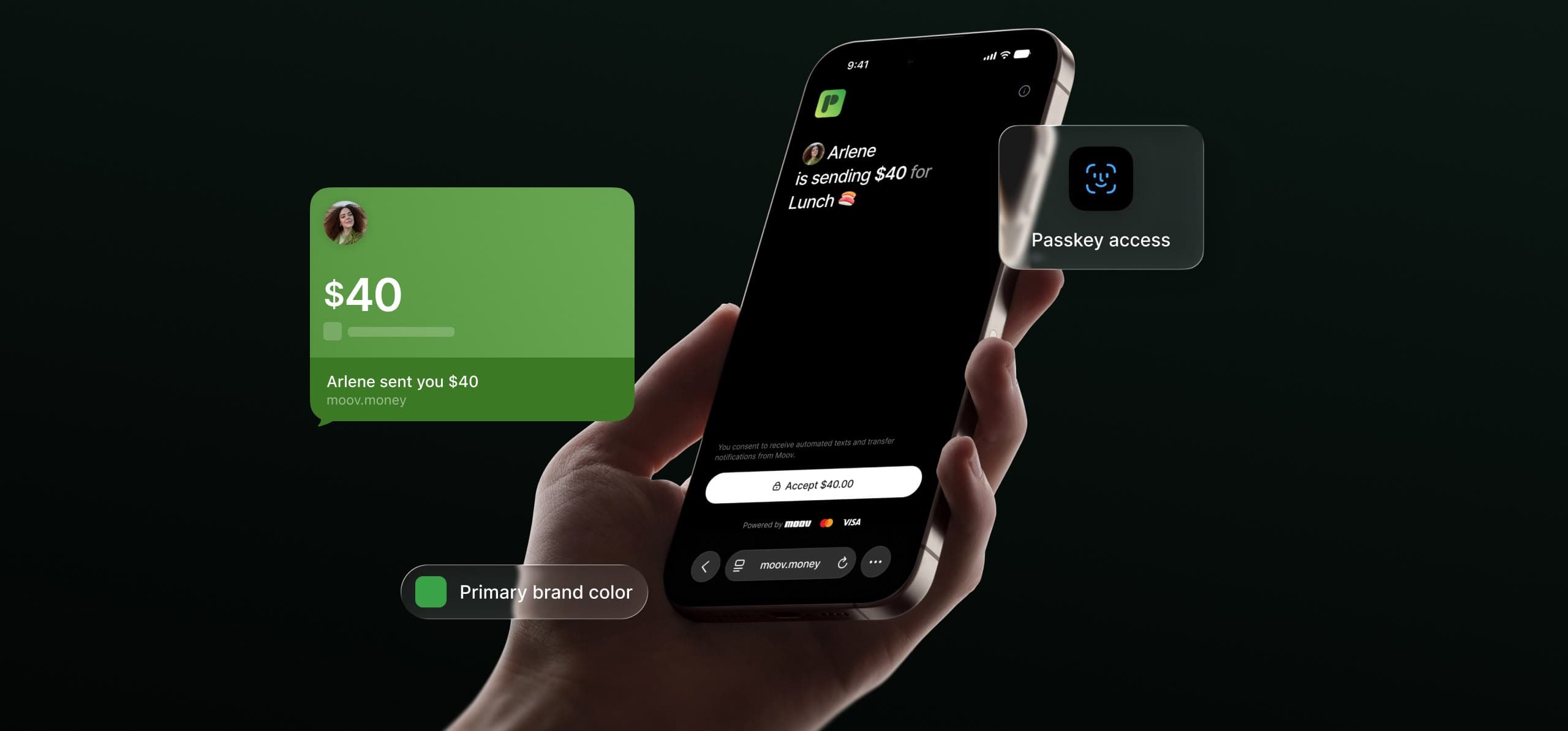
We recently launched Moov Money. Then two people I respect looked at it and saw two different things.
Chris Rigoni saw a reach story. Ron Shevlin saw a deposit acquisition story.
Then Chris went a step further and outlined three products banks and credit unions could build on the infrastructure.
One of the most exciting parts of being a founder is seeing people you admire take something you’ve built and find opportunities you hadn’t even talked about yet. That’s the fun part of putting something new into the world.
And it gets at something we’ve believed at Moov since the beginning: We don’t need another disconnected payment product. We need to make the ones we have work together.
P2P has been playing defense for too long
For years, banks and credit unions have treated peer-to-peer (P2P) payments as a feature they need to offer because customers expect it. It’s about convenience, engagement, and keeping people inside the banking app.
There’s nothing wrong with that. But it’s a pretty limited way to think about what P2P can do.
What if we stopped thinking about P2P primarily as a way for customers to send money and started thinking about it as a way for them to get paid?
That’s where the opportunity gets much bigger.
Getting paid is different from getting paid back
Most people use P2P to split dinner, pay someone back for tickets, or send their kid $20. It’s convenient. But it’s probably not changing where they bank.
Now think about the pet sitter who gets paid five times over the weekend. The counselor who sees six clients a day. The freelance designer juggling three projects.
For them, P2P isn’t about paying someone back. It’s how they get paid.
Ron Shevlin calls these people bizumers. They’re part consumer, part business owner. According to MBO Partners, nearly 75 million Americans earned income independently in 2026, from occasional side gigs to full-time businesses. And research from Cornerstone Advisors found that among gig workers and side hustlers who accepted digital payments, 77% accepted PayPal, 47% Cash App, 29% Venmo, and 26% Zelle.
Ron argues that P2P could become a deposit acquisition strategy for banks and credit unions. He’s right. But I think deposits are only the beginning.
Say a freelancer makes $2,000 a month and gets paid through a third-party app. Some of that money moves to their checking account. Some stays in the app. Some gets spent from there.
Their bank sees a checking account. The payment app sees a growing business.
And that payment app is in a better position to offer the next thing the freelancer needs.
That’s a problem for financial institutions.
Reach is what makes the rest possible
Chris looked at Moov Money from another angle in his first article: who gets left out when P2P only works between people on the same network?
It’s a bigger question than it might seem.
According to the Federal Reserve’s 2025 research, 6% of U.S. adults don’t have a bank account. That number jumps to 13% among Black adults and 12% among Hispanic adults.
These aren’t small populations. And they shouldn’t be an afterthought when we’re building financial products.
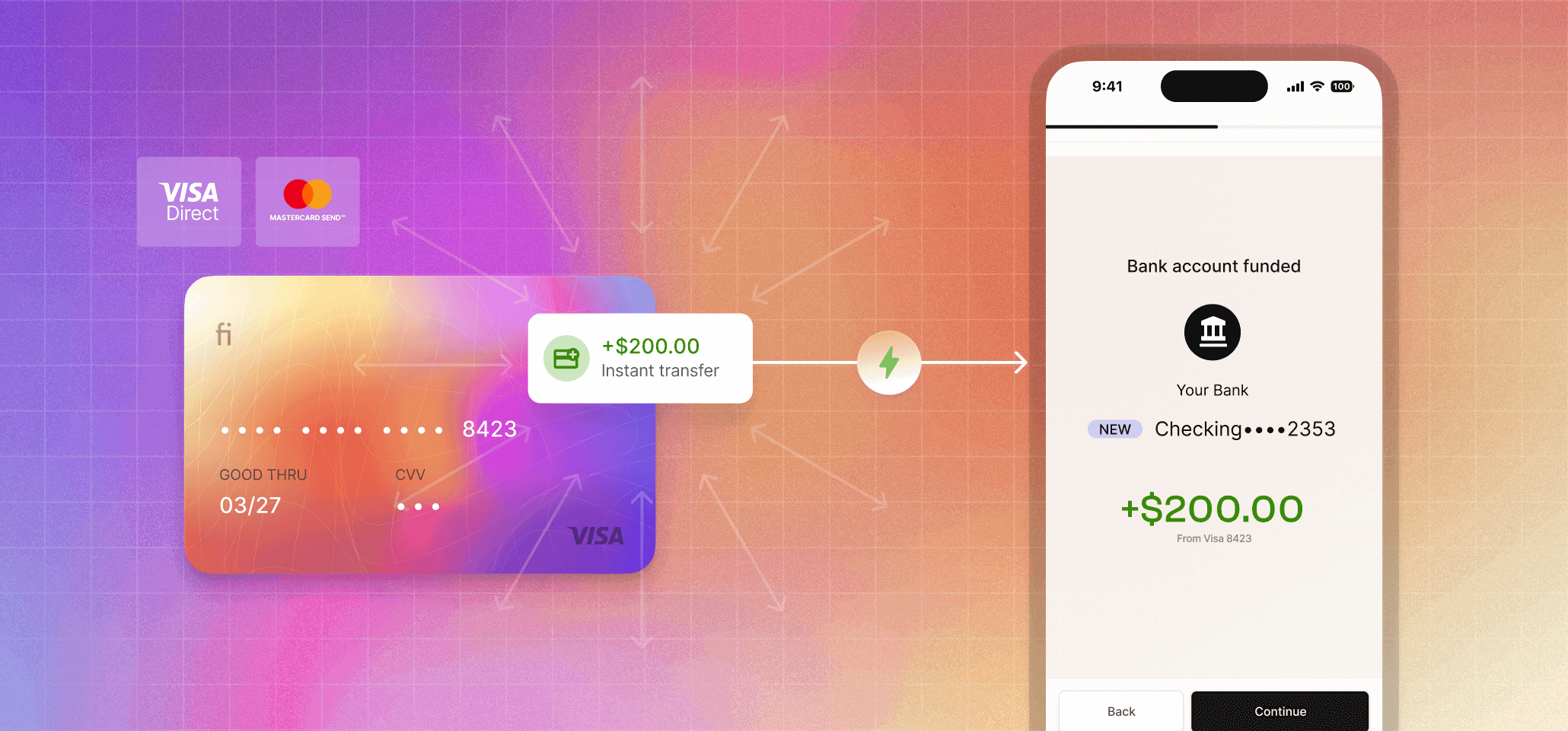
That’s part of why we built Moov Money around the debit cards people already carry, including eligible prepaid cards. We wanted to remove the requirement that both people use the same app or belong to the same P2P network.
That doesn’t mean every prepaid card can receive a payment. The card program has to support push-to-card payments through the networks. But it opens up possibilities that account-based P2P networks can’t always offer.
For someone splitting dinner, that’s convenient. For someone who relies on a prepaid card to receive income, it could mean access to a payment option they didn’t have before.
And for someone collecting payments from customers all day, reach becomes even more important. You can’t ask every customer to download an app or join a network just to pay you.
Reach matters because getting paid shouldn’t depend on which financial products someone has access to.
But reach is phase one.
The customer doesn’t know when they became a business
Chris’ latest article lays out three products financial institutions could build on this infrastructure:
- Instant account funding: Make it easier to fund a new account.
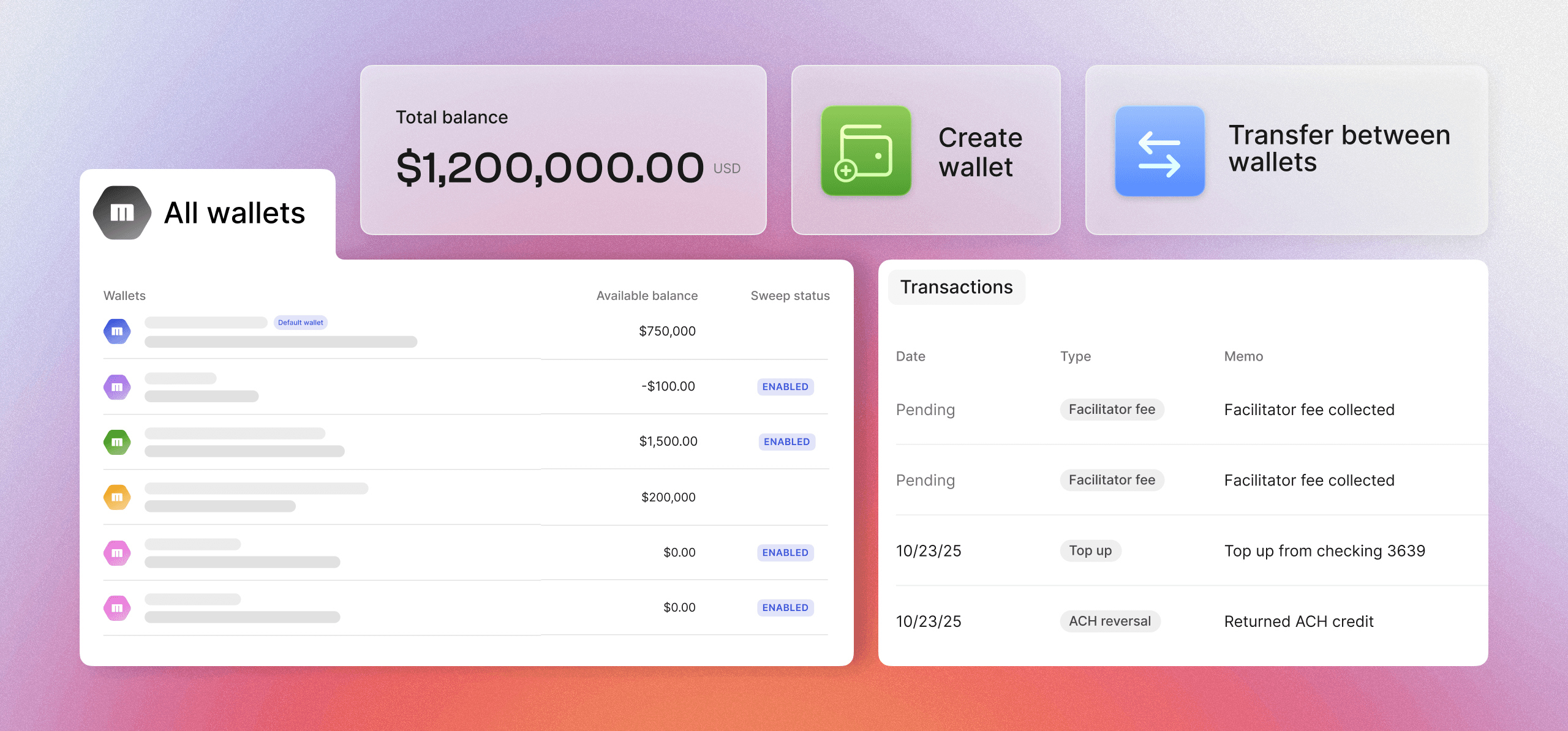
- Marketplace disbursements: Give platforms a way to pay sellers and other recipients.
- Payroll and gig payouts: Get earnings into workers’ hands faster.
These are good ideas. And they point to something bigger.
Think about someone who starts watching dogs for neighbors on weekends.
At first, it’s $50 here and $75 there. A few months later, they’re making $2,000 a month. Now they need to send invoices, accept cards, and keep track of payments.
They’re running a business, whether they call it that or not.
But their bank still sees a consumer checking account.
We’ve built separate products for consumers, small businesses, and larger businesses. Separate tools for accepting payments, moving money, and managing balances.
Some of that separation makes sense. Different customers have different needs, risks, and regulatory requirements.
But the customer shouldn’t have to figure out our infrastructure just to get paid. And a customer shouldn’t have to outgrow their bank just because their side hustle becomes a business.
One customer. Changing needs.
Their financial relationship should grow with them.
We built Moov this way on purpose
This is why we’ve always talked about Moov as one platform to accept, store, send, and spend money.
Accepting a card, sending a payout, managing a balance, and reconciling a payment are connected problems. But the industry has spent decades treating them as separate products.
That creates complexity for the people building financial experiences, and ultimately for the people using them.
We built Moov from the network layer up because we wanted to remove that complexity.
And it’s why I think the conversation about P2P needs to change.
Banks and credit unions have spent years asking how to keep customers inside their banking apps.
They should be asking why their customers need to leave in the first place.
The pet sitter doesn’t want to manage four payment providers. They want to get paid.
Today that’s P2P. Tomorrow it’s tap to pay. Next month it’s invoicing. Eventually they might need a product catalog or more sophisticated ways to manage their business.
Those experiences should be connected.
And the financial institution that already has the relationship should be able to offer them.
Measure the relationship, not just the transaction
If I were running a bank or credit union, I’d start asking three questions about P2P:
- Who’s getting paid? Not just how many people are sending money, but how many are receiving income through your institution.
- What happens after the deposit? Are customers using your financial institution for more of their financial lives, or going somewhere else?
- Can your customers grow with you? When someone starts accepting cards, sending invoices, or running a business, can you support them?
That’s a different way to measure success.
Of course, infrastructure alone doesn’t solve this. Chris makes that point in his latest piece. Banks and credit unions still have to build the right experiences, get them in front of customers, and give people a reason to use them.
And we have to execute on our side.
But the shift away from cash and checks is happening. Mike Kresse at Mastercard calls it the secular shift in payments, and we see it every day.
Home service workers are accepting contactless payments. Counselors are sending payment links. People who never thought of themselves as business owners are using tools that used to be reserved for merchants.
Financial institutions should be part of that.
P2P can be the beginning of something bigger
Ron sees a deposit acquisition opportunity. Chris sees broader reach and new products that could be built on top of it.
I see a chance to connect those things.
P2P doesn’t have to end with splitting dinner or paying someone back. It can be how someone gets paid for the first time. How they start earning money on the side. How they begin building a business.
And it can be the beginning of a much bigger relationship with their bank or credit union.
We’ve spent years building separate financial products for consumers and businesses. But people don’t live their financial lives in neat categories.
That’s the opportunity we’re missing when we treat P2P as just another payment feature.
The institutions that win over the next decade won’t be the ones with the most payment features. They’ll be the ones that can grow with their customers as those customers’ financial lives evolve.
So take a look at your P2P strategy. Not your transaction volume. Not your monthly active users.
Ask a simpler question:
If one of your customers starts getting paid tomorrow, are you positioned to help them grow, or are you giving them a reason to leave?
That’s the opportunity in front of us. And it’s one worth building for.