Black Friday and Cyber Monday (BFCM) are no longer just retail events. For hotels, they have become some of the biggest opportunities of the year to drive direct bookings, fill need periods, and turn high-intent travelers into long-term guests.
And the opportunity does not stop on Cyber Monday.
Travel Tuesday has become another important moment for travel shoppers who may have missed the first wave of offers or are still deciding where to spend their next vacation.
But there is a catch.
More demand can create more work for your team. More emails can mean more calls. More calls can mean longer hold times. And a promotion that looks great on paper can quickly become less profitable if you have to slash rates to make it work.
The hotels that win BFCM are not necessarily the ones offering the biggest discount. They are the ones that make it easy for the right guest to book, across the right channel, at the right value.
In 2025, Revinate customers generated more than $72.2 million in BFCM revenue from marketing campaigns sent between November 28th and December 2nd. On the voice side, more than 307,000 calls came in across Black Friday through Travel Tuesday, resulting in more than 12,600 bookings worth $34.6 million.
That is a lot of demand to capture.
So, how do you make sure your hotel is ready for it?
1. Protect your voice channel before the phones start ringing
There is a common BFCM assumption that more email means more bookings through the booking engine.
That is true, but it is only part of the story.
When you send a high-performing promotion to thousands of guests, some will click through and book online. Others will pick up the phone.
They may have questions about room types. They may want to compare rates. They may be traveling with kids and need to understand your room configuration. Or they may simply prefer talking to a real person before spending hundreds or thousands of dollars on a stay.
That makes your voice channel an important part of your BFCM strategy. That’s why we made the 2026 BFCM hub and toolkit for resources designed to help your team prepare for the holiday booking season.
In 2025, Cyber Monday generated more than 80,000 calls and over 3,500 bookings, making it the busiest voice day of the BFCM period. Travel Tuesday followed closely behind with more than 72,000 calls and nearly 3,000 bookings.
If your reservation team is not prepared for that volume, the impact can reach far beyond the reservations office. Calls can spill over to the front desk, where staff are already checking guests in, answering on-property questions, and managing the unexpected.
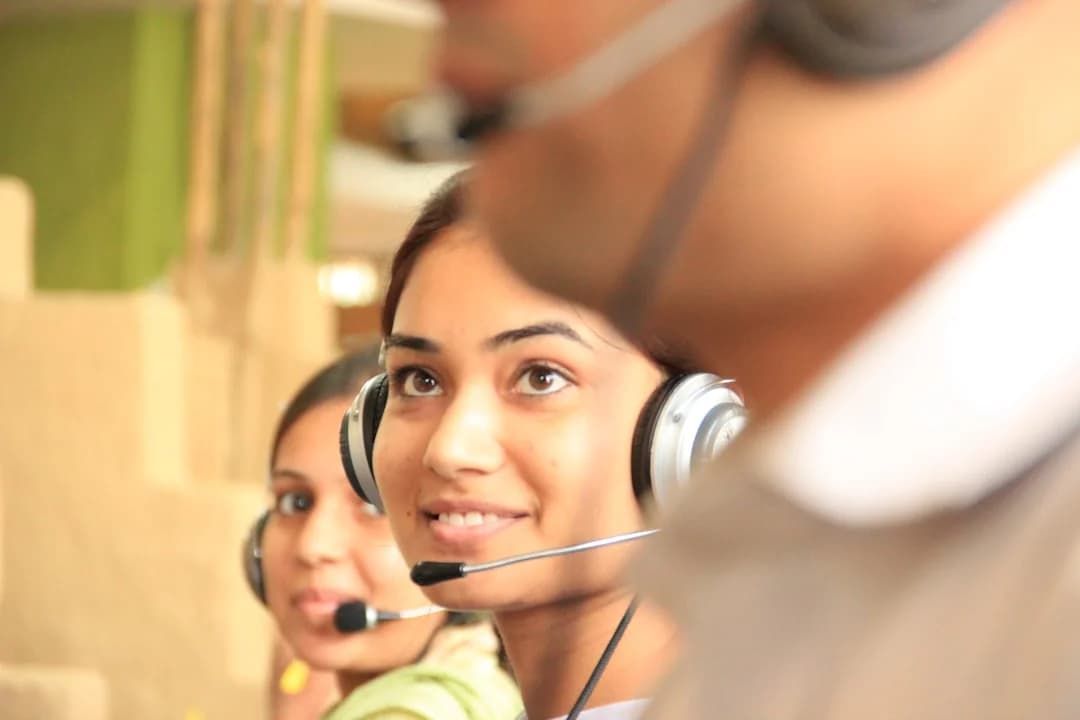
But hoteliers that use Revinate’s RezForce have live reservation agents who handle overflow and after-hours calls, so your team does not have to choose between answering the phone and taking care of the guests standing in front of them. Agents are available 24/7 and use Revinate Reservation Sales to capture lead information, create bookings, and turn inquiries into stays.
The important part for BFCM is to set this up before the rush.
Your marketing campaigns create the demand. Your reservation team handles the calls they can. RezForce catches the overflow so high-value booking opportunities do not end up in voicemail or on hold.
That is especially important when the guest calling may be ready to book a premium room, a longer stay, or a high-demand holiday date.
Your front desk should be focused on the guest who is standing there. Your reservation team should be focused on converting calls. And every qualified caller should have a path to a booking.
2. Clean your database and segment before you send
The fastest way to waste a great BFCM offer is to send it to everyone.
Your guests are not all looking for the same thing, and they certainly do not all need the same incentive.
Before launching your BFCM campaigns, take a close look at the health of your database. With Revinate Core’s Identity Resolution, guest data from across systems is automatically matched, merged, and unified into comprehensive guest profiles, reducing the need for your team to manually identify duplicates and merge records. This means less time spent cleaning up data and more time preparing campaigns that drive bookings.
A clean database gives your marketing team something much more valuable than a bigger send list. It gives you the ability to identify the guests most likely to book.
With Revinate Core, guest data from across systems can be unified into rich guest profiles, helping hotels build highly targeted audiences based on booking history, spend, loyalty, location, and other attributes. Revinate Marketing then turns those audiences into targeted campaigns.
For BFCM, start with segments such as:
- Past holiday guests: Guests who stayed with you around Thanksgiving, Christmas, New Year’s, or another relevant holiday period.
- High-intent, unbooked guests: People who have interacted with your marketing or booking experience but have not completed a reservation.
- Local staycationers: Guests who live close enough to drive to your property and may be interested in a short escape.
- High-value guests: Guests with a history of higher spend, longer stays, premium room types, or multiple visits.
- Engaged guests: Guests who have recently opened or clicked your email marketing campaigns.
The goal is simple: send a more relevant offer to a smaller, more valuable audience.
Revinate’s data shows that adding just three segment filters can generate 2.6x more revenue per recipient.
That is a much better strategy than sending the same “Black Friday Sale!” message to your entire database and hoping something sticks. You’ll also need a 2026 BFCM preparation checklist to make sure your marketing, revenue, and reservations teams are ready before demand spikes.
3. Use value-adds to protect ADR instead of leading with a deep discount
BFCM creates a natural temptation to discount.
After all, everyone else is doing it, right?
Not necessarily.
For revenue managers, the real question is not “How big can our discount be?” It is “How can we create enough perceived value to drive bookings without unnecessarily giving away rate?”
That distinction matters.
Instead of immediately dropping your best available rate, consider using value-adds and structured offers that protect your Average Daily Rate.
For example, a guest may perceive a complimentary room upgrade as more valuable than a 10% discount, even if the actual cost to the hotel is lower.
The best BFCM offer is not necessarily the one with the biggest number in the subject line. It is the one that gives guests a compelling reason to book while keeping your revenue strategy intact.
Your marketing team can create the demand. Your revenue team should decide how much value to put behind it.
4. Turn abandoned bookings and inquiries into automated follow-up
Not every BFCM shopper books on the first visit.
Some guests will click your email, visit your booking engine, check a few dates, look at room types, and leave.
That does not mean they are gone.
It means you have a second opportunity.
Cart abandonment campaigns can automatically follow up with guests who reach the booking process but do not complete their reservation. Instead of relying on someone from the marketing team to manually identify and re-engage those shoppers, an automated campaign can do it for you. Revinate supports automated hotel marketing campaigns such as cart abandonment, helping hotels re-engage guests at a critical point in the booking journey.
The same principle applies to leads created through voice and website inquiries.
A guest might call with questions but not book immediately. Another might submit an inquiry through your website and need time to make a decision.
Those interactions are valuable signals.
When lead information is captured, you can use it to continue the conversation rather than starting from scratch. Revinate’s platform can help hotels activate guest data across channels, including email and voice, so the relationship does not end simply because the first interaction did not result in a booking.
For BFCM, build these automations before the campaign starts:
- A cart abandonment email for guests who start but do not complete a booking.
- Follow-up messaging for qualified reservation leads.
- A reminder for high-intent guests before the promotional deadline.
- A post-booking upsell journey for guests who do convert.
- A re-engagement campaign for guests who clicked but never made it to the booking engine.
Automation is especially valuable during BFCM because your team will already have plenty to do. The goal is not to create more work. It is to make sure the work you have already done keeps generating revenue after the initial campaign send. And we’ve got more strategies like this in our BFCM hotel marketing playbook, so you can capitalize on every lead.
5. Treat Travel Tuesday as a pivot, not the end of the campaign
Once Cyber Monday is over, it can be tempting to declare BFCM finished.
Do not.
Travel Tuesday gives hotels another opportunity to reach shoppers who are still in-market.
Some guests will have ignored Black Friday because they were not ready to book. Others may have opened your Cyber Monday email but wanted to compare options. Some may have simply needed a little more time to make a decision.
Travel Tuesday gives you a reason to re-engage them.
The key is not to simply resend the same promotion.
Use the behavior and data you collected during the first part of the campaign to make the next message more relevant.
For example, you could target:
- Guests who clicked but did not book.
- Guests who abandoned a reservation.
- Guests who viewed a particular destination or offer.
- Local guests who engaged with a staycation promotion.
- Past guests who have not stayed in the past 12 months.
- New BFCM bookers who could be introduced to your loyalty or direct-booking benefits.
And remember, the value of BFCM does not end when the guest makes a reservation.
A guest who books during the holiday season is now a future repeat guest.
That means the post-booking experience matters just as much as the promotional email that won the booking.
Use pre-arrival communications to introduce the property, promote relevant upgrades, and make the stay feel personal. After the stay, continue the relationship with thoughtful post-stay messaging and future offers based on the guest’s preferences and behavior.
The goal is to turn a one-time holiday deal into a direct relationship.
BFCM success is about more than the offer
BFCM can be one of the most valuable revenue opportunities of the year for hotels. But success does not come from simply creating a bigger discount or sending more emails.
It comes from connecting the dots.
Your database tells you who to target.
Segmentation tells you what to offer.
Automation tells you when to engage.
Your revenue strategy determines how much value to give away.
And your voice channel makes sure guests who want a human conversation can still get one.
That is the real BFCM superpower: making your digital and human channels work together.
In 2025, Revinate customers sent more than 394 million emails in November, with BFCM campaign revenue reaching more than $72 million between November 28th and December 2nd. On the voice side, more than 307,000 calls generated over $34 million in booking value during the same five-day period.
The opportunity is there.
Now is the time to make sure your hotel is ready to capture it.
Get ready for BFCM 2026
BFCM success is about more than sending a great offer. It is about having the right audience, the right message, and the right support in place to capture demand across every channel.
From clean, targeted guest data and automated marketing to a protected voice channel, the hotels that prepare early will be in the best position to turn holiday demand into direct bookings and long-term guest relationships.
Want to put your BFCM strategy into action? Watch our webinar Own BFCM: the ultimate holiday preparation guide for more strategies to help your hotel prepare.
Because when BFCM arrives, you do not want to be scrambling to keep up. You want to be ready to own it.