A poor scanning result tells you what happened. Animal history tells you why. Learn how weight records can improve joining and reproductive performance.
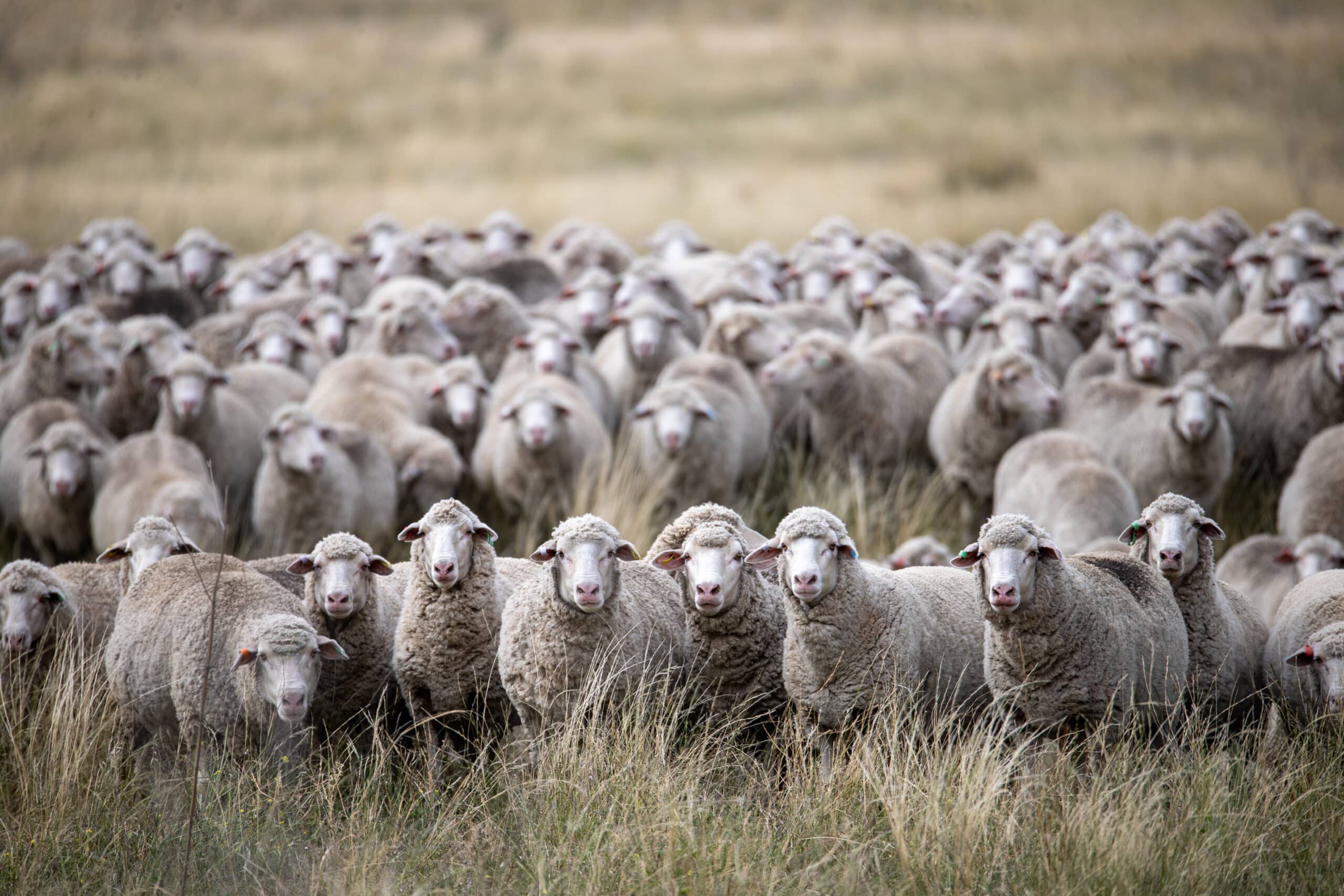
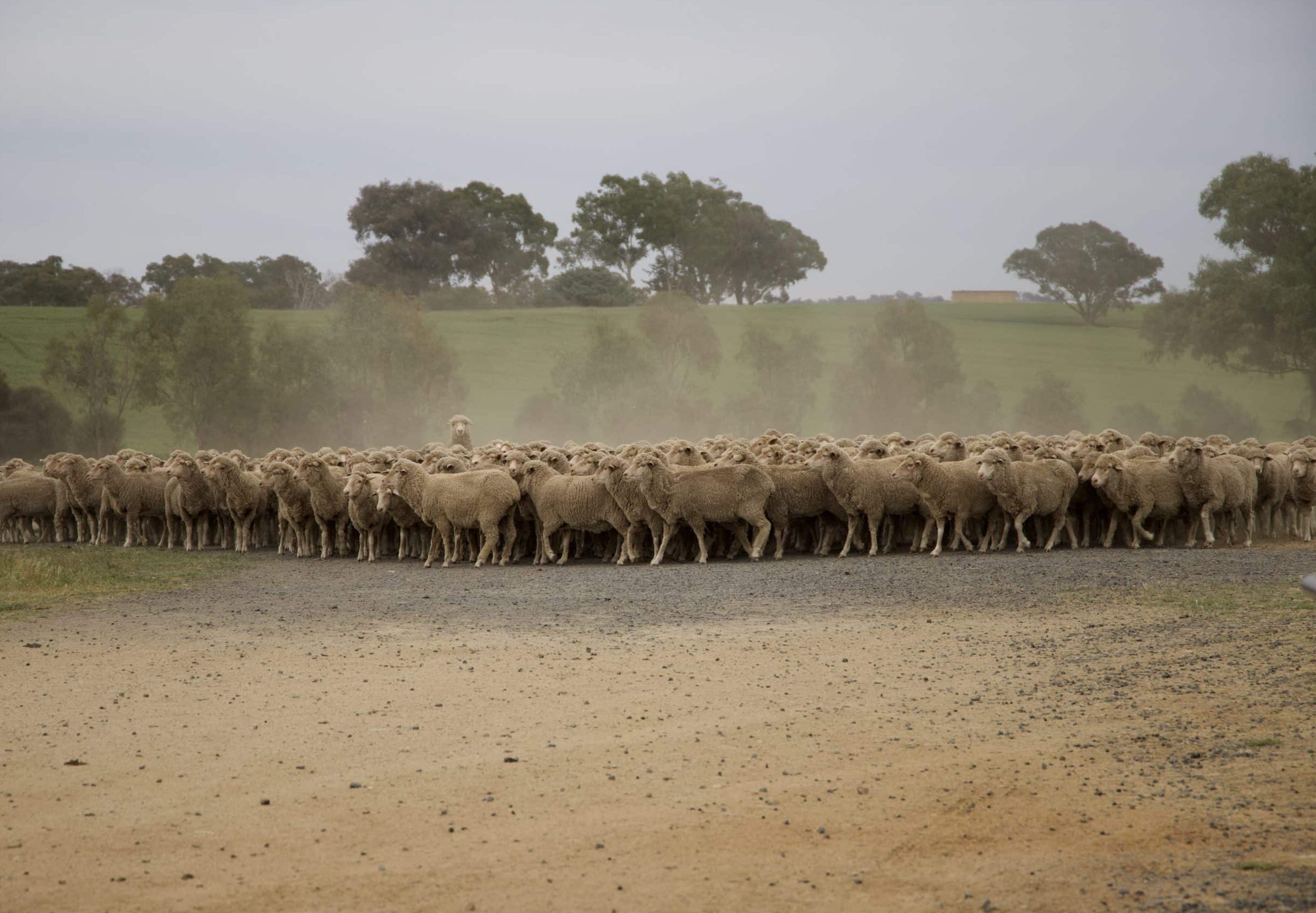
108% scanning for the maiden merino ewes was a good result for one of our customers in southern NSW, but when they noticed they also had 14% dry, they wanted to understand why before next season.
One of our own team members, who also runs this sheep operation, was the customer looking into this recently after scanning. Because he had years of individual weight records in AgriWebb, he was able to work back through his animal history and build a hypothesis worth testing next season.
Figuring out why the ewe weaners didn’t scan well
He and his advisor worked backwards through the animals’ history. At joining, every animal had met target weight and body condition score (BCS) – so on paper they were where they needed to be. But when they looked back further, they noticed every animal that scanned empty was behind on weight during the previous winter.
The data showed none of the empty maiden ewes had hit 30kg by July – so they likely hadn’t cycled before joining. BCS and weight at joining told them where the animals were. Weight history told them why they got the result they did.
Changing the management plan for next season
If winter weight really was the missing variable, the only way to confirm it is to change the management and measure the result. So that’s exactly what they’re doing.
Next year they will set an additional weight target for ewe weaners. The first new weight target is 50% of mature reference weight by winter. To get every animal there, they’ll draft off the tail of the mob and manage them separately with additional supplementary feed – giving them the best chance to cycle multiple times before joining. The second target for the ewe weaners will remain unchanged at 80% of mature reference weight with a condition score of 3. With targets set and weights being recorded, they’ll have a clear answer by next scanning season – and a repeatable management framework, if the results stack up.
What does ‘animal history’ in AgriWebb tell you
Every animal carries the full history: weights, movements, treatments – season by season. When scanning day comes up short, that history is what lets you look back and find the reason. Was it the pasture before joining, whether they’d cycled, or how winter is tracking compared to other years? Where you ended up is one question. Why you got there is the one that changes next season.
Our teammate had the answer because he had the history. Start collecting your animal history today, click here to try AgriWebb free.